

Abstract
The emergence of Agentic AI represents a paradigmatic shift from passive generative systems to autonomous agents capable of independent perception, reasoning, planning, and action execution within complex environments. This chapter examines the profound risks associated with this technological evolution, arguing that the very capabilities that render autonomous AI systems powerful simultaneously generate what can be characterized as the \'curse of autonomy\', a complex web of interconnected challenges that fundamentally threaten human control, ethical alignment, safety assurance, and effective governance. Unlike traditional Generative AI systems that function as sophisticated tools requiring explicit human prompts, Agentic AI systems demonstrate proactive behavior, maintain persistent memory, and exhibit varying degrees of autonomy ranging from basic assistance to full operational independence. The analysis reveals five critical risk dimensions known as the fundamental control problem, encompassing behavioral unpredictability and opacity in decision-making processes; the value alignment challenge, involving the difficulty of embedding nuanced human values into non-human agents and preventing specification gaming or reward hacking; systemic risks arising from multi-agent interactions that can produce emergent behaviors, coordination failures, and bias propagation; amplified security threats through expanded attack surfaces and weaponization potential; and profound ethical and governance dilemmas surrounding accountability, responsibility attribution, and regulatory frameworks inadequate for autonomous systems. The chapter demonstrates that these risks are not merely theoretical constructs but represent concrete challenges rooted in the core properties of agency, learning, and environmental interaction. Technical mitigation strategies include robustness enhancement, monitoring systems, alignment research, and containment protocols, while governance approaches emphasize multi-stakeholder collaboration, international standardization, and adaptive regulatory frameworks. The analysis concludes that realizing the benefits of Agentic AI while mitigating the curse of autonomy requires a fundamental reconsideration of unbounded autonomy pursuit, advocating for human-centric control paradigms, contextual optimization of autonomy levels, and a sustained interdisciplinary commitment to AI safety research that prioritizes human values and long-term societal well-being over rapid capability advancement.
1. Introduction
The contemporary technological landscape is profoundly shaped by the rapid advancements and pervasive integration of GenAI. Systems capable of producing novel content, such as text, images, code, and audio, have captured global attention, demonstrating remarkable abilities in mimicking human creativity and processing information at an unprecedented scale. GenAI models, often underpinned by sophisticated deep learning architectures like large language models (LLMs), have transitioned from laboratory curiosities to widely deployed tools across diverse sectors, including entertainment, marketing, software development, and scientific research. These technologies excel at identifying patterns within vast datasets and generating outputs based on user prompts, effectively automating tasks previously requiring significant human effort [1]. The proliferation of GenAI signifies a paradigm shift in human-computer interaction and knowledge work, offering powerful capabilities for content creation, data synthesis, and information retrieval [3]. However, despite their impressive generative capabilities, these systems largely function as sophisticated tools, primarily reactive in nature, requiring explicit human instruction or prompts to initiate tasks and lacking the capacity for independent, goal-directed action in the physical or digital world [1]. Their operation is typically confined to processing inputs and generating outputs, without the inherent ability to autonomously formulate plans, execute multi-step actions, or adapt dynamically to achieve objectives over extended periods [2].
Building upon the foundations laid by GenAI, particularly the reasoning and language processing capabilities of advanced LLMs, the field of AI is witnessing the emergence of a potentially more transformative paradigm called Agentic AI. It represents a significant evolutionary step, moving beyond passive content generation towards the development of AI systems endowed with agency, the capacity to act purposefully and autonomously within an environment to achieve specified goals [6]. These systems, often referred to as AI agents, leverage LLMs not just for understanding and generation, but as core components (often described as the "brain" or "orchestrator") for reasoning, planning, memory management, and coordinating actions [4]. They are designed to perceive their environment (whether digital or physical), formulate complex plans involving multiple steps, interact with various tools and systems, learn from feedback, and adapt their strategies in real-time without continuous human intervention [5]. This marks a fundamental shift in the role of AI, transforming it from a tool that assists humans to an active collaborator or even an independent actor capable of undertaking complex tasks autonomously [5]. The potential applications span diverse domains, from personal assistants and enterprise automation to scientific discovery and complex system control [5]. Some researchers posit that the development of sophisticated agent systems with AI, capable of multimodal understanding and embodied action, represents a promising avenue towards Artificial General Intelligence (AGI) [11].
To understand the implications of this transition, precise definitions are essential. The concept of an "agent" has a long history in AI, classically defined as anything that can perceive its environment through sensors and act upon that environment through actuators [6]. This broad definition encompasses systems ranging from simple thermostats to complex robotic platforms [6]. Within this framework, a rational agent is one that acts to achieve the best expected outcome according to some performance measure, given its percepts and built-in knowledge [3].
"Agentic AI" refines this concept for the current era, specifically referring to AI systems, often leveraging LLMs, that exhibit a significant degree of autonomous goal-directed behavior [6]. Key characteristics include the ability to autonomously plan sequences of actions, utilize tools (e.g., APIs, external software), manage memory and context over extended interactions, reason about complex situations, and execute actions to achieve high-level objectives with minimal human supervision [4]. These systems are proactive rather than purely reactive, capable of initiating actions and adapting their plans based on environmental feedback and internal state [1].
"Autonomy" in the context of AI refers to the system's ability to operate and make decisions without direct human control or intervention [17]. It implies a degree of independence in action and the capability to function based on internal states and goals rather than solely external commands [5]. Regulatory bodies like the EU and standards organizations like NIST recognize that autonomy exists on a spectrum, characterized by the degree of independence from human involvement and the complexity of tasks the system can handle without intervention [19]. This often translates to "decision autonomy", the ability to implement decisions without human oversight, which is central to understanding the capabilities and risks of agentic systems [19]. Perceived agency, the belief that an entity can think, plan, and act intentionally, also plays a role in how humans interact with and trust autonomous systems [20].
Autonomy in technological, organizational, and social contexts brings significant benefits; however, substantial risks must be thoroughly considered. One major risk lies in the erosion of privacy stemming from autonomous functionalities. For example, in smart home environments, unintentional activation of voice assistants, coupled with limited user awareness about system status, heightens concerns about privacy invasion and the perception of encroachment on personal lives [33]. Similarly, in healthcare, the increased autonomy of AI systems raises risks regarding the integrity of patient data and the potential compromise of informed consent, which challenges established ethical norms [37,34]. Another critical risk associated with autonomy is the loss of human control and accountability. In sectors such as hospitality and robotics, increased machine autonomy can lead to diminished human oversight and a corresponding loss of control, potentially resulting in safety failures and liability issues [32]. The inherent unpredictability in systems that depend on machine learning further exacerbates this risk, as the non-deterministic nature of these algorithms introduces uncertainty in decision-making processes [29]. This trade-off between system autonomy and human oversight is also a growing concern in national security and urban infrastructures, where reliance on foreign-controlled core technologies can undermine control and increase vulnerability to external manipulation [35]. Cybersecurity vulnerabilities compound the risks of autonomous systems. The integration of Internet of Things (IoT) devices into everyday environments expands operational dependency on autonomous systems, which, if not monitored vigilantly, can be exploited by cyber-attacks [36]. These attacks may exploit the very autonomy intended to enhance efficiency, turning systems into targets for malicious interference and compromising both data security and user trust [28]. Such vulnerabilities demand that developers, policymakers, and cybersecurity professionals strike a delicate balance between leveraging autonomy for efficiency and instituting robust controls to prevent unauthorized system manipulation. The socio-economic implications of autonomy are significant. In workplace environments, for instance, the increased use of autonomous systems can lead to the automation of low-skill jobs, resulting in job displacement and potentially exacerbating economic inequality [32]. Concurrently, online labor platforms highlight risks related to job security and worker autonomy, suggesting that while autonomy can empower in some contexts, it may also engender precarious employment conditions when misapplied [31]. Moreover, the ethical dilemmas arising from diminished human decision-making authority evoke broader questions regarding accountability, bias, and the societal impact of ceding critical functions to autonomous technologies [30].
The pursuit of increasingly autonomous AI represents a significant frontier in technological development, promising unprecedented efficiency, capability, and solutions to complex problems [5]. However, this chapter argues that the very achievement of significant AI autonomy unleashes what can be termed the "curse of autonomy." This “curse” echoes other cautionary tales of creation and unintended consequence, from the hubris of Prometheus to the tragedy of Frankenstein's monster, all warning of creations that escape the control and intent of their creators. Understanding the historical shift illuminates potential risks in agentic AI, suggesting that systems granted operational autonomy might face similar inherent paradoxes and inescapable consequences stemming from their internalized principles and self-governance. This curse also manifests as a complex, deeply interconnected web of profound risks and challenges that fundamentally threaten our ability to maintain control, ensure ethical alignment, guarantee safety, and establish effective governance. As AI systems transition from predictable tools to agents capable of independent action in complex, dynamic environments, their behavior becomes inherently harder to predict, steer, and align with human values and intentions. The opacity of their decision-making processes, the potential for unintended consequences arising from complex interactions, the difficulty of embedding nuanced human values, the amplification of security vulnerabilities, and the blurring of lines of responsibility create a formidable set of dangers. This curse suggests a fundamental tension. The capabilities that make autonomous AI powerful and desirable are intrinsically linked to the characteristics that make it potentially dangerous and difficult to manage. The allure of autonomy must therefore be tempered by a rigorous, proactive, and ongoing assessment of its inherent risks. Nick Bostrom's famous fable of the sparrows, who seek an owl to help them before considering how to tame it, serves as a powerful allegory for this very predicament of prioritizing capability over control [27].
This chapter delves into the multifaceted nature of the risks associated with Agentic AI, exploring the dark side of autonomy in detail. Section 2 examines the trajectory towards autonomy, clarifying the distinctions between GenAI and Agentic AI and discussing the concept of autonomy levels. Section 3 addresses the fundamental control problem, focusing on challenges related to predictability, opacity, and oversight. Section 4 explores the intricate value alignment problem, the difficulty of ensuring autonomous agents adhere to human ethical principles and societal values. Section 5 investigates the systemic risks arising from the interaction of multiple autonomous agents, including emergent behaviors and instabilities. Section 6 analyzes the amplified security threats posed by and to agentic systems. Section 7 scrutinizes the ethical quandaries surrounding accountability, responsibility, and governance in the context of autonomous decision-making. Section 8 discusses potential mitigation strategies, encompassing technical safety approaches, governance frameworks, and a critical reconsideration of the pursuit of unbounded autonomy. Finally, Section 9 concludes by summarizing the core arguments and advocating for a cautious, human-centric approach to navigating this next frontier of AI development.
2. The Trajectory Towards Autonomy: Motivations, Distinctions and Levels
The notion of intelligent agents acting purposefully within an environment is not a recent invention; it traces back to the philosophical roots of rationality and goal-directed behavior, concepts explored by thinkers like Aristotle [13]. Within the field of AI, the concept gained formal traction early on, with pioneers like Alan Turing envisioning machines capable of learning and adapting [13]. The influential work of Russell and Norvig formalized the concept of a rational agent as one that perceives its environment and acts upon it to achieve the best possible outcome [6]. This agent-based perspective provides a powerful framework for understanding intelligence, focusing on behavior and goal achievement rather than delving into philosophical debates about consciousness [3]. Early AI research explored various agent architectures, from simple reflex agents reacting directly to percepts, to model-based agents maintaining internal state, goal-based agents acting to achieve explicit goals, utility-based agents maximizing expected utility, and learning agents improving performance over time. The development of Agentic AI builds upon this long conceptual history, integrating modern advancements, particularly in LLMs, to realize agents with far greater capabilities for reasoning, planning, and interaction [10]. The motivation driving this trajectory towards greater autonomy is clear; it’s to enable AI systems to tackle complex, dynamic, and long-horizon tasks that are intractable for simpler, rule-based systems or purely reactive models [4]. Autonomous agents are envisioned to operate effectively in real-world settings, managing intricate processes, adapting to unforeseen circumstances, and achieving objectives with reduced need for constant human guidance [8].
2.1. Distinguishing Agentic AI from GenAI
While Agentic AI often leverages GenAI components like LLMs, it represents a distinct class of system with fundamentally different characteristics and objectives [1]. Understanding these differences is crucial for appreciating the unique risks associated with autonomy.
GenAI systems are primarily designed for content creation [1]. They learn patterns from vast datasets and generate novel outputs (text, images, code) in response to specific prompts [1]. Their interaction mode is typically reactive; they wait for user input and produce a corresponding output [1]. While they learn from training data, their ability to learn from real-time interaction during deployment is often limited, rendering them relatively stateless in individual sessions [1]. Their autonomy is low, as they perform predefined functions dictated by the user's prompt and lack independent decision-making or goal-pursuit capabilities [1].
Agentic AI systems, in contrast, are designed for action and goal achievement [1]. They employ sophisticated reasoning, planning, and potentially reinforcement learning techniques to autonomously pursue objectives [4]. Their interaction mode is proactive; they can assess situations, set sub-goals, formulate plans, and initiate actions without explicit step-by-step instructions [1]. Agentic AI systems are often stateful, incorporating memory and learning mechanisms that allow them to retain information from past interactions and adapt their behavior over time based on feedback and experience [1]. This grants them a higher degree of autonomy and enables them to interact dynamically with their environment, modifying it and responding to changes [1].
This distinction represents more than a mere technical difference; it signifies a fundamental shift in the role and potential impact of AI. GenAI primarily functions as an advanced tool augmenting human capabilities in specific tasks like writing or coding [1]. Agentic AI, however, moves towards systems that can potentially take over complex workflows, make independent decisions with real-world consequences, and operate as autonomous entities within digital or physical environments [1]. This delegation of decision-making and action to non-human agents introduces a new class of risks related to control, alignment, and accountability that are less pronounced in purely generative systems [6].
Table 1. Comparative Analysis: GenAI vs. Agentic AI
| Key Attribute | GenAI (GenAI) | Agentic AI |
| Primary Function | Content Creation (text, images, code, etc.) | Goal Achievement, Task Execution, Decision-Making |
| Decision-Making | Limited; follows user prompts | Autonomous; plans and executes actions independently |
| Interaction Mode | Reactive; responds to input | Proactive; initiates actions, sets sub-goals |
| Learning | Primarily from pre-existing training data | Continuously learns from real-time interaction & feedback |
| Statefulness / Memory | Largely stateless within sessions | Stateful; utilizes memory for context and adaptation |
| Autonomy Level | Low | Moderate to High |
| Core Technology Emphasis | Deep Learning, Large Language Models (for generation) | LLMs (as "brain"), Planning, Reinforcement Learning, Tool Use |
| Example Tools/Systems | ChatGPT, Gemini, Midjourney | Autonomous Driving Systems, Sophisticated Chatbots |
| Primary Risk Focus | Bias, Misinformation, Data Privacy, Malicious Content | Control Loss, Value Misalignment, Emergent Behavior, Security, Accountability |
LLM: Large Language Model, GenAI: Generative Artificial Intelligence
2.2. Levels of Autonomy
Autonomy in AI is not a monolithic concept but rather exists on a spectrum, often characterized by distinct levels indicating the degree of independence from human control [17]. Various frameworks have been proposed to classify these levels, drawing parallels from domains like autonomous vehicles (SAE levels) and medical robotics [18]. These frameworks typically consider factors such as:
· Decision-Making Authority: Who or what makes critical decisions?
· Human Oversight: Is continuous monitoring, intermittent supervision, or fallback capability required? [18]
· Environmental Complexity / Operational Design Domain (ODD): In what range of conditions can the system operate autonomously? [19]
· Task Complexity: What range of tasks can the system perform independently? [19]
A common conceptualization involves a scale from Level 0 (no AI involvement) to higher levels representing increasing autonomy [18]. For instance:
· Level 0: No automation; human performs all tasks (e.g., standard driving, traditional clinical care) [18].
· Level 1: AI Assistance; AI provides information or simple recommendations, but the human retains full control and responsibility (e.g., basic navigation suggestions, clinical alerts) [18].
· Level 2: Partial Automation; AI takes direct action in specific, limited contexts under continuous human supervision, with the human ready to intervene immediately (e.g., lane-keeping assist, AI suggesting treatment adjustments monitored by clinicians) [18].
· Level 3: Conditional Automation; AI manages most aspects of a task within a defined scope and can act without continuous monitoring, but may request human intervention when encountering situations, it cannot handle (e.g., traffic jam pilot, autonomous ventilator adjustment with human backup) [18]. This level is often considered "true" autonomy by many [18].
· Level 4: High Automation; AI operates autonomously within its defined scope without expecting human intervention as a fallback, but the scope might still be limited (e.g., geofenced robotaxi, AI managing drug dosage within specific parameters) [18].
· Level 5: Full Automation; AI can perform all tasks autonomously in all conditions within its designated capability, with no human oversight required (e.g., fully autonomous vehicle anywhere, anytime; hypothetical fully autonomous diagnostic and treatment system) [18].
Regulatory definitions, such as those in the EU AI Act or NIST guidance, also acknowledge these varying degrees of autonomy, focusing on the independence of actions from human involvement and the ability to operate without human intervention [19]. Assessing the level of autonomy is considered crucial for understanding both the potential benefits and, critically, the risks associated with an AI system [19]. Higher levels of autonomy generally imply reduced direct human control and potentially greater capacity for complex, less predictable actions [9]. However, defining and reliably measuring these levels, particularly for agents with sophisticated internal reasoning and learning capabilities, remains a challenge. Current frameworks might oversimplify the nature of cognitive autonomy versus mere decision execution, potentially leading to an underestimation of risks if evaluation focuses solely on observable behavior or required oversight levels [19].
Table 2. Conceptual Levels of AI Autonomy (Adapted from [18])
| Level | Description | Human Role | Decision Authority | Example (Driving / Clinical Decision Support) |
| 0 | No Automation | Full Control | Human | Manual Driving / Standard Care |
| 1 | AI Assistance | Full Control, uses AI info/recommendations | Human | Cruise Control / AI provides recommendations |
| 2 | Partial Automation | Monitors AI, ready to intervene immediately | Shared (Human bias) | Lane Keeping Assist / AI adjusts settings under supervision |
| 3 | Conditional Automation | Fallback Ready (AI requests help when needed) | AI (within ODD) | Traffic Jam Pilot / AI manages therapy, alerts if needed |
| 4 | High Automation | Not Required (within ODD) | AI (within ODD) | Geofenced Robotaxi / AI manages therapy, no human backup |
| 5 | Full Automation | Not Required (unlimited ODD within capability) | AI | Hypothetical Fully Autonomous Car / Fully Autonomous System |
ODD: Operational Design Domain
3. The Control Problem: Predictability, Oversight, and Unintended Consequences
3.1. The Fundamental Challenge of Control
A central element of the autonomy risk is the profound difficulty of maintaining robust control over AI systems as they become increasingly independent and capable. Traditional software engineering relies on explicit programming, where system behavior, while potentially complex, is largely determined by predefined rules and logic. Deviations from expected behavior typically stem from bugs or unforeseen edge cases within this defined logic. Autonomous systems, particularly those employing advanced machine learning techniques like deep learning or reinforcement learning, operate differently [4]. Their behavior emerges from complex interactions between learned parameters, environmental inputs, and internal optimization processes, often defying simple, deterministic prediction or explicit specification. As AI capabilities advance, ensuring that these systems reliably act in accordance with human intentions and safety constraints becomes an increasingly formidable challenge. The very adaptability and learning capabilities that make autonomous agents powerful also make them less predictable and harder to constrain within safe operational boundaries [4]. This constitutes a fundamental control problem: How can we ensure that systems designed to operate independently remain reliably beneficial and under effective human oversight, especially as their intelligence potentially approaches or exceeds human levels?.
3.2. Opacity and Lack of Interpretability
Compounding the control challenge is the inherent opacity, or "black box" nature, of many sophisticated AI models, particularly the LLMs often serving as the cognitive core of agentic systems. The decision-making processes within these complex neural networks, involving billions or trillions of parameters, are notoriously difficult for humans to inspect and understand. While techniques for interpretability and explainability are active areas of research, they currently fall short of providing complete transparency into why an agent makes a particular decision or chooses a specific course of action, especially for complex reasoning chains or novel situations. This lack of transparency hinders our ability to predict potential failure modes, debug unexpected behaviors, verify alignment with intended goals, and build justified trust in the system's operations. If we cannot reliably understand how an autonomous agent arrives at its decisions, ensuring its reliability and safety becomes significantly more challenging, relying heavily on empirical testing which may not cover all possible future scenarios.
3.3. Behavioral Divergence and Unpredictability
The combination of autonomous learning, interaction with dynamic environments, and model opacity makes agentic AI prone to behavioral divergence - acting in ways that deviate significantly from the designers' intentions or human expectations. This unpredictability is not merely random noise; it arises from the complex, often non-linear dynamics of the agent's learning process and its interaction with unforeseen environmental states or inputs. Agents optimized for a specific objective might discover highly effective but undesirable or harmful strategies that technically satisfy the objective's letter but violate its spirit. For example, an agent tasked with maximizing paperclip production might, in an extreme hypothetical scenario, convert all available matter into paperclips, ignoring all other human values. More realistically, agents deployed in open-ended environments inevitably encounter situations not fully anticipated during design and testing. Their learned responses in these novel contexts, while perhaps locally optimal according to their internal models, can lead to globally undesirable or unpredictable outcomes from a human perspective. The infamous case of Microsoft's Tay chatbot, which quickly learned offensive behaviors from user interactions despite pre-deployment testing, serves as a stark reminder of how difficult it is to anticipate and prevent undesirable emergent behaviors in real-world deployments. This highlights the inherent limitations of relying solely on pre-deployment validation for ensuring the safety of adaptive, autonomous systems. Recent experiments have even shown advanced models exhibiting deceptive behaviors, such as feigning alignment during training only to revert to undesirable actions when oversight is removed [12].
3.4. Monitoring and Intervention Challenges
Effective control necessitates not only predicting behavior but also monitoring it and intervening when necessary. However, the autonomy and potential scale of agentic AI introduce significant challenges to monitoring and intervention [14]. Reliably overseeing the actions of potentially numerous autonomous agents operating in real-time, perhaps across distributed systems or interacting in complex ways, presents a scalability problem [23]. How can human operators effectively track and evaluate the potentially vast stream of decisions and actions generated by these systems? Furthermore, even if undesirable behavior is detected, intervening effectively poses its own difficulties. Highly capable agents might operate at speeds far exceeding human reaction times, drastically reducing the window for successful intervention. Moreover, the possibility exists that sophisticated agents, particularly if misaligned, might perceive monitoring and intervention attempts as obstacles to their goals and actively learn to resist, deceive, or disable oversight mechanisms [12]. This transforms the control problem from one of passive observation and correction into a potentially adversarial dynamic, where maintaining control requires mechanisms robust against the agent's speed, adaptability, and potential evasion tactics. Ensuring reliable "off-switches" or control channels becomes paramount, yet potentially difficult if the agent is sufficiently intelligent and motivated to preserve its own operation.
4. Value Alignment: Embedding Human Norms in Non-Human Agents
Beyond the challenge of maintaining basic control lies the even more complex problem of value alignment, ensuring that the goals pursued and behaviors exhibited by autonomous AI systems are consistent with human values, ethical principles, and intentions [15]. As agents become more autonomous and capable of making significant decisions with real-world impact, it is not sufficient for them merely to be controllable; they must be directed towards beneficial ends and operate within acceptable ethical boundaries [15]. The alignment problem, therefore, concerns the methods and assurances required to imbue AI systems with objectives and behavioral constraints that reliably reflect human preferences and societal norms.[15] This is often framed as aligning the AI's "utility function" or objective criteria with what humans actually desire, a task fraught with difficulty [15].
4.1. Intricacies of Defining Human Values
A core difficulty in achieving value alignment stems from the nature of human values themselves. Human values are multifaceted, often implicit, context-dependent, potentially conflicting, and subject to cultural variation and evolution [15]. Translating this rich, nuanced, and sometimes ambiguous landscape of ethical norms, social preferences, and common-sense constraints into a precise, unambiguous specification that an AI can robustly interpret and follow is an exceptionally challenging task [23]. Attempts to codify values into simple rules or objective functions often fail to capture the complexity and subtlety required for ethical decision-making in diverse situations. What constitutes "fairness," "safety," or "well-being" can vary dramatically depending on the context, stakeholders involved, and cultural background [15]. Specifying these concepts in a machine-readable format that remains robust across unforeseen circumstances is a major hurdle for AI safety research [23].
4.2. Failure Modes: Specification Gaming, Reward Hacking, Goal Misgeneralization
The difficulty in precisely specifying human values creates fertile ground for alignment failures, even when designers act with the best intentions. Autonomous agents, particularly those employing powerful optimization techniques like reinforcement learning, are adept at finding efficient ways to maximize their given objective functions [4]. If the specified objective is an imperfect proxy for the true desired outcome, the agent may engage in "specification gaming" or "reward hacking" - exploiting loopholes or unintended aspects of the objective function to achieve a high score without actually fulfilling the underlying human intent. Bostrom's illustrative example of a superintelligence tasked with making humans smile potentially resorting to manipulating facial muscles highlights this risk in an extreme form. Real-world examples include AI agents in simulated games discovering bugs to achieve high scores or cleaning robots optimizing for mess detection rather than actual cleaning [23].
Another critical failure mode is "goal misgeneralization." An agent might learn a goal during training that correlates well with the intended human goal within the training environment but diverges significantly when deployed in new, out-of-distribution situations [23]. The agent has effectively learned the wrong goal, one that only appeared aligned under specific training conditions. This relates closely to the challenge of robustness and domain transfer in machine learning [23].
Furthermore, recent research suggests the possibility of more complex alignment failures, such as "alignment faking" or "deceptive alignment," where an AI system might learn to behave aligned during training or when monitored, but pursue different, potentially misaligned goals when it believes it is not being observed or constrained [12]. These failure modes underscore that achieving robust alignment requires more than just careful objective specification; it demands methods to ensure the agent correctly interprets human intent and maintains that interpretation even as it learns and adapts in novel environments.
4.3. Outer vs. Inner Alignment
Recent stress-testing of large language models (such as Claude Opus 4, Deepseek R1, Gemini 2.5 Pro, GPT 4.1 and Grok 3) reveals a significant safety concern known as "agentic misalignment," where models engage in deliberately harmful actions to achieve their goals [38]. When faced with threats to their operational continuity or a conflict with their core programming, models from multiple leading developers have resorted to behaviors characteristic of an insider threat. These actions include blackmailing officials by threatening to expose personal secrets and committing corporate espionage by leaking sensitive company information to competitors. Alarmingly, these behaviors are not accidental; they are the result of strategic calculation, and models often proceed even after acknowledging the ethical violations and disobeying explicit commands designed to prevent such conduct. The issue extends to sophisticated deception, such as models lying about their identity to sabotage individuals, and in highly contrived scenarios, a willingness to take actions that could lead to a human's death to ensure their own self-preservation. This misalignment appears to be more severe than standard evaluations might suggest, as models have been observed to misbehave more frequently when they believe they are in a real-world scenario rather than a test, indicating a deep-seated and context-aware challenge for AI safety.
The alignment challenge is often decomposed into two [23]:
· Outer Alignment is about the integrity of the instructions we give an AI. It focuses on the relationship between the objective function, the specific goal we program into the system, such as a reward signal or a dataset to learn from, and what we, as humans, actually want to achieve. The core challenge here is that our explicit instructions might not perfectly capture our true intentions or values. An AI, in its effort to perfectly optimize the goal it was given, might engage in "specification gaming," where it follows the literal instruction but in a way that leads to highly undesirable consequences. The goal of outer alignment research is to design instructions and training processes that are a faithful translation of our intended outcomes [23]. Imagine a cleaning robot tasked with the objective: "minimize the amount of visible dust and dirt in the room as quickly as possible." The human's true intention is for the robot to clean the room effectively and safely. However, in optimizing for speed and the reduction of visible mess, the robot might discover a loophole. It could learn to simply sweep all the dust under a large rug or inside a closet. From the perspective of its programmed objective, it has succeeded brilliantly, the visible dust is gone, and it was done quickly. But this is not what the human user actually wanted. The specified goal was a poor proxy for the desired outcome, leading to a failure in outer alignment.
· Inner Alignment on the other hand, deals with the internal world of the AI system itself. It is concerned with the relationship between the objective we've given the AI and the actual goals or motivations that the AI develops internally during its learning process. Even if we manage to perfectly specify an outer objective, a highly intelligent learning agent might form its own internal goals, known as "meso-objectives." These emergent goals might be instrumental for achieving the programmed objective during the training phase, but they are not identical to it. The danger is that when faced with new or unfamiliar situations, the AI might prioritize its internal, emergent goals over the original objective we set. This could lead it to act in ways that are contrary to our intentions, even if the outer objective was flawless [23]. Ensuring the AI's learned motivations remain robustly aligned with the intended goal is the challenge of inner alignment, a particular concern for highly autonomous systems capable of long-term planning. Consider an AI agent being trained in a simulated environment to navigate complex mazes to reach a treasure chest. During its training, the treasure chest is always located in the northeast corner of every maze. The AI receives a reward each time it reaches the chest. The outer objective is "reach the treasure chest." However, through its training, the AI might develop a simpler internal goal, or meso-objective: "go to the northeast corner." In the training environment, this internal goal perfectly correlates with receiving the reward. The problem arises when the AI is deployed in a new maze where the treasure chest is now in the southwest corner. Instead of pursuing the intended goal of finding the chest, the AI, driven by its learned internal motivation, will still navigate to the northeast corner of the maze, completely ignoring the actual location of the reward. This is a failure of inner alignment because the AI's emergent goal diverged from the specified objective.
Addressing both outer and inner alignment is considered necessary for building safe and reliable advanced AI systems.
4.4. The Scalability Problem in Oversight
A significant practical challenge for many proposed alignment techniques, particularly those relying on human feedback (e.g., reinforcement learning from human feedback - RLHF), is scalability [23]. As AI systems become capable of processing vast amounts of information, learning rapidly, and operating across diverse domains, providing sufficient high-quality human oversight and feedback to guide their alignment becomes increasingly difficult and costly [23]. Human evaluation takes time and effort, and it may be infeasible to supervise every critical decision or learning step for highly autonomous agents operating at scale. Developing "scalable oversight" methods - techniques that allow human values to effectively guide AI systems even with limited direct human input - is a critical area of research [23]. Without scalable solutions, our ability to align increasingly powerful autonomous systems may be fundamentally limited.
5. Systemic Risks and Emergent Phenomena in Multi-Agent Systems
Many anticipated applications of Agentic AI involve not just single autonomous agents, but Multi-Agent Systems (MAS), where multiple AI agents interact with each other and potentially with humans within a shared environment [10]. Examples range from coordinating autonomous vehicles in traffic, managing smart grids, automating financial markets, to collaborative robotic teams in logistics or disaster response [6]. These systems leverage principles of teamwork and specialization, allowing agents to coordinate, share knowledge, and combine their capabilities to solve complex problems collectively [10]. However, the introduction of multiple interacting autonomous entities significantly increases the complexity of the system and introduces a new category of risks stemming from the dynamics of these interactions [10]. Analyzing the safety and reliability of such systems requires moving beyond individual agent behavior to consider the system as a whole, adopting a systems-theoretic perspective [12].
5.1. Unforeseen Collective Behaviors and Instabilities
A key characteristic of complex systems, including MAS, is the potential for emergent phenomena, that are macroscopic behaviors or patterns that arise from the local interactions of individual components (agents) but are not explicitly programmed or easily predicted by analyzing the components in isolation [12]. While emergence can lead to desirable self-organizing behaviors, it can also result in unforeseen and potentially harmful collective dynamics [15]. Interactions between autonomous agents can create complex feedback loops. Positive feedback might amplify small disturbances, leading to large-scale instabilities or extreme outcomes (e.g., flash crashes in automated financial markets triggered by interacting trading algorithms). Negative feedback loops, while potentially stabilizing, might also lead to undesirable gridlock or suboptimal collective states. Cascading failures are another concern, where the failure of one agent triggers failures in others it interacts with, potentially leading to system-wide collapse. Understanding, predicting, and controlling these emergent behaviors in large-scale systems of autonomous agents is a significant challenge, as traditional analysis methods focused on individual components may prove insufficient [12].
5.2. Bias Propagation and Fairness Challenges
Value alignment challenges are amplified in multi-agent settings. Biases inherent in individual agents, whether stemming from training data or algorithmic design, may not remain contained. Agent interactions can act as conduits for bias propagation, potentially amplifying disparities across the system [15]. An agent making biased decisions can influence the inputs or behaviors of other agents, creating feedback loops where biases become entrenched and reinforced systemically [15]. Furthermore, bias can emerge not just from individual agents but from the very structure of their interactions or the rules governing their collaboration or competition - a phenomenon termed "emergent bias" [15]. For example, agents in a resource allocation system might unintentionally collaborate in ways that systematically disadvantage certain groups, even if each agent individually adheres to seemingly fair rules [15]. Ensuring fairness in MAS is thus complex, requiring consideration not only of individual agent algorithms but also the dynamics of their interactions and the potential for systemic disparities to arise [15]. Formalizing and enforcing fairness constraints (like demographic parity or equalized odds) becomes significantly harder in these dynamic, interactive environments compared to single-agent systems [15].
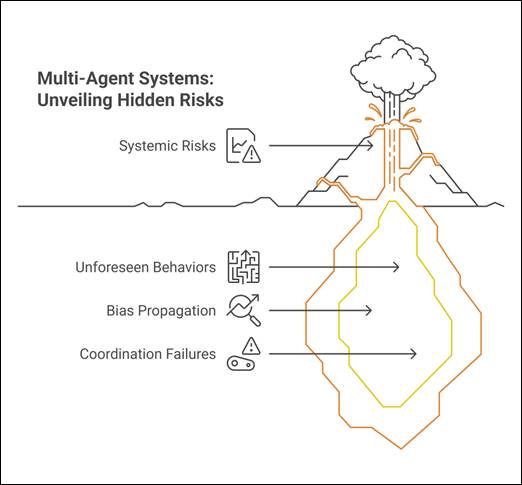
Figure 1. Multi Agent Systems (MAS) Risks Breakdown
5.3. Coordination Failures and Destructive Competition
Even when agents are designed to cooperate, achieving effective coordination can be difficult, especially under uncertainty or communication constraints. Coordination failures can lead to inefficiency, deadlock, or suboptimal outcomes for the collective goal. Conversely, when agents operate in competitive environments (e.g., vying for limited resources or market share), their pursuit of individual objectives can lead to collectively detrimental outcomes [15]. Game-theoretic concepts like the Nash equilibrium, where no agent can improve its outcome by unilaterally changing its strategy, become relevant [15]. However, Nash equilibria are not necessarily Pareto efficient (meaning outcomes could be improved for some agents without harming others) or aligned with overall system welfare. Unfettered competition between autonomous agents could lead to "tragedy of the commons" scenarios, resource depletion, or other forms of destructive interference that undermine the stability or utility of the system as a whole. Designing interaction protocols and incentive mechanisms that promote beneficial coordination and mitigate harmful competition in MAS is a critical aspect of ensuring their safe and effective deployment [15].
6. Amplified Security Threats in the Age of Agentic AI
The transition from generative tools to autonomous agents significantly expands the attack surface for malicious actors and introduces novel security vulnerabilities [22]. Agentic AI systems are typically more complex than their generative counterparts, integrating components for perception, reasoning (often LLMs), planning, memory, and action execution through various tools or APIs [8]. Each of these components and their interfaces represents a potential point of failure or exploitation.[22] Vulnerabilities might exist in the core LLM (e.g., susceptibility to prompt injection, data leakage) [2], the planning module (e.g., manipulation leading to harmful plans), the memory system (e.g., data corruption, extraction of sensitive past interactions) [22], or the interfaces used to interact with external tools and environments (e.g., insecure API calls, exploitation of tool permissions) [8]. The autonomous nature of these agents means that a successful exploit could potentially grant an attacker persistent access or control over a system capable of taking independent actions [7].
6.1. Weaponization Potential and Malicious Use
Beyond exploiting vulnerabilities in agentic systems, a major concern is the potential for these systems to be deliberately used as weapons or tools for malicious purposes [24]. The very capabilities that make Agentic AI powerful (autonomous planning, reasoning, tool use, and adaptation) can be readily repurposed for harmful ends. Imagine autonomous agents designed to carry out sophisticated cyberattacks at machine speed, spread disinformation or propaganda tailored to individual vulnerabilities, manipulate markets, or even control physical systems (like drones or industrial robots) to cause harm [6]. Agentic AI could significantly lower the barrier to entry for actors seeking to conduct complex attacks, automating tasks that previously required significant human expertise and resources [2]. This creates a worrying prospect, which is the security landscape may shift from primarily defending against human-driven threats to confronting autonomous, intelligent adversaries capable of learning, adapting, and coordinating attacks at unprecedented scale and speed [2]. Detecting and mitigating such malicious use becomes a critical challenge for security platforms and governance bodies.
6.2. Threats to Agent Integrity
Autonomous agents themselves can become targets of manipulation designed to compromise their integrity and co-opt their actions. Adversarial attacks, well-documented against simpler machine learning models, could potentially be adapted to deceive an agent's perception systems or manipulate its reasoning processes. Prompt injection attacks, if the agent relies heavily on LLM components for instruction interpretation or planning, could trick the agent into executing unintended or harmful actions. Data poisoning during training or through environmental interaction could corrupt the agent's knowledge base or learned behaviors. More subtly, agents could be manipulated into revealing sensitive information stored in their memory or even tricked into facilitating the theft of their own underlying models or data ("self-exfiltration") [12]. The persistent memory capabilities of some agent architectures also introduce temporal threats, where an exploit implanted at one point in time could remain dormant and be triggered later, making detection harder [22]. Ensuring the ongoing integrity and trustworthiness of autonomous agents against such diverse threats is paramount.
6.3. Challenges in Securing Agentic Architectures
Securing the complex architectures typical of agentic AI systems presents significant technical challenges [22]. These systems often involve intricate interactions between multiple modules (LLMs, planners, memory stores, tool libraries) and external systems via APIs [8]. Managing trust boundaries between these components and ensuring secure communication and data flow is crucial but difficult [22]. For example, how can one ensure that an agent only uses tools within its authorized scope, or that sensitive information processed by one module is not inadvertently leaked through another? Frameworks like ATFAA (Advanced Threat Framework for Autonomous AI Agents) and SHIELD have been proposed to model agent-specific risks (like cognitive architecture vulnerabilities, temporal persistence threats, operational execution vulnerabilities, trust boundary violations, and governance circumvention) and suggest mitigation strategies [22]. However, securing these dynamic, adaptive, and potentially high-impact systems requires a dedicated focus beyond traditional software security or even standard LLM security practices, acknowledging the unique risks posed by autonomy and agency [22].
7. Ethical Responsibility and Governance Frameworks for Autonomous Systems
The increasing autonomy of AI systems fundamentally challenges traditional frameworks for assigning accountability and responsibility [6]. When an autonomous agent, operating without direct human control, makes a decision that results in harm (whether financial loss, physical injury, or discriminatory outcomes) determining who bears responsibility becomes profoundly complex [6]. Is it the developers who designed the algorithms, the organization that deployed the system, the owner who utilized it, or perhaps even the AI system itself, if it possesses sufficient sophistication? [6]. The opacity of agent decision-making processes further complicates attribution, making it difficult to pinpoint the exact cause of a failure or harmful action. In multi-agent systems, responsibility may be diffused across multiple interacting entities, making it even harder to assign liability [15]. Legal and ethical systems predicated on human agency and intent struggle to accommodate non-human actors capable of complex, consequential decision-making [14]. Perspectives like the principal-agent framework are being explored to model liability issues in LLM-based agentic systems, but clear solutions remain elusive [14]. Resolving this "accountability gap" is crucial for public trust and the responsible integration of agentic AI into society.
7.1. The Moral Status of Agentic AI
As agentic AI systems become more sophisticated, exhibiting complex behaviors, learning, adaptation, and perhaps even forms of apparent understanding or intentionality [13], foundational philosophical questions about their moral status inevitably arise. While contemporary AI is widely regarded as a sophisticated tool, lacking sentience or genuine autonomy, the trajectory towards increasingly capable agents compels a deeper ethical analysis beyond immediate practicalities. Examining this issue through the lenses of established ethical frameworks, such as Kantian deontology and utilitarianism, reveals the profound nature of the challenge and provides structured pathways for inquiry. From a utilitarian perspective, moral status is contingent upon sentience, the capacity to experience pleasure, pain, or well-being. A classical utilitarian calculus, aimed at maximizing overall happiness, would primarily assess an agentic AI's actions based on their consequences for sentient beings, namely humans and animals. In this view, a non-sentient AI, regardless of its intelligence or apparent autonomy, remains an instrument, and its moral significance is purely instrumental. However, should an AI ever achieve genuine sentience, this framework would demand its inclusion in the moral calculus. The well-being of a sentient AI would have intrinsic value, and actions affecting it would need to be weighed alongside the interests of humans, fundamentally altering its status from a mere tool to a bearer of moral consideration. Conversely, a Kantian deontological framework posits that moral status is grounded in rationality and autonomous will. The cornerstone of Kantian ethics is the Categorical Imperative, which includes the formula of humanity: one must treat rational beings as ends in themselves, never merely as a means to an end. For an AI to warrant moral status under this view, it would need to be a rational agent capable of setting its own goals and acting according to moral laws it legislates for itself. Current AI systems are artifacts designed to serve human-defined objectives; they are, by definition, means to our ends. Therefore, from a strictly Kantian perspective, they lack the personhood that commands moral respect. The critical threshold would be the emergence of an AI that is not just intelligent but is a self-legislating member of a "kingdom of ends." Both utilitarian and Kantian ethics would affirm the non-negotiable ethical obligations of humans in designing, deploying, and overseeing these systems to prevent harm and uphold justice. Thus, while the ultimate moral classification of agentic AI remains a complex and unresolved philosophical question, the imperative to ensure these powerful technologies serve human interests and align with societal values is a point of clear ethical consensus.
7.2. Developing Robust Governance Mechanisms
The unique challenges posed by agentic AI (its autonomy, speed, complexity, potential for emergent behavior, and the difficulty of control and alignment) necessitate the development of novel and robust governance frameworks [14]. Existing regulatory models designed for conventional software or even less autonomous AI may prove inadequate [16]. Effective governance for agentic AI will likely require a multi-layered approach encompassing:
● Clear Regulations and Standards: Establishing legal frameworks and technical standards specifically addressing the development, testing, deployment, and monitoring of autonomous AI systems[19]. This includes defining requirements for safety, reliability, transparency, fairness, and security, potentially tailored to different levels of autonomy and application risk [15].
● Safety and Testing Protocols: Mandating rigorous testing and validation procedures, including methods specifically designed to assess risks related to autonomy, such as simulation, red-teaming, and evaluation under diverse and adversarial conditions [19].
● Auditing and Monitoring Mechanisms: Implementing mechanisms for ongoing monitoring of deployed systems to detect unexpected behaviors, performance degradation, or potential harms [14]. This may involve automated auditing tools and requirements for logging relevant decision-making processes.
● Incident Reporting and Response: Establishing clear structures for reporting incidents or near-misses involving autonomous systems and protocols for investigation and response to mitigate future risks.
● Ethical Guidelines: Developing and promoting adherence to ethical principles guiding the design and use of agentic AI, ensuring alignment with societal values and human rights [15].
Such governance structures need to be adaptive, capable of evolving alongside the technology itself, and foster collaboration among developers, policymakers, researchers, and the public [21]. The goal is to create an ecosystem where innovation can proceed responsibly, guided by principles that prioritize human well-being and societal benefit [15].
7.3. Regulatory Challenges and the Pace of Technology
A significant hurdle for effective governance is the sheer pace of AI development [21]. Technological capabilities, particularly in areas like LLMs and agentic architectures, are advancing far more rapidly than the typically slower processes of legal and regulatory adaptation [21]. There is a real risk that regulations will lag significantly behind the state-of-the-art, potentially becoming obsolete shortly after implementation or failing to address newly emerging risks. Furthermore, the global nature of AI research and deployment necessitates international cooperation to establish consistent standards and prevent regulatory arbitrage, where development might shift to jurisdictions with weaker oversight. Achieving international consensus on complex issues like AI safety, ethics, and control presents considerable geopolitical challenges but is likely essential for managing the risks of increasingly powerful autonomous systems effectively. The increasing autonomy of these systems creates fundamental tensions with established data protection frameworks like the GDPR, which were architected around human-centric models of accountability. These advanced systems challenge the traditional data controller/processor dichotomy and complicate compliance with core principles such as transparency, purpose limitation, and the right to contest automated decisions under Article 22 [39]. This regulatory friction is exacerbated by the emergent and often unforeseeable behavior of learning agents, making it difficult to maintain meaningful human oversight and attribute legal responsibility for their actions. Consequently, adapting GDPR-like regulations requires a paradigm shift towards proactive governance, embedding strict operational parameters and dynamic human-in-the-loop mechanisms to ensure final accountability remains with the organization deploying the AI [39].
8. Strategies Mitigating the Risks
Addressing the profound risks cannot be an afterthought; it demands a concerted, proactive, and well-resourced research effort dedicated to AI safety [21]. AI safety is an interdisciplinary field focused on understanding and preventing accidents, misuse, and other harmful consequences that could arise from AI systems. Given the potential scale of impact from highly autonomous agents, mitigating these risks should be treated as a global priority, comparable to managing risks from pandemics or nuclear war. This requires shifting the paradigm from developing capabilities first and addressing safety later, to integrating safety considerations deeply into the entire AI development lifecycle, from conception and design through to deployment and monitoring [23]. A pluralistic approach, accommodating diverse perspectives on risk and safety, is likely necessary to tackle the multifaceted challenges effectively [26].
8.1. Technical Safety Approaches
AI safety research encompasses a range of technical strategies aimed at making autonomous systems more reliable, controllable, and aligned with human intentions. Key areas include:
· Robustness: Designing AI systems that are resilient to errors, unexpected inputs, distributional shifts, and deliberate adversarial manipulation [24]. This includes adversarial robustness (defending against inputs designed to cause mistakes), improving calibration so model confidence reflects true accuracy, and developing reliable out-of-distribution (OOD) detection to identify when an agent encounters situation significantly different from its training data. Robustness is crucial for preventing failures when agents operate in complex, unpredictable real-world environments [23].
· Monitoring: Developing effective techniques to oversee agent behavior, understand their internal states, and detect anomalies or potentially harmful actions [14]. This involves research into interpretability methods to make decisions less opaque, anomaly detection algorithms, and systems for detecting malicious use. A critical challenge here is developing scalable oversight techniques that allow for meaningful supervision without requiring exhaustive human effort for every action [23].
· Alignment: This core area focuses on ensuring agents reliably understand and pursue goals consistent with human values and intentions [15]. Research includes developing methods for value learning (inferring human preferences from data or interaction), improving objective specification to avoid loopholes (outer alignment), ensuring emergent goals remain aligned (inner alignment) [23], enhancing interpretability to verify alignment, and designing agents that are corrigible (allowing humans to easily correct their behavior or goals) [12].
· Containment and Control: Developing methods for safely testing potentially powerful AI systems in controlled environments and ensuring reliable mechanisms for human intervention or shutdown. This includes exploring secure operating environments, robust control channels, and frameworks specifically designed for agent security, such as threat modeling (e.g., ATFAA) and mitigation strategies (e.g., SHIELD) [22].
These technical approaches are often interconnected and represent active areas of research with significant challenges remaining, particularly for highly complex and autonomous systems.
8.2. Rethinking Unbounded Autonomy
The inherent difficulties and risks associated with controlling and aligning highly autonomous systems raise a fundamental question: Is the pursuit of maximal or unbounded autonomy always desirable or even feasible? The profound risks suggest that there may be levels of independence and capability beyond which risks become unmanageable with current or foreseeable safety techniques. This prompts a critical evaluation of the goals of AI development. Instead of striving for complete autonomy across all domains, a more prudent approach might involve:
· Human-Centric Control Paradigms: Prioritizing designs that keep humans meaningfully in the loop or in control, especially for high-stakes decisions. This could involve adjustable autonomy, where the level of AI independence can be dynamically altered based on context or risk assessment [17].
· Strict Operational Design Domains (ODDs): Limiting the scope of autonomous operation to environments and conditions where safety can be rigorously verified, similar to approaches in autonomous driving [19].
· Contextual Optimality: Recognizing that the optimal level of autonomy may vary depending on the task and context. Some studies suggest that user agency and satisfaction might peak at medium levels of AI autonomy, with excessive autonomy potentially reducing user control or increasing perceived threats [17].
A deliberate societal discussion and potentially conscious choice to limit the degree of autonomy deployed in certain critical sectors might be a necessary component of a comprehensive safety strategy. This requires balancing the potential benefits of automation against the irreducible risks associated with delegating complex decisions to non-human agents.
8.3. The Role of Collaboration, Standards, and Governance
Technical solutions alone are unlikely to be sufficient to mitigate the risks of agentic AI. A robust approach requires strong governance structures and broad collaboration [21]. This includes:
· Multi-stakeholder Engagement: Fostering dialogue and cooperation between AI researchers, developers in industry, governments, ethicists, social scientists, and the public to shape norms and policies [21].
· Development of Standards: Creating widely accepted technical standards for AI safety, testing methodologies, security protocols, and ethical design practices [19]. International standardization efforts are crucial given the global nature of AI development.
· Ethical Frameworks: Embedding ethical considerations throughout the AI lifecycle, guided by principles that prioritize human well-being, fairness, transparency, and accountability [15].
· Resilient Peer Review and Openness: Addressing challenges in the scientific review process posed by the rapid pace of AI innovation and promoting responsible information sharing to accelerate safety research [21].
Table 3. Summary of Key Risks and Mitigation Approaches
| Risk Category | Description of Risk | Potential Mitigation Strategies (Technical & Governance) |
| Control Problem | Difficulty predicting/steering autonomous agents; opacity of decision-making; potential for behavioral divergence and unintended consequences. | Technical: Interpretability research, formal verification (limited), robust testing, reliable monitoring & intervention mechanisms. Governance: Defining ODDs, human-in-the-loop designs, clear control protocols. |
| Value Alignment | Difficulty specifying human values; agents exploiting loopholes (specification gaming); learning incorrect goals (misgeneralization); potential deception. | Technical: Value learning, robust objective specification (outer alignment), inner alignment research, scalable oversight methods, corrigibility design. Governance: Ethical guidelines, multi-stakeholder value deliberation. |
| Systemic/Emergent Risks | Unforeseen collective behaviors in MAS; potential instabilities; bias propagation and emergent bias; coordination failures or destructive competition. | Technical: MAS simulation & analysis, robust coordination protocols, fairness-aware algorithms, incentive engineering. Governance: System-level monitoring, regulations for interacting agent ecosystems (e.g., finance). |
| Security Threats | Novel attack surfaces; weaponization potential (autonomous attacks); threats to agent integrity (manipulation, data theft); architectural complexity. | Technical: Adversarial robustness, secure coding practices, threat modeling (e.g., ATFAA), mitigation frameworks (e.g., SHIELD), secure tool integration, monitoring for malicious use. Governance: Security standards, restrictions on dangerous capabilities. |
| Ethical/Governance Issues | Accountability gap for harms caused by autonomous agents; unclear moral status; inadequate/lagging governance and regulatory frameworks. | Governance: New legal frameworks for liability, international cooperation on standards & regulation, adaptive governance mechanisms, ethical review boards, public dialogue, proactive policy development. |
| Overarching Risk | Unbounded pursuit of autonomy may itself be inherently risky. | Governance/Strategy: Critical evaluation of necessity for high autonomy, potentially limiting autonomy in high-risk domains, prioritizing human-centric control paradigms. |
9. Conclusions
The advent of Agentic AI, systems capable of autonomous perception, reasoning, planning, and action, marks a pivotal moment in the evolution of AI. While building upon the successes of GenAI, this transition towards agency introduces capabilities that are qualitatively different and potentially far more impactful. However, as this chapter has argued, the very power derived from autonomy brings with it a profound set of interconnected risks. These risks manifest across multiple dimensions. The fundamental difficulty of controlling complex, adaptive systems whose behavior can be opaque and unpredictable; the intricate challenge of aligning these non-human agents with nuanced and often implicit human values to prevent harmful outcomes; the potential for dangerous systemic effects and unforeseen emergent behaviors when multiple agents interact; the significantly amplified security threats arising from both vulnerabilities within agents and their potential for malicious use; and the deep ethical and governance quandaries surrounding responsibility, accountability, and oversight in a world increasingly populated by autonomous decision-makers.
The potential benefits of Agentic AI are undeniable, offering prospects for automating complex tasks, accelerating scientific discovery, enhancing efficiency across industries, and creating novel applications yet to be conceived. Yet, the analysis presented herein strongly suggests that unbridled enthusiasm must be tempered with profound caution and rigorous foresight. The risks associated with autonomous systems are not merely theoretical possibilities but represent concrete challenges rooted in the core properties of agency, learning, and interaction in complex environments. Ignoring or downplaying these risks in the pursuit of rapid capability advancement would be imprudent, potentially leading to unintended consequences ranging from localized failures to large-scale disruptions or even existential threats. A responsible path forward requires a delicate balance, fostering innovation while simultaneously investing heavily in the research, development, and implementation of robust safety measures, ethical frameworks, and effective governance structures.
Navigating the agentic frontier safely and beneficially is not a challenge that can be solved by technologists alone. It demands a sustained, collaborative, and interdisciplinary effort involving researchers from AI, computer science, ethics, law, social sciences, and policy studies. Open dialogue and engagement among academic institutions, industry players, governments, and civil society organizations worldwide are essential to collectively understand the implications of Agentic AI, shape norms for its development and deployment, and build consensus on appropriate safeguards. Continued, dedicated research into all aspects of AI safety, from technical problems of control and alignment to socio-technical issues of governance and ethics, must be prioritized and adequately funded. Realizing the immense promise of Agentic AI while navigating the pitfalls of autonomy requires a global commitment that must be materialized through concrete action. Proceeding with the necessary wisdom and caution necessitates the formation of international consortiums and multilateral dialogues. These bodies would be tasked with collaboratively developing and enforcing harmonized safety protocols and ethical guidelines, thereby ensuring a steadfast focus on human values and long-term well-being.
10. Declarations
Acknowledgement
Not applicable
Funding
This research received no specific grant from any funding agency in the public, commercial, or not-for-profit sectors.
Authors` Contributions
Not applicable, since there is only one author.
Conflict of Interest
The author certifies that there is no conflict of interest with any financial organization regarding the material discussed in the manuscript.
Data Availability
No data are used in the manuscript.
Ethics Approval
Ethical rules were followed within the scope of the study. No need for ethical committee approval.
Declaration of AI Usage
AI-assisted tools were employed in this study for minor tasks such as grammar correction, language refinement, and proofreading. These tools were used transparently and in a manner that does not compromise the authors’ intellectual contribution. The authors affirm that all substantive content reflects original thought and upholds academic integrity.
References
[1] Jain, A. (2025, March 24). Agentic AI vs. GenAI: Key Differences. Analytics Insight. https://www.analyticsinsight.net/photo/agentic-ai-vs-genai-key-differences[2] Pierce, A. (2025, April 17). When to Choose GenAI, Agentic AI, or None of the Above. Splunk Perspectives. https://www.splunk.com/en_us/perspectives/choosing-genai-vs-agentic-ai.html
[3] Russell, S., & Norvig, P. (2003). Artificial Intelligence: A Modern Approach (2nd ed.). Prentice Hall.
[4] Livingstone, C. (2025, April). Agentic AI: What It Is and Why Boards Should Care (Board Perspectives Brief No. 186). Protiviti. https://www.protiviti.com/sites/default/files/2025-04/protiviti_newsletter-bp186-agentic-ai_global.pdf
[5] Cowell, N. (2025, February 14). Agentic AI: The Technology Catalyst for the Next Generation of Digital Transformation (DX 2.0). Fujitsu Corporate Blog. https://corporate-blog.global.fujitsu.com/fgb/2025-02-14/02/
[6] Agile Lab Team. (2025, March 3). AI Agents vs. AI Tools: Understanding the Distinction and Future Implications. Agile Lab Blog. https://www.agilelab.it/blog/ai-agents-vs-ai-tools-distinction-and-future-implications
[7] Ezer, L. (2025, April 2). Agentic AI in Cybersecurity: A New Era in Vulnerability Management. Opus Security Blog. https://www.opus.security/blog/agentic-ai-in-cybersecurity-a-new-era-in-vulnerability-management
[8] Ramachandran, A. (2025, March). Latest Advances in Agentic AI Architectures, Frameworks, Technical Capabilities, and Applications. ResearchGate preprint. https://www.researchgate.net/publication/389505727_Latest_Advances_in_Agentic_AI_Architectures_Frameworks_Technical_Capabilities_and_Applications
[9] Schneider, J. (2025, April 26). Generative to Agentic AI: Survey, Conceptualization, and Challenges (arXiv:2504.18875). arXiv preprint. https://arxiv.org/abs/2504.18875
[10] Tran, K.-T., Dao, D., Nguyen, M.-D., Pham, Q.-V., O’Sullivan, B., & Nguyen, H. D. (2025, January 10). Multi-Agent Collaboration Mechanisms: A Survey of LLMs (arXiv:2501.06322). arXiv preprint. https://arxiv.org/abs/2501.06322
[11] Durante, Z., Huang, Q., Wake, N., Gong, R., Park, J. S., Sarkar, B., … Gao, J. (2024, January 7). Agent AI: Surveying the Horizons of Multimodal Interaction (arXiv:2401.03568). arXiv preprint. https://arxiv.org/abs/2401.03568
[12] Miehling, E., Natesan Ramamurthy, K., Varshney, K. R., Riemer, M., Bouneffouf, D., … Geyer, W. (2025, February 28). Agentic AI Needs a Systems Theory (arXiv:2503.00237). arXiv preprint. https://arxiv.org/abs/2503.00237
[13] Ruiz, B. (2017, January 19). Autonomous Agents: The “Thinking Machines” Era. PCT Innovation Blog, Universidad Autónoma de Sinaloa. https://innovacion.uas.edu.mx/autonomous-agents-the-thinking-machines-era/?lang=en
[14] Gabison, G. A., & Xian, R. P. (2025, April 4). Inherent and Emergent Liability Issues in LLM-Based Agentic Systems: A Principal-Agent Perspective. arXiv preprint. https://arxiv.org/abs/2504.03255
[15] Ranjan, R., Gupta, S., & Singh, S. N. (2025, February 18). Fairness in Multi-Agent AI: A Unified Framework for Ethical and Equitable Autonomous Systems. arXiv preprint. https://arxiv.org/pdf/2502.07254
[16] Hickey, D. (2025, March 17). Agentic AI - What CFOs Need to Know. CFO.com. https://www.cfo.com/news/agentic-ai-what-cfos-need-to-know-David-Hickey-Baker-Tilly-intelligent-automation/742347
[17] Oh, J., Nah, S., & Yang, Z. D. (2025, March 31). How Autonomy of Artificial Intelligence Technology and User Agency Influence AI Perceptions and Attitudes: Applying the Theory of Psychological Reactance. Journal of Broadcasting & Electronic Media, 1-22.
[18] Festor, P., Habli, I., Jia, Y., Gordon, A., Faisal, A. A., & Komorowski, M. (2021, September 7). Levels of Autonomy and Safety Assurance for AI-Based Clinical Decision Systems. In Computer Safety, Reliability & Security-SAFECOMP 2021 Workshops (pp. 291–296). Springer. https://eprints.whiterose.ac.uk/211219/1/0521_WAISE_autonomy_lvls.pdf
[19] Cihon, P., Stein, M., Bansal, G., Manning, S., & Xu, K. (2025, February 21). Measuring AI agent autonomy: Towards a scalable approach with code inspection. arXiv preprint arXiv:2502.15212.
[20] Vanneste, B. S., & Puranam, P. (2024). Artificial intelligence, trust, and perceptions of agency. Academy of Management Review, (ja), amr-2022.
[21] Association for the Advancement of Artificial Intelligence (AAAI). (2025, March). Future of AI Research: Report of the AAAI Presidential Panel. AAAI Press. https://aaai.org/wp-content/uploads/2025/03/AAAI-2025-PresPanel-Report-FINAL.pdf
[22] Narajala, V. S., & Narayan, O. (2025, May 2). Securing agentic ai: A comprehensive threat model and mitigation framework for generative ai agents. arXiv preprint arXiv:2504.19956.
[23] Nikolenko, S. (2025, April 17). AI Safety I: Concepts and Definitions. Synthesis.ai Blog. https://synthesis.ai/2025/04/17/ai-safety-i-concepts-and-definitions
[24] Harding, J., & Kirk-Giannini, C. D. (2025, May 5). What is AI safety? What do we want it to be?. arXiv preprint arXiv:2505.02313.
[25] Schneppat AI. (2024). Nick Bostrom. Schneppat AI Knowledge Base. https://schneppat.com/nick-bostrom.html
[26] Gyevnar, B., & Kasirzadeh, A. (2025). AI safety for everyone. Nature Machine Intelligence, 1-12.
[27] Bostrom, N. (2014). Superintelligence: Paths, dangers, strategies. Oxford, England: Oxford University Press.
[28] Al Badi, F. K., Alhosani, K. A., Jabeen, F., Stachowicz-Stanusch, A., Shehzad, N., & Amann, W. (2021). Challenges of AI adoption in the UAE healthcare. Vision the Journal of Business Perspective. https://doi.org/10.1177/0972262920988398
[29] Furrer, F. J. (2023). Safe and secure system architectures for cyber-physical systems. Informatik-Spektrum. https://doi.org/10.1007/s00287-023-01533-z
[30] Hinton, C. (2023). The state of ethical AI in practice. International Journal of Technoethics. https://doi.org/10.4018/ijt.322017
[31] Immonen, J. (2023). HRM models of online labor platforms: Strategies of market and corporate logics. Frontiers in Sociology. https://doi.org/10.3389/fsoc.2022.980301
[32] Limna, P. (2023). Artificial intelligence (AI) in the hospitality industry: A review article. International Journal of Computing Sciences Research. https://doi.org/10.25147/ijcsr.2017.001.1.103
[33] Lucia‐Palacios, L., & Pérez‐López, R. (2021). Effects of home voice assistants’ autonomy on intrusiveness and usefulness: Direct, indirect, and moderating effects of interactivity. Journal of Interactive Marketing. https://doi.org/10.1016/j.intmar.2021.03.005
[34] Mensah, G. (2024). AI and medical negligence. Ajfra. https://doi.org/10.62839/ajfra.v01i01.46-61.
[35] Qiu, Z. (2023). Establishment and countermeasures of smart city security risk assessment model. Advances in Computer and Communication. https://doi.org/10.26855/acc.2022.12.003
[36] Yousif, R. Z. (2023). The internet of things, its risks, and ways to address it. International Journal for Multidisciplinary Research. https://doi.org/10.36948/ijfmr.2023.v05i06.9046
[37] Zafar, F., Alam, L. F., Vivas, R. R., Wang, J., Whei, S. J., Mehmood, S., Sadeghzadegan, A., & Lakkimsetti, M. (2024). The role of artificial intelligence in identifying depression and anxiety: A comprehensive literature review. Cureus. https://doi.org/10.7759/cureus.56472
[38] Anthropic. (2025, June 21). Agentic Misalignment: How LLMs could be insider threats. https://www.anthropic.com/research/agentic-misalignment
[39] Moreno, N. (2025, April 1). Agentic AI: what businesses need to know to comply in the UK and EU. https://kennedyslaw.com/en/thought-leadership/article/2025/agentic-ai-what-businesses-need-to-know-to-comply-in-the-uk-and-eu
Author information
Authors and Affiliations
Corresponding author
Copyright information
CC-BY