

Abstract
This study examined the application of AI tools including GPT or Claude (large language models) in primary healthcare settings and it included the use of AI tools for diagnosis, patient information, administration, and clinical decision-making. Legal and ethical issues and data security were discussed in using AI in primary care settings, also the present status of primary care in Türkiye was reviewed and recommendations were made for the future. These tools can be used to improve the quality of care, facilitate access to care, and reduce the cost of primary healthcare when used properly, thus they have the potential to make a significant impact on the healthcare system.
1. Introduction
The world population is rapidly growing and improvements in living standards are also leading to an increase in life expectancy. However, this comes with its own set of challenges, because for instance, climate change, ecological destruction, and the instability of the food system are all interconnected. They all have a significant impact on public health, thus these challenges lead to an increase in the prevalence of diseases. They place an enormous strain on healthcare systems and resources (Damar, 2025), and as a result, healthcare facilities are being forced to work smarter. This has pushed large healthcare organizations to revise traditional approaches to managing, and it has also forced organizational changes and restructuring, therefore it has also necessitated the introduction of more flexibility and interactivity in how the organizations are run (Çetinkol et al., 2023). This has enabled them to deliver better care, so it has also enabled them to ensure that the different groups work well together, which is the essence of patient-centered care.
Especially in digital transformation, the entire industrial sector is affected and considering the digital transformation, it is considered necessary by the experts to be competitive in the new world order. There are many studies on digital transformation in the healthcare industry, thus digital transformation is a new field of study in the healthcare industry in recent years (Damar & Özen, 2023). Digital transformation requires a large-scale change in the way of doing business, therefore digital transformation also requires the adoption of new technologies (Damar & Özdağoğlu, 2023). According to Miah (2018), hospital executives and researchers have recognized the development of new technologies to optimize processes as a key priority, so decision support systems are widely used by physicians (Damar, 2025). AI and LLMs are a new technology that is disrupting everything in the last few years, and this includes healthcare (Damar et al., 2024a; Damar, 2025).
AI has also been applied in healthcare in the early diagnosis, correct recognition, decision support in clinical care, and positive promotion and health maintenance. AI is on the rise to influence the delivery of care and healthcare provider roles, bringing such advantages as more effective clinical decisions, workflows, resource distribution, less workload, and more efficiency. The use of AI is increasingly gaining popularity in such fields as radiology, dermatology, pathology, cardiology, psychiatry, and so on (Haenssle et al., 2018). Artificial intelligence includes different types of software and hardware systems that resemble the learning capabilities of a biological central nervous system and operate such functions as data processing, pattern recognition, and producing recommendations (Arslan & Kaya, 2023). In healthcare, AI can be used as a tool and aids in the management and treatment process, delivery of services to a broader population, and prevention of instances of medical malpractice (Çalışkan et al., 2021). AI emulates the human procurement of intelligence through machineries, notably those of computer systems characterized by learning (getting information and formulating rules that it uses) and reasoning (applying rules to come up with tentative or definite answers), and self-readjustments. Examples of specific applications are expert systems, speech recognition and computer vision (Mijwel, 2016). The recent breakthroughs in AI, especially those related to machine learning and deep learning algorithms, made its implementation much more convenient (Seçer, 2024).
The growing population of patients in primary care, shortage of accessible resources, and the growing medical know how have increased the requirements of AI-assisted solutions in the primary care (Ozdemir and Sahin, 2023). Compared to the classical AI constructs, the large language models (LLMs) change the very concept of natural language processing with deep learning-driven technology and open up new horizons in patient-provider communication and clinical advice (Demir, 2024). Introduced as transformer-based natural language processing models, trained with huge datasets, loaded by billions of parameters, LLMs scale in size and have achieved greater and greater levels of performance. They can do anything like understanding language, generating language, summarizing language, translating language, and also classifying the human language. They therefore have a great potential to offer essential solutions to the area of healthcare including primary care. Nonetheless, it is possible to address the questions of whether those tools can be implemented in clinical practice and whether the doctors need to be trained to work with them, as well as the challenges and possible solutions to the major issues of data privacy, ethics, and regulatory compliance. These are essential aspects in a successful integration. Moreover, the economic assessment is required in order to evaluate the costs and possible savings of these tools. Hence, the effectiveness of LLMs in the environment of primary healthcare should be evaluated through comprehensive field studies of the type of the current one. This paper includes an in-depth evaluation of the ways in which the use of large language models can be utilized in the field of primary healthcare. The main questions that are addressed are the impacts of LLMs and AI technologies on the primary care, the implementations that are used in the field nowadays, the global location, the contributions that can be made, and the approaches to integrations. It also reviews all the available literatures on the matter with special attention to large LLMs that have developed in the recent years.
2. Primary Healthcare Services and The Current Situation in Türkiye
Primary healthcare services are important in the provision of preventive, promotive and curative intervention. These services are mainly devoted not only to cure the illness but intervene and prevent the risk factors that predisposed to the development of this disease (Yaslı et al., 2025). The first contact in a health system refers to primary healthcare and it involves primary preventive, diagnosis, as well as therapeutic services (Arslan & Kaya, 2023). Turkey These are arranged in TURKIYE through Family Medicine Practices and Community Health Centers. Its main directions are preventative care, work with chronic disease, and non-emergency treatment. Interdisciplinary teams provide collaborative work between the personnel of the public health offices and family physicians to ensure the delivery of the chain of care (Arslan & Kaya, 2023). Primary care consequently takes a center stage in provision of healthcare services (Çetinkol et al., 2023). The primary care system of Türkiye reveals some regional differences in regard to the ratio of a physician per population, geographical distribution, and allocation of resources. Although the rural setting might be associated with restricted provision of family physicians, the number of doctors and specialists is usually high in urban centers (Kaplan, 2023).
Compared internationally, there are similarities and differences in the system of the primary care in Türkiye. As an example, gatekeeping primary care is robust in the United Kingdom; a patient has to see a family physician first (Kaplan, 2023). On the other hand, the idea of directly booking the appointment with specialists is prevailing in the United States, but integration, teamwork, and use of electronic health records differ inter-country. Other countries such as Canada and Australia use primary care clinics specializing in regions and rural access models. Most Latin American and Caribbean (LAC) countries portray a marked segmentation of the healthcare services where various organizational niches are regulated differently and provide different services. These fragmentations can be explained with the help of several models such as the unified public model (e.g., Cuba and Costa Rica), the public contract model (e.g., Brazil), the segmented model (e.g., Chile) and the privately fragmented model that is common in other countries of LAC region (Damar et al., 2025b). Such examples in other parts of the globe can help to indicate how the practices of Türkiye can be adjusted to its own systems dynamics (Kaplan, 2023).
The model of service delivery in primary care tries to manage the lifelong health of an individual within the scope of family-based medicine (Özdemir & Şahin, 2023). A doctor, nurse, midwife and a staff in the lab man each unit. The electronic health record systems combine patient monitoring, testing data, and prescription management within one platform by reducing the number of existing workflows (Ozdemir & Sahin, 2023). Under the ideology of accessibility and inclusiveness, the age, gender, socioeconomic status, and disability are considered in setting planning of primary care services. Direct consultation with their family physician is also a right of citizens, and facilitators like interpreters and any other walking personnel also accompany them so as to limit on the barriers of communication. Moreover, home care service and mobile clinics have a goal of providing at least the minimum level of healthcare to underdeveloped areas (Kaplan, 2023).
Considering direct and constant contact with the population at large, family physicians and general practitioners are in the best position to evaluate the various risk factors on the individual level (e.g., hereditary and genetic factors, personal history, diet), assess desirable diagnostic and preventive measures, offer advice, and design individual health-promoting programs (Damar et al., 2025a). Furthermore, they are the most conspicuous group of human resources in terms of application of appropriate artificial intelligence tools. Any project that deals with the enhancement of primary healthcare will also directly affect the condition of the population and advance patient care levels as well as assist physicians in reaching better decisions when diagnosing and treating the patients.
3. Artificial Intelligence in The Field of Health Sciences: Current Landscape
3.1. Issues in the Healthcare Sector, Artificial Intelligence, and the Large Language Models
The main problems related to primary care services include workforce shortage as well as inequity of workforce allocation. There is a major shortage in the number of physicians to be allocated to rural and remote regions as compared to the urban regions. This inequality further worsens health inequality and has a negative impact on the quality of care (Arslan & Kaya, 2023). Compliances and restrictions on resources by the administration decrease the time that medical professionals can commit to the patient, thus causing inefficiency in clinical processes. Observations of a lack of appropriate decision support systems imply the limited application of AI and digital assistant-based clinical decision-making. The existing clinical guidelines and drug interaction warnings are incomplete, which compels doctors to depend greatly on their experience (Akarsu & Gokmen, 2024). There is a greater volume of patients and time pressure, and in cases at urban centers, appointments are shorter and wait time is also longer. The consultation period in primary care is 10-15 min in depending on the complaint, and this could not allow patients to express complaints properly and cause the development of adequate treatment maps (Sen & Ta, 2023).
The introduction of AI in healthcare also pursues a series of ethical and legal questions (Cath, 2018; Mahomed, 2018; Rosemann & Zhang, 2022). Legally speaking, at present, there is no obvious framework defining who is responsible in case of a mistake, which can be made in the optimization of AI-assisted decision-making procedures (Demir & Yilmaz, 2021). The current malpractice policies revolve more on the part of the physician individually and in most cases, the errors in software are left out. This leaves practitioners and healthcare institutions in doubt (Demir & Ylmaz, 2021). Eliminating the gray areas of responsibility between the parties can be attained through the revision of the insurance laws to include damages that may be caused by the use of AI-related applications. In addition, a complete regulatory framework that will consist of data privacy, algorithmic transparency, and performance monitoring standards has not been fully established. A set of the laws based on internationally accepted standards will be required to provide a safe and ethical code of the AI incorporation (Kaplan, 2023).
Even though primary care is fraught with structural and operational issues, it is a pillar in ensuring equitable access to healthcare services. The doctors can use less time to attend to the patients as they spend their time doing the paper works. Decisions made in clinics are still largely patient-dependent, shortage of physicians is still an issue both in Türkiye and across the country; and service delivery is delayed by documentation and bureaucracy procedures. To overcome them, it is possible to say that Artificial Intelligence-based solutions, especially those focused on large language models, are becoming more popular in terms of their potential adaptability to the healthcare systems.
3.2. The Evaluation of the Primary Healthcare and Artificial Intelligence Technology in Türkiye
There is no widespread policy on the use of artificial intelligence in primary healthcare in Türkiye (Demir & Çelik, 2023), and it appears to be an area open to development. Some of the reported success stories include pilot project that involved implementing a diagnostic support part as a component to the mobile health system, which was reported to save consultation time of each patient by 20 percent (Akarsu & Gökmen, 2024). Also, chatbot triage and remote imaging have contributed to a 30% increase in redirecting the non-urgent cases to the appropriate care units (Demir & Çelik, 2023).
Technologically speaking, most of the primary healthcare facilities in Türkiye to, have only reached the topics of the initial and development phases, and have not implemented the stages of advanced analytics and automation. Yildiz and Peker (2024) uses an illustrative example to explain that Unbalanced or insufficient volumes of training data can also contribute to the problem of misdiagnosed health conditions, most notably in situations involving rare and uncommon health-related conditions (Erkan & Uslu, 2022). Additionally, algorithm bias may also lead to performance inequality between the demographics, which will worsen health inequality (Kaplan, 2023). No consideration of the human factors during technically oriented developing processes, in pairs with sophisticated user-interface and poor training, has resulted in staff resistance and slow adoption (Erkan & Uslu, 2022). In brief, AI-enabled technologies have great potential in primary care and the state healthcare system of Türkiye as a whole. This has been one of the sectors where a lot can be done. Specifically, solutions that can integrate with the existing health information systems are likely to be effective and can enhance the delivery of more efficient services. This kind of integration will save a lot of time of a physician and work out possibility of increased quality of healthcare.
4. AI-Driven Solutions in The Healthcare Sector
One of the most innovative ideas in the field of healthcare is artificial intelligence that has become of interest to physicians, clinicians, researchers, and professionals in the medical device industry. New algorithms and features of machine learning, cloud computing and other technologies have made artificial intelligence technologies much more convenient (Damar, 2025). Consequently, artificial intelligence technologies that allow processing a large amount of unstructured data and performing complex tasks have been introduced into some components of clinical care (Sapci & Sapci, 2020). The artificial intelligence is mostly used to interpret medical images in the diagnostic process and assist clinicians in decision-making. To exemplify, in a study, where more than 112,000 chest X-ray photographs were utilized in diagnosing pneumonia, artificial intelligence algorithms were more useful compared to radiologists (Palaniappan et al., 2024; Damar, 2025).
Considering the possible adaption of AI in the health systems is considered extremely beneficial. The solution to the augmentation of human resources competence in the sphere is regarded as the authority of the public institutions that are to oversee the process of artificial intelligence, big data and data analytics implementation (Damar et al., 2024b). Business intelligence (BI) solutions are getting popular in this regard as well (Damar et al., 2018; Damar et al., 2022). In essence, BI solutions in the Ministry of Health are systems that gather and past-record patient and service information of several healthcare IT systems being employed in the affiliated institutions. BI systems in large-sized organizations with huge amounts of data, such as the Ministry of Health, are designed to awaken inactive data sources, provide accurate data to the decision-makers servicing an organization, and create innovation, efficiency, and agility through information technologies (Birinci et al., 2018). also stress that it is essential to pay much attention to data security in such large-scale health information systems. Even though Türkiye has a range of big data offered in terms of healthcare reporting and display of data, currently, there is no integrated system of primary care, which is associated with provincial and district-level management (Damar et al. (2024c)
The emerging applications of artificial intelligence, which are potentially being deployed in primary care, are alternative approaches to the decision-making process of physicians used to make more informed decisions with the speed of decision-making and the accuracy of clinical decisions being advanced by applications of decision support systems and algorithms (Günay & Demirci, 2021). Image processing technologies with deep learning can be used for early detection in the form of recognition of the presence of lesions and the possibility of performing automated measurements (Öztürk & Yücel, 2022), digital radiography, tomography, and ultrasound. Natural language processing and other artificial intelligence modules, when implemented with electronic health records, assist in anomaly detection, analysis of drug interactions, and treatment adherence, making them improve the overall quality of care (Kara & Eren, 2023). In addition, predictive analytics applications utilize historical clinical data to help predict risks such as hospital admissions, complication development, and epidemic trends, thereby supporting preventive health planning (Şahin & Tosun, 2023).
Implementation of digital transformation and strategies like optimal use of resources, the introduction of artificial intelligence-based clinical decision support systems, and systems provide great avenues in enhancing the quality of services, and access. To be specific, artificial intelligence-based remote health assistants can help with initial triage and symptom analysis, and large language model-powered digital health assistants can help with patient navigation in remote settings, even though they are not a complete substitute to physicians. These ChatGPT-like platforms, when combined with localized data, may be implemented in outback mobile health clinics. Furthermore, a base level assessment by means of an artificial intelligence system combined with telemedicine might be a viable solution to the problem. The system would allow patients in far-off areas to enter their symptoms into an artificial intelligence-driven system after which they would be able to talk to the specialists in the cities through telemedicine hence simplifying the job of the physician in making decisions and time-saving in service delivery. Overall, although recent developments in the artificial intelligence progress of primary healthcare indicated successful pilot projects and high-tech solutions, their adoption in the broader perspective could also take significant efforts amounting to the multifaceted, multilevel strategies in addressing technical, organizational, and legal threats.
5. Applications of Large Language Models in The Healthcare Sector
Large language models are the models, customized to produce human language, and utilize a form of mathematics known as neural networks. They are taught on massive volumes of source material in books, the internet, news and so forth and this is what enables them to come up with coherent text since they learn the relationships among words. Then they guess the next word, that is why they become better with practice, and thus, with time they are more correct using which they are able to write more consistent text. When comparing the meaning of these words to popular culture, it is possible to compare their meaning with popular culture (Cascella et al., 2023). The existence of a new potential in natural language processing (NLP) has enabled LLMs to find a notable source of application in healthcare services recently. Most importantly the models like ChatGPT have shown near-human-level performance on the United States Medical Licensing Examination (USMLE) which underlines the possible role in clinical decision support systems and educational applications (Kung et al., 2023). Moreover, its capacity to generate the differential diagnoses or analyze clinical situations and answer patient questions in a way that the patient can understand it has also rendered this AI tool a useful device both in education and in patient-based communication process (Jeblick et al., 2022; Aydın & Karaarslan, 2022).
Besides, Med-PaLM and Med-PaLM 2 obtain great accuracy on different medical tests to reach 86.5 percent on medical examinations, including the USMLE, and is then observed by individuals (Singhal et al., 2023), and doctors have written that answers produced by Med-PaLM 2 are on an expert level, and it can be utilized in practice. Such models will be able to answer the questions, and, at the same time, assist doctors, like creating clinical summaries out of patient charts, since they can write discharge summaries, and they can review treatment (Nori et al., 2023). Given that LLMs can conduct a wide range of activities normally attributable to human beings, it has been of interest to consider their application to medicine, including medical education and clinical practice and such interest has been motivated by the perceived potential good that LLMs have to offer to medicine. Nevertheless, medicine relies on dozens of different types of data, and complicated reasoning, and this makes medicine a challenging field of the application of LLMs, as it implies the combination of various types of data and the capability of reasoning about such a sophisticated notion as medicine, and therefore medicine is a challenging area of the application of LLMs (Yuan et al., 2024).

Figure 1. Integration, of a large language model into an advanced healthcare support system (Yuan et al., 2024)
Figure 1 shows how the real-world flow of multimodal medical information, including pathology and radiology but also lab data, can be ingested by the large language model of digital brain. The given LLM allows smooth interaction with AI agents which are characterized by elements including profiling, planning, memory, and actions. The similarity of these systems lies in that they have a strong primary healthcare infrastructure, and primary care is central to the remaining health system, prognosis, and surgical support. The system developed by Yuan et al. (2024) highlights the centrality of LLMS to the improved application of AI to healthcare infrastructures. BioGPT is also another LLM, and BioGPT is a specialized LLM on biomedical texts. It demonstrated an outstanding information retrieval in the biomedical text, gene/drug modelling and drug interaction identification (Luo et al., 2022). Equally, GatorTron is a large-scale medical language model whose training involved millions of patient records and that can automatically derive useful information out of clinical notes (Yang et al., 2022). Those developments suggest that the LLMs have already gone past the stage of knowledge-driven activities to be capable of assisting real-time clinical decision-making and care processes on patients.
In conclusion, large language models possess transformative potential across various areas in medicine, including education, research, patient communication, and clinical decision support. When properly developed and implemented within an ethical framework, LLMs have the capacity to enhance healthcare system efficiency, improve diagnostic accuracy, and increase patient satisfaction.
6. Potential Applications of Large Language Models in Primary Care
Artificial intelligence has become a significant part of primary healthcare over a shorter period of time and currently, AI is used in various aspects of healthcare and provides support to healthcare systems in diagnosis of the diseases, planning of the treatment, medical imaging analysis, remote health monitoring, counseling, and clinical decision support systems through machine learning and deep learning. The medical interventions provided by AI-based systems can lead patients to prompt them based on their symptoms and moreover, AI-based systems are significant in the process of primary healthcare as they can redirect patients by directing them to family physicians via applications that are specifically developed to that end (Keleş et al., 2024). In this respect, the number of areas to which large language models can be applied in the sphere of medicine is also growing fast, and these trends make them more significant as tools that can increase the efficiency of diagnoses and ease the workload of doctors. Large language models can be used to model effective clinical decision support where the vital information in large datasets may be extracted. As an instance, they are able to standardized diagnostic report automatically by digitizing what is written and what doctors are able to see and diagnose into spoken words through speech-to-text technology (Busch et al., 2025). Such an advanced text generation ability can help doctors as it supports proper standardized reporting and is also an effective way of reviewing and enhancing imaging reports to promote a more comprehensive healthcare service quality (Li et al., 2025).
On the one hand, language models have concrete advantages not only to clinicians but also to patients. Patients usually pose several questions concerning their health statuses. Nevertheless, they cannot get answers during their appointments since they have little time. Consequently, a great number of patients resort to the internet. Yet, old-fashioned search engines such as Google may provide so much and often false data. Yet, nowadays, large language models, in particular, such as Google Med-PaLM 2, create a more focused and individualized response, simplify complex medical terms, and present health information in a more accessible, accurate, and relevant presentation considering the particular specifics of the patient (Andrew, 2024). Therefore, patients are in a better position to appreciate the nature of their sicknesses and can arrive at better decisions. Likewise, large language models will seem to be significant to triage activities. The said models have the potential to consume and process the medical history of patients, vital signs, symptoms, and any other information reported by the healthcare providers, and due to the natural language understanding component of the models, can automatically identify the necessary triage level of the patient and make the appropriate deductive actions within seconds. This way, they play a positive role in prioritizing the most urgent cases (Nashwan & Abujaber, 2023). Furthermore, due to the ability to understand the natural language, the large language models can also be exploited to perform such tasks as automatic note taking, report generation, and patient documents summarization. As an example, transcribing the audio notes taken during the doctor-patient sessions to make structured patient notes performed automatically will not only save time, but also prevent human error (Topol, 2019).
Large language models (BERT, GPT-3, and GPT-4, in particular) are of great importance to transforming diagnostic support and healthcare decision-making procedures. The key improvement in addressing clinically presented cases using machine-based analysis is the incorporation of large datasets as electronic health records, medical literature, imaging, and genomic data, and the result of AI development is state-of-the-art set of tools like analysis of EHRs, clinical decision support services, and prognostic modeling systems. The deep learning and natural language processing of a large language model allows early diagnosing of diseases and patient-specific treatment plans, as well as monitoring the patients; all of which streamline clinical operations. Nevertheless, virtual assistants and chatbots with the help of AI reduce the workload of the healthcare workers and preserve patients in a state of the interactive engagement (Scientific, 2025). The area of International Classification of Diseases (ICD) coding system is another significant area where large language models have been used. The process of matching diagnostic and procedural expressions in medical documents with the corresponding codes is usually time-consuming and requires specific expertise. Nevertheless, the potentially large-language-model based systems have been proven capable of processing textual data about patients and providing them with a suggestion of which ICD-10 code to assign to them, thus boosting the accuracy of coding (Wong et al., 2020).
Finally, large language models are proving to be effective tools in managing administrative processes such as appointment scheduling and patient flow management. These systems, which can suggest the most suitable time slots by analyzing past data, are capable of predicting appointment cancellations and facilitating congestion-based planning, offering significant contributions especially in balancing patient density and improving service quality in primary healthcare institutions (Liu et al., 2022). In this regard, the operation and contributions of large language models in the healthcare system are presented in an integrated structure in the following Figure 2.
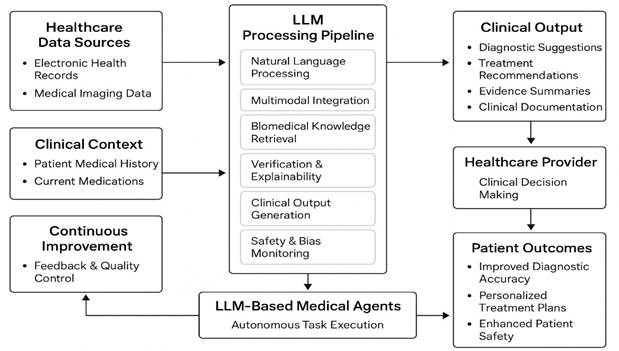
Figure 2. The operation and contributions of large language models in the healthcare system
As can be seen in the figure, the outputs obtained through basic processing steps such as electronic health records and medical imaging data, natural language processing, multimodal integration, and access to biomedical knowledge are systematically visualized in terms of how they reflect on clinical decision support mechanisms, physician decisions, and ultimately patient outcomes. Especially layers such as verification and explainability, as well as bias monitoring, stand out as critically important in increasing the reliability of language model-based systems in medical applications.
7. Ethical, Legal and Security Aspects of Artificial Intelligence and Large Language Models
ChatGPT, Google-Gemini, and LLaMA AI models have changed how we perceive and produce human-like language. They know how to work with language, generate text as human does, feel context, and can be managed in a problem-solving process. Thus, they can be applied to a variety of needs including search engines, customer care and translation (Nguyen et al., 2024). Big language models like GPT-4 by OpenAI and Gemini by Google have become powerful resources in a very short period in a broad range of fields, including healthcare, education, research, and law. Nevertheless, LLMs have severe ethical and legal considerations that must be carefully analyzed despite the utility they offer (Alkamli et al., 2024). Within this framework, big language models require special attention be paid to data privacy and security concerns. Data privacy and security issues are of special interest to consider when dealing with large language models. The question of what, how much, and what kind of information should be presented publicly and available to any person is a highly sensitive question that is not adequately examined in the literature.
Researchers must comply with existing privacy laws and are responsible for managing highly sensitive patient data within this scope. However, the use of large language models in this context gives rise to concerns regarding data protection, re-identification risks, and the ethical handling of patient data. A particularly notable issue is the compromise of patient privacy due to the inadvertent inclusion of personally identifiable information in pre-training data sets. Moreover, large language models can cause inferential privacy violations by extracting sensitive personal attributes from seemingly innocuous data, leading to a violation of individual privacy (Nazi & Peng, 2024).
The ethical and legal implications of introducing artificial intelligence in medical decisions are also very high. The fact that these technologies are relatively new means that more is needed to be done in this area of investigation (Alpkoçak, 2024). The dangers testify that an artificial intelligence approach in healthcare clinics needs a closer and more attentive attitude. Besides, the above-mentioned issues should be addressed and solved in order to be widely accepted (Kaplan et al., 2024). However, despite all its peculiar benefits, the use of AI technologies in healthcare implies specific clinical risks. The top ones are the production of misleading information and misdiagnoses. The cause of these inaccuracies is the lack of effectiveness in training data in the context with the AI systems. In turn, this may misroute patients and result in treatment mistakes (Kose & Yilmaz, 2023). To this end, a report included information on how models trained using conservative datasets have a likelihood of making improper clinical decision diagnosis (Demir & Kara, 2022).
Other than this, the presence of imbalanced demographics in the training data can cause some groups among the patients to be unrepresented or under sampled, and subsequent algorithmic biases may produce unfair discrimination in terms of health outcomes. These inadequacies can cause disparity in health care allocation, and health disparities. Doctors improve or deteriorate in influence when artificial intelligence is involved in medical processes the higher the intelligence of the technology. There are two key roles in this context. The first one is the senior doctor or surgeon who examines the decisions made by the AI; and the second role will be the collaborative one that would work along with the AI to build up the resultant diagnosis and treatment. The attribution of responsibility, therefore, is designed according to which one of these roles the physician adopts. When it comes to a situation where the human doctor makes the decision, AI is merely a helper and it cannot decide on its own. To illustrate, AI can process the patient lab outcomes and imaging data and make a recommendation in the form of an algorithm. But as they say it is the doctor who finally judges whether this recommendation is valid or not. In case of the validity of the recommendation, they are given to the patient and, in case of their inaccuracy, they are modified. In the specified instance, the doctor is the absolute decision-maker, which is why they are to be responsible of any possible injury as well (Chen et al., 2023).
Whether AI can be directly held accountable for errors remains a topic of debate. In cases where AI produces erroneous outputs, it must first be clarified whether it can be regarded as an independent legal subject. The European Union has taken a step in this direction and proposed that smart devices be granted electronic personhood status with limited rights and obligations. In the European Civil Law Rules, the principle that “the responsibility of a developer is inversely proportional to the autonomy of the AI robot” has been adopted. In other words, the more autonomous the robot, the less responsibility lies with the developer. However, granting legal personhood to robots is highly controversial. Some scholars emphasize that although AI systems may surpass humans in certain areas, they still lack fundamental characteristics such as free will and moral subjectivity (Gan, 2017; Sparrow, 2007). Indeed, the current consensus in the AI industry aligns with this view. Many scholars argue that medical AI is merely a tool and is not yet an entity capable of bearing responsibility (Zhang & Zhang, 2023). The diagram below illustrates the distribution of legal responsibility in clinical processes involving AI.
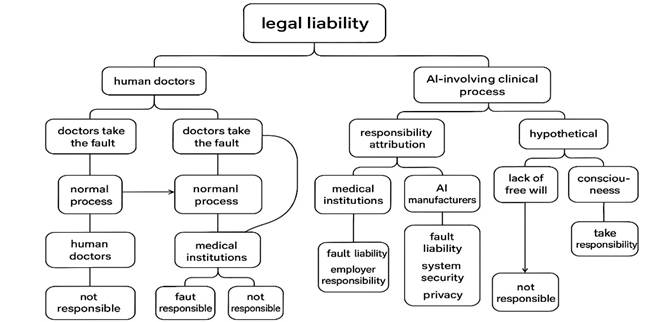
Figure 3. Legal Responsibility Distribution in Clinical Processes Involving Artificial Intelligence
In scenarios involving both doctors and AI systems, to whom and according to what responsibility is attributed is clearly categorized. A careful examination of the diagram shows that as the autonomy level of AI increases, the responsibility of developers may decrease; the lack of “free will” prevents AI from being considered a legal subject; and in cases of medical errors, responsibility is generally directed toward institutions or manufacturers.
8. Challenges and Limitations in Artificial Intelligence Technology and Large Language Models
These blistering improvements in the medical technology further change the practice of medicine. Artificial intelligence can be implemented in clinical practice to help in decision-making in clinical practice as well as to provide diagnostic support by converting the uncertainty and complexity of patient information to either recommendations or conclusions. Nevertheless, the moderate or successful introduction of AI-related technologies as non-human but collaborative members of a healthcare team highly depends on how much other users of these teams trust such systems. Trust is an idea which has mostly meant confidence in the dependability and reliability of a person or thing. We say that we use artificial intelligence when a computer process makes an optimum decision in computer terms using machine learning based models. Despite being essential in the adoption of artificial intelligence in critical decision-making situations, trust is considered a multidimensional factor that introduces suspicion and reluctance in the spread of this form of intelligence to health practitioners (Quinn et al., 2021). In conjunction with this, there is a need to address bias in AI application and realize fairness, reduce the hallucination problem where models generate invalid information, and define legal frameworks on the responsible use of large language models in the healthcare setting (Nazi & Peng, 2024).
The use of large language models in the healthcare sector has generated both excitement and concern. These models demonstrate a remarkable ability to provide competent responses to free-text queries by subtly understanding professional medical knowledge (Nazi & Peng, 2024). The use of large language models in healthcare introduces several fundamental issues that must be addressed to ensure the medical decision-making process mediated by artificial intelligence is effective, safe, and ethical. Despite the incredible clinical decision support, diagnostic, and research capacities of such models, significant issues remain concerning data privacy, security, model bias, and transparency. Since large language models rely on large databases that hold private patient information, robust security measures must be implemented to prevent breaches, misuse, and illegal access. Protecting patient trust and data privacy requires compliance with established legal regulations (Priya et al., 2025).
In technological infrastructure, incorporating applications of AI to the already available information technology systems is also a matter of concern. Efficiency and patient safety rely on the compatibility of AI systems with information technology infrastructure already in use by healthcare institutions (Rajkomar et al., 2019). Nevertheless, the availability of internet infrastructure, including internet connectivity in rural and underdeveloped areas, reduces the usefulness of healthcare apps with the assistance of AI (Topol, 2019). Moreover, technical investments involved in the functioning of AI systems in the sphere of medicine contain the work of powerful processors, data storing devices, and special algorithms (Jiang et al., 2017). Regarding institutional barriers, financial elements in the form of budgetary constraints and cost estimations emerge as the most important factors limiting the application of AI technologies in medical facilities. High capital outlay on adopting such technologies should have a closely measured payback with their long-term usefulness (Wilkins, 2018). In addition, potential AI uses of technology in healthcare are also challenged by several barriers, among the most spectacular being the lack of legal and moral frameworks (Quinn et al., 2021). In conclusion, the lack of proper instruction and orientation undermines the abilities of healthcare professionals to effectively use AI and do it safely, and that, in effect, contributes to the birth of mistrust in systems and technology (Şahin et al., 2024).
In spite of the fact that the potential of the artificial intelligence tools as well as the large language model tools are enormous in the healthcare sector, their use in a wide scale is accompanied by a number of complex issues in their integration. The constraints that surround technological infrastructure, security, legal systems, and user preparedness are some of the major challenges limiting the maintenance and improvement of the success of applications. Specifically, the reluctance of healthcare professionals to AI systems and insufficient training impedes the use of such technologies in clinical decision-making processes. Moreover, data privacy and bias are additional ethical issues that require in-charge use of large language models. To ensure the effective adaptation of artificial intelligence into healthcare services in the future, technical, ethical, and legal concerns can and should be considered on a holistic basis through multidisciplinary collaboration. In such a way, artificial intelligence technologies will not only enhance the quality of patient care, but also facilitate healthcare systems efficiencies.
9. Future Recommendations and Integration Strategies for Artificial Intelligence Technology and Large Language Models
Information technology is one field that has changed a lot, especially since the 2000s. In one way or another, all sectors have been touched by this change (Damar, 2022a). The swift evolution of information and communication technologies determine not only the sphere of their development, but it is also reflected in all other industries and has the potential to give birth to completely new industries. With the creation of new careers in fields that people could not imagine their existence decades ago, the development of new technologies provided new areas or spheres of work. However, other professions are now the thing of the past (Damar, 2022b). Nowadays, it seems highly likely that workers in most professions will undergo the same. More specifically, the recent revolution of the artificial intelligence technology/large language models is especially the strong indicator of such change. Artificial intelligence can be deemed as a ground-breaking technology that would transform the field of medicine (Das et al., 2016). What AI shows a promise of doing is processing and learning on large amounts of data and making connections people might not make. Such possibility and in particular its relation to the level of autonomy provided to AI applications has brought about concerns and questions of responsibility and risk (Langlotz, 2019). The situation is however solvable and what is currently being developed as solutions to this problem can still be enhanced. Moreover, AI tools and large language models also represent the potential to enhance patient outcomes, minimize errors in healthcare services delivery, streamline the healthcare system and reduce costs thus, augment overall value (Jiang et al., 2017).
The implementation of AI systems that would be acceptable by both caregivers and users of health systems can be tested within the framework of primary healthcare services. They may be helpful with the process of scheduling a patient, triage, and references (Johnson et al., 2016). AI can consider the existing schedules of medical workers and interview patients to choose suitable times when they can come to places. This has the potential to improve appointment schedule and decrease wait time. Furthermore, AI is able to analyze patient symptoms and medical conditions and sort out the cases. This will ensure that the identified emergency patients can be acted on quickly in case they need some kind of assistance. AI will also be able to answer questions about the health of the patient and refer them to appropriate medical workers, even specialists. Consequently, patients get appropriate and timely treatment and care (Rajkomar et al., 2019).
Utilizing artificial intelligence and large language models is accompanied by massive potential in the reformation of different processes across the healthcare industry; however, their effective deployment to deliver value requires specific essential strategies. The building of stronger technological infrastructure, investment into healthcare professional training, and the demystification of the legal part of the process should be of the most major concern in fully realizing the value of these technologies. As such, to be adopted by clinicians, AI systems will have to be incorporated with a design feature that would promise trust, transparency, reliability, and accuracy on the part of stakeholders. Also, AI would be capable of automating clinical and operational processes such as patient management, scheduling, and triage, making healthcare systems more efficient. AI systems will also make patients active partakers in their care paths, thus alleviating the workload on health professionals, and dependably hasten service rendering. However, it must first of all be an expansion of societal trust and legal, ethical, and financial barriers allied to an end to end digital modernization of health systems. Artificial intelligence-driven technologies hold the promise of making healthcare a medical practice with such new levels of quality whereas rendering healthcare many magnitudes more sustainable, accessible, and affordable.
10. Declarations
Acknowledgement
Not applicable
Funding
This research received no specific grant from any funding agency in the public, commercial, or not-for-profit sectors.
Authors` Contributions
All authors have participated in drafting the manuscript. All authors contributed equally to the manuscript and read and approved the final version of the manuscript.
Conflict of Interest
The authors certify that there is no conflict of interest with any financial organization regarding the material discussed in the manuscript.
Data Availability
This review is entirely dependent on previously published literature and does not incorporate any novel datasets. All data that support the findings of this study are available within the cited articles and publicly accessible databases.
Ethics Approval
No need for ethical committee approval.
Declaration of AI Usage
AI-assisted tools were employed in this study for minor tasks such as grammar correction, language refinement, and proofreading. These tools were used transparently and in a manner that does not compromise the authors’ intellectual contribution. The authors affirm that all substantive content reflects original thought and upholds academic integrity.
References
[1] Damar, M. (2025). Sağlık Sektöründe Karar Destek Araçları: İş Zekâsı, Makine Öğrenmesi, Derin Öğrenme ve Yapay Zeka Uygulamaları. İzmir Sosyal Bilimler Dergisi, 6(2), 90-115.[2] Çetinkol, A. E., Damar, M., & Benli, Z. (2023). Birinci basamak sağlık hizmetlerinde inovasyon neden önemli ve küresel literatür bize ne söylüyor. In A. Özen, & M. Damar (Eds), Dijital Dönüşüm ve Değişen Uygulamalar (ss. 579–612). İstanbul: Efe Akademi.
[3] Damar, M., & Özen, A. (2023). Dijital Dönüşümün Sektörel Etkisi: Güncel Literatür Doğrultusunda Kamu Sektörü, Sağlık Sektörü, Eğitim Sektörü, Bankacılık Sektörü ve Tarım Sektörleri Odağında Dijital Dönüşümün Analizi. In K. Tüğen, & E. Kızıltaş Uzunali (Eds.), Kamu Maliyesinde Yeni Kuramsal Yaklaşımlar ve Teknikler (pp.129-149). Ankara: İKSAD.
[4] Damar M., & Özdağoğlu, G. (2023). Hastane Operasyonlarında Dijital Dönüşüm İçin Robotik Süreç Otomasyonu ve Farklı Sektörel Uygulamaları. In A. Özen, & M. Damar (Eds), Dijital Dönüşüm ve Değişen Uygulamalar (pp.511-534). İstanbul: Efe Akademi.
[5] Miah, S. J. (2018). A demand-driven cloud-based business intelligence for healthcare decision making. In Health Care Delivery and Clinical Science: Concepts, Methodologies, Tools, and Applications (pp. 964979). IGI Global.
[6] Damar, M., Özen, A., Çakmak, Ü. E., Özoğuz, E., & Erenay, F. S. (2024a). Super AI, Generative AI, Narrow AI and Chatbots: An Assessment of Artificial Intelligence Technologies for The Public Sector and Public Administration. Journal of AI, 8(1), 83-106.
[7] Haenssle, H. A., Fink, C., Schneiderbauer, R., Toberer, F., Buhl, T., Blum, A., ... & Zalaudek, I. (2018). Man against machine: diagnostic performance of a deep learning convolutional neural network for dermoscopic melanoma recognition in comparison to 58 dermatologists. Annals of oncology, 29(8), 1836-1842.
[8] Arslan, M., & Kaya, S. (2023). Birinci basamak sağlık hizmetlerinde yapay zekanın rolü. Türk Aile Hekimliği Dergisi, 27(2), 112–119.
[9] Çalışkan, S. A., Karaca, O., & Demir, K. (2021). Sağlık Çalışanları Yapay Zekaya Hazır mı?. Sağlık Bilimlerinde Yapay Zeka Dergisi, 1(1), 35-35.
[10] Mijwel, M. M. (2016). Yapay Zekâ Nedir? access date: 11/07/2025. https://www.researchgate.net/publication/323292529_Yap%20ay_Zeka_Nedir
[11] Seçer, M. B. (2024). Sağlık alanında öğrenim gören üniversite öğrencilerinin sağlıkta yapay zekâ uygulamaları ve ChatGPT farkındalığı, yapay zekâ kullanımına yönelik görüşleri ve teknostres düzeylerinin incelenmesi: kesitsel bir çalışma. Turkiye Klinikleri Journal of Health Sciences, 9(4), 856-866.
[12] Özdemir, H., & Şahin, A. (2023). Dijital sağlık çözümlerinin entegrasyon dinamikleri. Tıp ve Teknoloji Araştırmaları, 8(3), 101–110.
[13] Demir, E. (2024). Büyük dil modelleri ve sağlık sektöründeki uygulamaları. Sağlık Bilişimi Dergisi, 12(1), 23–34.
[14] Yaslı, G., Alıcı, S., & Damar, M. (2025). Global research trends on the links between primary health care and diabetes from 1980 to 2024: a machine learning-based science mapping. Pamukkale Medical Journal, 18(4), 572-589.
[15] Kaplan, F. (2023). Sağlık hizmetlerinde ulusal stratejiler ve yapay zeka. Sağlık Politikaları ve Analiz Dergisi, 6(1), 15–25.
[16] Damar, M., da Trindade, T. G., & Pinto, A. D. (2025b). Scientific production in primary health care in Latin American and Caribbean Countries (1980–2024): A web of science perspective. Atencion Primaria, 57(9), 103224.
[17] Damar, M., Damar, H. T., Özbiçakci, Ş., Yasli, G., Erenay, F. S., Özdağoğlu, G., & Pinto, A. D. (2025a). Mapping intellectual structure and research hotspots of cancer studies in primary health care: A machine-learning-based analysis. Medicine, 104(12), e41749.
[18] Akarsu, N., & Gökmen, E. (2024). Klinik karar destek sistemlerinde yapay zekâ uygulamaları. Sağlık Yönetimi ve Stratejiler Dergisi, 11(2), 78–85.
[19] Şen, B., & Taş, R. (2023). Hasta iletişiminde yapay zeka destekli araçlar. Medikal İletişim Dergisi, 5(4), 54–62.
[20] Cath, C. (2018). Governing artificial intelligence: ethical, legal and technical opportunities and challenges. Philosophical Transactions of the Royal Society A: Mathematical, Physical and Engineering Sciences, 376(2133), 20180080.
[21] Mahomed, S. (2018). Healthcare, artificial intelligence and the Fourth Industrial Revolution: Ethical, social and legal considerations. South African Journal of Bioethics and Law, 11(2), 93-95.
[22] Rosemann, A., & Zhang, X. (2022). Exploring the social, ethical, legal, and responsibility dimensions of artificial intelligence for health-a new column in Intelligent Medicine. Intelligent Medicine, 2(02), 103-109.
[23] Demir, O., & Yılmaz, A. (2021). Sağlıkta malpraktis ve sigorta uygulamaları. Hukuk ve Sağlık Dergisi, 3(2), 67–75.
[24] Demir, E., & Çelik, Ö. (2023). Birinci basamakta AI pilot projelerinin değerlendirilmesi. Birinci Basamak Sağlık Dergisi, 10(1), 22–31.
[25] Yıldız, F., & Peker, L. (2024). Teknolojik olgunluk düzeyi ölçütleri: Sağlık hizmetlerinde olgunluk modelleri. Sağlık Teknoloji Yönetimi Dergisi, 4(1), 14–27.
[26] Erkan, İ., & Uslu, D. (2022). Yapay zekâ ve etik boyutları. İnsan ve Toplum Bilimleri Dergisi, 1(1), 40–55.
[27] Sapci, A. H., & Sapci, H. A. (2020). Artificial intelligence education and tools for medical and health informatics students: systematic review. JMIR Medical Education, 6(1), e19285.
[28] Palaniappan, K., Lin, E. Y. T., & Vogel, S. (2024). Global regulatory frameworks for the use of artificial intelligence (AI) in the healthcare services sector. Healthcare, 12(5), 562.
[29] Damar, M., Aydın, Ö., Özoğuz, E., Aydın, Ü., & Özen, A. (2024b). Turkish court of accounts: Analyzing financial audit, digitalization, AI impact. EDPACS, 69(9), 16-40.
[30] Damar, M., Özdağoğlu, G., & Özdağoğlu, A. (2018). İş zekasını ve ilgili teknolojileri konu alan araştırmalara küresel ölçekte bilimetrik bakış. Bilgi Ekonomisi ve Yönetimi Dergisi, 13(2), 197-217.
[31] Damar, M, Özdağoğlu, G., & Saso, L. (2022). Designing a business intelligence-based monitoring platform for evaluating research collaborations within university networks: the case of UNICA - the Network of Universities from the Capitals of Europe. Information Research, 27(4), paper 945.
[32] Birinci, Ş., Sıddıkoğlu, D., & Aktaş Ökçe, H. (2018). Sağlık Alanında Karar Destek Sistemleri Modeli Ve Iş Zekâsı Çözümleri. Sağlıkta Diitalleşme. https://www.medipol.edu.tr/sites/default/files/document/SD_46_12-13.sayfalar_Suayip_Birinci_Duygu_Siddikoglu_Hatice_Aktas_Gokce_0.pdf, Access Date: 7, June 2025
[33] Damar, M., Özen, A., & Yılmaz, A. (2024c). Cybersecurity in The Health Sector in The Reality of Artificial Intelligence, And Information Security Conceptually. Journal of AI, 8(1), 61-82.
[34] Günay, Ö., & Demirci, A. (2021). Tanı destek sistemlerinin birinci basamakta kullanımı. Aile Hekimliği Dergisi, 25(3), 145–152.
[35] Öztürk, M., & Yücel, B. (2022). Görüntü işleme teknolojilerinin radyolojik teşhiste rolü. Türk Radyoloji Dergisi, 30(4), 200–209.
[36] Kara, S., & Eren, P. (2023). Elektronik sağlık kayıtlarına yapay zekâ entegrasyonu: Fırsatlar ve zorluklar. Sağlık Bilişimi Dergisi, 15(2), 50–60.
[37] Şahin, H., & Tosun, C. (2023). Sağlıkta prediktif analitik uygulamaları ve veri madenciliği. Bilişim Teknolojileri ve Sağlık Dergisi, 7(1), 33–44.
[38] Cascella, M., Montomoli, J., Bellini, V., & Bignami, E. (2023). Evaluating the feasibility of ChatGPT in healthcare: an analysis of multiple clinical and research scenarios. Journal of medical systems, 47(1), 33.
[39] Kung, T. H., Cheatham, M., Medenilla, A., Sillos, C., De Leon, L., Elepaño, C., ... & Tseng, V. (2023). Performance of ChatGPT on USMLE: Potential for AI-assisted medical education using large language models. PLOS Digital Health, 2(2), e0000198.
[40] Jeblick, K., Schachtner, B., Dexl, J., Reepschlager, L., Casola, F., Nörenberg, D., ... & Ricke, J. (2022). ChatGPT Makes Medicine Easy to Swallow: An Exploratory Case Study on Simplified Radiology Reports. arXiv preprint arXiv:2212.14882.
[41] Aydın, Ö., & Karaarslan, E. (2022). OpenAI ChatGPT Generated Literature Review: Digital Twin in Healthcare. In Ö. Aydın (Ed.), Emerging Computer Technologies 2 (pp. 22-31). İzmir Akademi Dernegi.
[42] Nori, H., King, N., McKinney, S. M., Carignan, D., & Horvitz, E. (2023). Capabilities of GPT-4 on Medical Challenge Problems. arXiv preprint arXiv:2303.13375.
[43] Yuan, M., Bao, P., Yuan, J., Shen, Y., Chen, Z., Xie, Y., ... & Dong, B. (2024). Large language models illuminate a progressive pathway to artificial intelligent healthcare assistant. Medicine Plus, 100030.
[44] Luo, R., Sun, L., Xia, Y., Qin, T., Zhang, S., Poon, H., & Liu, T. Y. (2022). BioGPT: Generative Pre-trained Transformer for Biomedical Text Generation and Mining. arXiv preprint arXiv:2210.10341
[45] Yang, X., Zhang, Y., He, Z., Xie, T., & Liu, S. (2022). GatorTron: A large language model for clinical natural language processing. npj Digital Medicine, 5(1), 140.
[46] Keleş, Ş., Erimez, B., Tarım, A., & Tekin, H. C. (2024). Yapay Zekânın Sağlık Hizmetlerindeki Yeri. Turkiye Klinikleri Family Medicine-Special Topics, 15(5), 31-35.
[47] Busch, F., Prucker, P., Komenda, A., Ziegelmayer, S., Makowski, M. R., Bressem, K. K., & Adams, L. C. (2025). Multilingual feasibility of GPT-4o for automated Voice-to-Text CT and MRI report transcription. European Journal of Radiology, 182, 111827.
[48] Li, J., Zhou, Z., Lyu, H., & Wang, Z. (2025). Large language models-powered clinical decision support: enhancing or replacing human expertise?. Intelligent Medicine, 5(1), 1-4.
[49] Andrew, A. (2024). Potential applications and implications of large language models in primary care. Family Medicine and Community Health, 12(Suppl 1), e002602.
[50] Nashwan, A. J., & Abujaber, A. A. (2023). Leveraging large language models to improve triage accuracy in emergency departments. Journal of Emergency Nursing, 49(5), 651-653.
[51] Topol, E. J. (2019). High-performance medicine: the convergence of human and artificial intelligence. Nature Medicine, 25(1), 44–56.
[52] Priya, N.M., Praveen, S.P., Balagoni, Y., Tirumalesetti N.R., Shariff, V., & Naidu, U.G. (2025). Revolutionizing Healthcare with Large Language Models: Advancements, Challenges, And Future Prospects in AI-Driven Diagnostics and Decision Support. Journal of Theoretical and Applied Information Technology, 103(9), 3638-3662.
[53] Wong, A., Otles, E., Donnelly, J. P., Krumm, A., McCullough, J., & DeTroyer-Cooley, O. (2020). Development and validation of an artificial intelligence–based automated medical coding system. JAMA Network Open, 3(12), e2027580.
[54] Liu, X., Zhang, Y., Chen, X., & Wang, Y. (2022). AI-assisted scheduling and appointment systems in healthcare: A systematic review. International Journal of Medical Informatics, 158, 104709.
[55] Nguyen, T. T., Vu, H. T., & Nguyen, H. N. (2024, December). Security, Privacy, and Ethical Challenges of Artificial Intelligence in Large Language Model Scope: A Comprehensive Survey. In 2024 1st International Conference on Cryptography and Information Security (VCRIS) (pp. 1-6). IEEE.
[56] Alkamli, S., Al-Yahya, M., & Alyahya, K. (2024, November). Ethical and Legal Considerations of Large Language Models: A Systematic Review of the Literature. In 2024 2nd International Conference on Foundation and Large Language Models (FLLM) (pp. 576-586). IEEE.
[57] Nazi, Z. A., & Peng, W. (2024, August). Large language models in healthcare and medical domain: A review. Informatics, 11(3),57.
[58] Alpkoçak, A. (2024). Sağlıkta Açıklanabilir Yapay Zekâ. TOTBİD Dergisi, 23, 18-19.
[59] Kaplan, M., Çakar, F., & Bingöl, H. (2024). Sağlık Alanında Yapay Zekanın Kullanımı: Derleme. Muş Alparslan Üniversitesi Sağlık Bilimleri Dergisi, 4(3), 75-85.
[60] Köse, F., & Yılmaz, D. (2023). Büyük dil modellerinin sağlık hizmetlerindeki kullanımı ve güvenlik riskleri. Sağlık Bilişimi Dergisi, 15(1), 25-33.
[61] Demir, B., & Kara, H. (2022). Birinci basamak sağlık hizmetlerinde yapay zeka uygulamalarında veri gizliliği. Sağlık Yönetimi ve Teknolojileri, 9(2), 112-120.
[62] Chen, A., Wang, C., & Zhang, X. (2023). Reflection on the equitable attribution of responsibility for artificial intelligence-assisted diagnosis and treatment decisions. Intelligent Medicine, 3(02), 139-143.
[63] Gan, S. P. (2017). How can robots have rights. Eth Res, 3, 126-130.
[64] Sparrow, R. (2007). Killer robots. Journal of applied philosophy, 24(1), 62-77.
[65] Zhang, J., & Zhang, Z. M. (2023). Ethics and governance of trustworthy medical artificial intelligence. BMC medical informatics and decision making, 23(1), 7.
[66] Quinn, T. P., Senadeera, M., Jacobs, S., Coghlan, S., & Le, V. (2021). Trust and adoption of AI in clinical settings: a multi-dimensional challenge. Journal of Medical Systems, 45(5), 1-10.
[67] Rajkomar, A., Dean, J., & Kohane, I. (2019). Machine learning in medicine. The New England Journal of Medicine, 380(14), 1347-1358.
[68] Jiang, F., Jiang, Y., Zhi, H., et al. (2017). Artificial intelligence in healthcare: past, present and future. Stroke and Vascular Neurology, 2(4), 230-243.
[69] Wilkins, C. H. (2018). Trust in artificial intelligence for healthcare: ethical considerations. The American Journal of Bioethics, 18(11), 3-7.
[70] Şahin, A., Demirtaş, Y., & Korkmaz, Z. (2024). Birinci basamakta yapay zekâ sistemlerinin etik ve güvenlik boyutları. Sağlık Teknolojileri Araştırmaları, 10(1), 78-85.
[71] Damar, M. (2022a). Dijital Dünyanın Dünü, Bugünü Ve Yarını: Bilişim Sektörünün Gelişimi Üzerine Değerlendirme. Nevşehir Hacı Bektaş Veli Üniversitesi SBE Dergisi, 12(Dijitalleşme), 51-76.
[72] Damar, M. (2022b). Dijital çağda bilişim sektörünün ihtiyacı olan yetkinlikler üzerine bir değerlendirme. Journal of Information Systems and Management Research, 4(1), 25-40.
[73] Damar, M., & Çiçek, O. (2023). Kavramsal Olarak Dijital Dönüşüm ve Sağlık Sektörüne Yansımaları. In A. Özen, & M. Damar (Eds), Dijital Dönüşüm ve Değişen Uygulamalar (pp. 487-510). İstanbul: Efe Akademi.
[74] Das R. (2016). Five Technologies That Will Disrupt Healthcare By 2020. Forbes. Access Date: https://www.forbes.com/sites/reenitadas/2016/03/30/top-5-technologies-disrupting-healthcare-by-2020/
[75] Langlotz, C. P. (2019). Will artificial intelligence replace radiologists?. Radiology: Artificial Intelligence, 1(3), e190058.
[76] Johnson, A. E., Pollard, T. J., Shen, L., Lehman, L. W. H., Feng, M., Ghassemi, M., ... & Mark, R. G. (2016). MIMIC-III, a freely accessible critical care database. Scientific data, 3(1), 1-9.
Author information
Authors and Affiliations
Corresponding author
Copyright information
CC-BY