

Abstract
Agentic AI-Driven Swarm Drones for Adaptive Wildfire Disaster Control and Prediction
Keywords
Agentic AI, Agentic AI-Driven, Swarm Drones, Adaptive Wildfire Disaster, Disaster Control, Disaster Prediction
1. Introduction
Wildfires and large-scale fire disasters are increasingly constituting global challenges in recent years. Recent fire incidents across Australia, California, Canada, Greece and several regions of Africa demonstrate how rapidly evolving fire dynamics can overwhelm conventional emergency response systems. The issues are constant threats to ecosystems, critical infrastructure, economic assets and human lives. The increasing frequency and intensity of wildfire disasters have been linked to climate change, prolonged droughts, rising temperatures, expanding urbanization and unpredictable weather patterns. These factors usually contribute to highly dynamic and uncertain nature of wildfire environments [1-4]. Consequently, traditional wildfire monitoring, forecasting and suppression approaches are often unable to provide the speed, adaptability and coordination required for effective disaster management.
Recent advances in autonomous robotics and Artificial Intelligence (AI) have created new opportunities for developing intelligent wildfire disaster response systems. Autonomous drones have emerged as a promising technology for wildfire suppression under uncertain and dynamic conditions [8]. Drones are unmanned aerial vehicles (UAVs) for conducting real-time environmental monitoring, hazard detection, communication relaying and fire suppression support. However, the effectiveness of individual autonomous drones remains limited when confronted with large-scale and rapidly changing wildfire scenarios. As a result, research attention has increasingly shifted toward swarm-based drone ecosystems whereby multiple autonomous agents can collaboratively perceive environmental conditions, coordinate their actions without collision and adapt to evolving operational requirements [4].
Agentic Artificial Intelligence, otherwise known as Agentic AI, has also emerged as a significant advancement in the development of autonomous cyber-physical systems [5-6]. Agentic AI enables autonomous entities to sense, analyze, strategize (or develop action plans), coordinate their individual and collective objectives, adapt and schedule tasks based on their experience with little or no human intervention. These unique characteristics have made Agentic AI models suitable for wildfire management. Meaning that they can continuously adapt to uncertain ignition patterns, changing weather conditions, resource constraints and safety-critical operational requirements.
Several studies have shown that multi-agent reinforcement learning (MARL) can further strengthen the performance of Agentic AI systems [7]. RL-based agents usually learn optimal decision policies through their interactions with dynamic environments and are considerable useful in enhancing autonomous navigation, robotic coordination and collaborative control of multi-agent drones. The crux of the above possibilities of handling wildfire management is that future Agentic AI systems can adopt several deep learning architectures to enhance the cognitive capabilities of agents and achieve effective attention mechanisms [9]. The premise is that such capabilities can be valuable for wildfire prediction and suppression especially if fire behavior is influenced by complex interactions of factors (e.g. terrain characteristics, meteorological conditions, vegetation density and suppression interventions). Nonetheless, significant research challenges remain despite the above advances. Most of the studies on autonomous wildfire management often focus on isolated aspects of the problem such as wildfire detection, path planning, swarm coordination and suppression optimization. Furthermore, many investigations only evaluated AI models within limited operational conditions. This makes it difficult to adapt such solutions to diverse wildfire scenarios. Consequently, there remains insufficient empirical evidence regarding the comparative performance of conventional reinforcement learning approaches and Transformer-based reinforcement learning architectures when integrated into hybrid solutions for adaptive wildfire suppression and disaster prediction. Critical challenges like dynamic resource allocation, communication uncertainty, incomplete environmental information, aerial collision avoidance and long-range fire propagation dependencies continue to severely limit the practical deployment of most of the existing intelligent autonomous firefighting systems.
Therefore, the aim of this chapter is to explore the architectural selection and evaluation of reinforcement learning (RL) methods for agentic AI-driven swarm drone systems when applied to adaptive wildfire disaster control and prediction. The objective is to identify suitable multi-agent reinforcement learning (MARL) architectures that can effectively support coordinated swarm behavior in dynamic and uncertain wildfire environments to assist engineering decision makers. However, a central challenge in this domain is to achieve alignment between reward maximization and actual fire suppression performance with an acceptable tradeoff. Therefore, this chapter would further establish a strong correlation between reward signals and physical wildfire suppression effectiveness that can inform reliable deployment in real-world wild disaster scenarios while also addressing the above limitations,
Developed using Python language, the proposed framework provides a scalable experimental platform for investigating adaptive autonomous behavior in realistic wildfire management scenarios. The framework is built upon a hierarchical five-layer cognitive architecture. These interconnected layers collectively support safe navigation, coordinated swarm intelligence, predictive situational awareness and real-time adaptive decision-making during wildfire suppression operations. To evaluate the effectiveness of the proposed framework, a comprehensive comparative analysis of Deep Q-Network (DQN), Proximal Policy Optimization (PPO), Advantage Actor-Critic (A2C), Multi-Agent Deep Deterministic Policy Gradient (MADDPG), Multi-Agent Proximal Policy Optimization (MAPPO) and Transformer-based Reinforcement Learning architectures is conducted across diverse wildfire suppression and disaster prediction scenarios. The premise is that such findings can provide invaluable insights into the engineering design of next-generation Agentic AI systems required for swarm-based autonomous disaster management ecosystems. Beyond the technical architecture, this chapter also examines the regulatory, ethical and policy considerations necessary for the safe, responsible and effective deployment of Agentic AI-driven autonomous systems within future emergency response ecosystems.
The major contributions of this chapter are summarized as follows: This chapter proposes a novel autonomous wildfire management framework that integrates multi-drone swarm intelligence, transformer-based reinforcement learning cognition, federated edge intelligence, satellite weather coupling, digital twin wildfire simulation, collision-free coordination and dynamic resource optimization within a unified disaster response architecture. Secondly, the chapter develops a five-layer cognitive architecture for collision avoidance, environmental perception, collaborative swarm planning, adaptive suppression reasoning and Transformer attention-based forecasting to achieve safe navigation, cooperative decision-making, predictive situational awareness and real-time adaptive response. The comparative analysis of DQN, PPO, A2C, MADDPG, MAPPO and Transformer-based RL models across diverse wildfire control and prediction scenarios establishes that MAPPO is the strongest RL architecture for reward-driven swarm coordination while Transformer-based approach is the best architecture for task-level fire suppression effectiveness. The study examines the regulatory, ethical and operational challenges associated with deploying autonomous swarm drones in realistic wildfire’s control environments. The remainders of this chapter are as follows: Section 2 presents the literature review from the evolution of Agentic AI to the architecture, ethical, regulatory and societal concerns about Agentic AI systems. Section 3 discusses the methodology for conducting the research reported in this chapter, chapter 4 presents the results obtained while chapter 5 concludes the chapter.
2. Literature Review
The evolution of Artificial Intelligence (AI) has progressed from rule-based expert systems and supervised machine learning models toward autonomous and adaptive intelligent systems. Agentic AI has a new paradigm that is undergoing significant evolution in the current age [6]. This domain of AI has transitioned from simple rule-based autonomous systems to advanced intelligent agents with different inbuilt capabilities and performance when subjected to complex or dynamic environmental settings.
2.1. Evolution of Agentic AI in the Age of Autonomy
Early AI systems were designed to perform predefined tasks within structured environments. They required significant human intervention for navigation, decision-making and robotic control. These systems demonstrated remarkable capabilities in pattern recognition, classification and prediction but their ability to operate independently in dynamic and uncertain environments remained limited. Advances in Machine Learning (ML), Reinforcement Learning (RL), cognitive architectures, Large Language Models (LLMs), multi-agent systems and autonomous robotics have recently transformed Agentic AI into a new paradigm of intelligent autonomy [5]. This evolution is characterized by goal-driven behavior and collaborative problem-solving. The possess capability to perform continuous reasoning, environmental monitoring and adaptive interactive tasks with digital and physical environments.
Studies have shown the growing adoption of Agentic AI and how they were integrated with autonomous robotics, Internet of Things (IoT) ecosystems, edge computing and large-scale Machine Learning (ML) architectures. Researchers have explored Agentic capabilities in the domains that span autonomous vehicles, smart manufacturing, healthcare, cyber security, logistics and disaster management. In such application areas, these intelligent agents are constrained to operate under autonomously coordinated tasks and collaborate with other agents. While some of these studies believed that Agentic AI has immense opportunities, significant number of them raised concerns regarding its regulatory issues [11].
2.2 Integrated Architectures for Agentic AI Frameworks
More recently, the integration of transformer-based architecture, multi-agent reinforcement learning and swarm intelligence has expanded the capabilities of Agentic AI systems. These technologies enable Agentic AI to be increasingly viewed from the perspective of a foundational technology for the next-generation autonomous cyber-physical systems. To the best of our knowledge, most studies only contrasted Agentic AI paradigm with AI-based framework and Machine Language models without rigorous experimental quantification [7]. AI-based object detection model has been proposed to improve on-site incident command and accountability in fire response system. The model utilized images of fire grounds to train YOLOv4 simulator. Preliminary results indicated that AI can be integrated with emergency management equipment such as cameras and drones [4].
Furthermore, the above evolution has significant implications for disaster response applications. Essentially, they particularly elucidate the fact that wildfire management can tremendously benefits from autonomous swarm drones that can leverage on the effectiveness of Agentic AI systems to support real-time monitoring, predictive forecasting and adaptive fire suppression operations. Studies have also demonstrated that traditional fire disaster response systems are constrained by centralized decision-making, delayed situational awareness and limited adaptability under uncertain conditions [9]. Despite the fact that Agentic AI has emerged to address the above limitations, little is known about the technical opportunity of integrating RL, MARL, transformers and swarm intelligence to design agentic drones to tackle the above challenges. Besides, previous studies have not adequately addressed the convergence of AI cognition, robotics and real-world deployment of autonomous swarm drones within fire disaster environments [11]. Hence, this chapter introduces the next-generation of intelligent wildfire suppression ecosystem integrating multi-drones with several architectural settings together.
3. The Architecture of Agentic AI-Driven Fire Suppression Systems
A simplified systems architecture of the proposed framework is illustrated in Figure 1. The architecture follows a hierarchical intelligence flow such that environmental information is first acquired and modeled and subsequently processed through autonomous cognitive mechanisms.
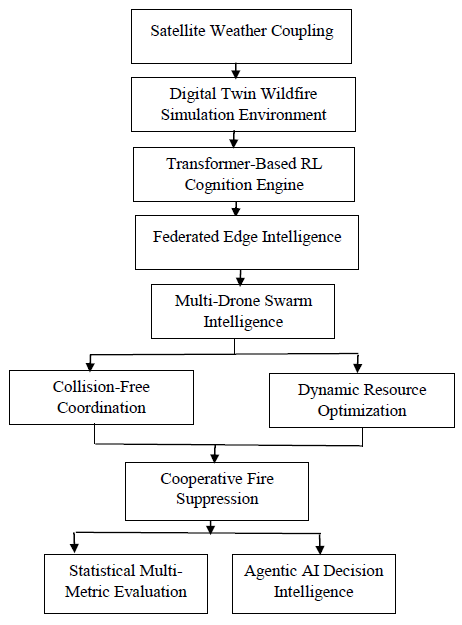
Figure 1: Agentic AI-Drone Systems-architecture diagram
The information is finally transformed into coordinated fire suppression actions that are evaluated for effectiveness and transparency.
Satellite Weather Coupling
The operational process begins with Satellite Weather Coupling. This component is meant to continuously acquire meteorological information such as temperature, humidity, wind speed and wind direction from remote sensing platforms. These environmental variables provide critical information for the system to understand wildfire behavior and predicting potential fire propagation patterns.
Digital Twin Wildfire Simulation Environment
The weather information is integrated into a Digital Twin Wildfire Simulation Environment that creates a virtual representation of the physical wildfire ecosystem. This digital replica enables scenario analysis, fire spread forecasting, risk assessment and the testing of suppression strategies before their deployment in real-world operations.
Transformer-Based Reinforcement Learning Cognition Engine
The simulated and real-time environmental information is processed by the Transformer-Based Reinforcement Learning Cognition Engine. The system combines reinforcement learning with attention-based transformer architecture to learn adaptive decision policies, captures long-range environmental dependencies and generates intelligent suppression strategies under uncertain conditions. This layer comprise collision avoidance cognition, environmental perception, collaborative swarm planning, adaptive suppression reasoning and Transformer attention-based forecasting. These interconnected layers collectively support safe navigation, coordinated swarm intelligence, predictive situational awareness and real-time adaptive decision-making during wildfire suppression operations.
Federated Edge Intelligence
The framework incorporates Federated Edge Intelligence to support distributed learning and scalable deployment. This component enables drones to locally process operational data and collaboratively update shared learning models without transferring sensitive information to a centralized server. It ultimately enables the system to reduce communication overhead and improve real-time responsiveness.
Multi-Drone Swarm Intelligence
The learned knowledge is subsequently utilized by the Multi-Drone Swarm Intelligence layer. This component is made up of multiple autonomous drones that operate collectively. The swarm can efficiently monitor large wildfire regions and coordinate suppression activities through distributed communication and collaborative decision-making.
Collision-Free Autonomous Coordination
Collision-Free Autonomous Coordination mechanisms ensure safe navigation of the multiple drones through intelligent path planning, obstacle avoidance and inter-drone coordination strategies as they individually operate within a shared airspace. This minimizes operational risks while maintaining swarm efficiency.
Dynamic Resource Optimization
Dynamic Resource Optimization continuously allocates available drones, suppression resources, battery capacity and mission priorities according to evolving wildfire conditions. This simultaneously ensures efficient resource utilization and maximizes operational effectiveness.
Cooperative Fire Suppression Planning and Execution
Information generated from swarm coordination, collision avoidance mechanism and resource optimization converges within the Cooperative Fire Suppression Planning and Execution layer. In this case, the swarm collectively identifies priority fire zones, develops containment strategies, assigns suppression tasks and executes adaptive interventions (such as pump down water) to minimize fire spread and environmental damage.
Statistical Multi-Metric Evaluation
The effectiveness of suppression operations is assessed through Statistical Multi-Metric Evaluation. This component measures performance across multiple indicators, including the suppression efficiency, response time, prediction accuracy, resource utilization, coordination effectiveness and operational safety.
Agentic AI Decision Intelligence
The Agentic AI Decision Intelligence provides interpretable explanations for autonomous actions and recommendations generated by the system to enhance transparency and trustworthiness of the system. This capability supports accountability, human oversight and regulatory compliance while improving stakeholder confidence in Agentic AI-driven wildfire management systems.
4. Architectural Considerations in Multi-Agent RL for Disaster Management
This research emphasizes the importance of selecting suitable Multi-Agent Reinforcement Learning (RL) architectures capable of learning coordinated swarm strategies, exploiting inter-agent dependencies, scaling effectively under dynamic and observable fire environments as well as supporting decentralized execution with centralized training. Such architectures are essential for enabling emergent cooperation among drones in complex disaster response scenarios.
4.1. The importance of selecting suitable Multi-Agent RL architectures
The importance of selecting suitable Multi-Agent RL architectures for constructing Agentic AI-driven swarm drones for adaptive fire disaster control and prediction cannot be overemphasized. Appropriate architectural selection determines not only the learning stability and convergence behavior of the system but it also delineates the extent to which autonomous agents can develop coordinated strategies in highly dynamic and partially observable wildfire environments. Knowledge of suitable architectural compositions can guide engineers in the timely design and deployment of effective solutions that can balance deployment deadline, real-time responsiveness, scalability and efficient coordination of multiple drone agents operating under uncertainty.
Practically, different RL architectures encode different assumptions about agent interaction, information sharing and policy optimization. For this reason, the choice between value-decomposition approaches, single-agent methods and centralized training with decentralized execution frameworks directly influences swarm adaptability and operational robustness. Well-informed architectural selection enables software engineers to align algorithmic capabilities with environmental demands like rapid fire spread, spatially distributed hazards and communication constraints.
Moreover, selecting a suitable architecture plays a critical role in ensuring that learned policies generalize effectively and seamlessly from simulation environments to real-world disaster scenarios during deployment. For example, this can include the need to maintain stable coordination under sensor noise, dynamic wind conditions and incomplete situational awareness. Consequently, architectural decisions become a foundational design factor that can bridge the gap between theoretical reinforcement learning performance and practical emergency response effectiveness. In essence, careful consideration of suitable Multi-Agent RL architectures would not only improve reward optimization but also enhance mission-critical outcomes (e.g. fire containment efficiency and swarm safety). For these reasons, architectural selection is a central requirement for the development of reliable, scalable and deployment-ready Agentic AI wildfire response systems.
4.2. Reinforcement learning architectures for fire disaster management system
Reinforcement learning (RL) in disaster management applications can enable intelligent agents to learn optimal policies and deliver efficient mission-critical services. Several RL architectures have demonstrated potential for autonomous disaster management but each of them offer distinct advantages and limitations. This chapters critically examines the suitability of the following RL architectures for designing Agentic AI fire disaster management applications:
Deep Q-Network (DQN)
Deep Q-Networks (DQN) combine Q-learning with Deep Neural Networks to approximate action-value functions in complex environments. DQN can be utilized to enable autonomous drones to learn navigation policies, identify high-risk fire zones and determine appropriate suppression actions based on environmental observations. The primary strength of DQN lies in its ability to learn effective decision policies from high-dimensional state representations without necessarily requiring explicit environmental models.
DQN is relatively simple to implement and has demonstrated strong performance in discrete decision-making tasks. However, it is primarily designed for discrete action spaces and not for continuous control problems that are often encountered in drone operations. Furthermore, the performance of DQN may deteriorate in highly dynamic multi-agent environments due to instability and limited scalability.
Proximal Policy Optimization (PPO)
Proximal Policy Optimization (PPO) is a policy-gradient reinforcement learning algorithm. It is designed to improve on the training stability issues associated with the DQN through constrained policy updates. PPO can support adaptive drone navigation, fire containment planning and resource allocation under uncertain environmental conditions in the above settings [13].
A major advantage of PPO is its stable learning process. PPO also has the capability to handle continuous action spaces effectively. It has demonstrated strong performance in robotics, autonomous navigation and complex control tasks. Additionally, it is computationally efficient and relatively robust to hyperparameter selection. Nevertheless, models that adopt PPO as architectural layer can require substantial training data and computational resources. This issue usually limits its usefulness in large-scale disaster environments that involve multiple interacting agents.
Advantage Actor-Critic (A2C)
Advantage Actor-Critic (A2C) combines policy-based and value-based learning through separate actor and critic networks [10]. The actor determines actions while the critic subsequently evaluates the performance of the policy. A2C can facilitate adaptive route planning, real-time decision-making and dynamic suppression strategy selection in varying fire suppression scenarios.
The architecture benefits from lower variance during policy learning. Its improved convergence makes the A2C a superior architecture to the traditional policy-gradient methods. A2C has the ability to balance exploration and exploitation tasks. This strength makes it suitable for uncertain disaster environments. However, A2C may experience instability in highly complex environments. It can generally exhibit lower sample efficiency than some of the advanced policy optimization methods such as PPO.
Multi-Agent Deep Deterministic Policy Gradient (MADDPG)
Multi-Agent Deep Deterministic Policy Gradient (MADDPG)extends Deep Deterministic Policy Gradient (DDPG) to multi-agent environments through centralized training and decentralized execution. This architecture is particularly relevant for wildfire suppression operations involving coordinated drone swarms. The principal advantage of MADDPG is its ability to model interactions among multiple autonomous agents while supporting continuous action spaces. It can enable drones to learn coordinated surveillance, distributed resource allocation and collaborative fire containment. However, MADDPG usually suffers from scalability challenges as the number of agents increases. Training complexity can also become a significant issue in highly dynamic environments that is characterized by uncertain communication and rapidly evolving fire outbreak.
Multi-Agent Proximal Policy Optimization (MAPPO)
Multi-Agent Proximal Policy Optimization (MAPPO)is an extension of PPO to form cooperative multi-agent settings. It has gained increasing attention for large-scale swarm intelligence applications in recent years. MAPPO can facilitate coordinated decision-making among multiple drones when they jointly engage in surveillance, fire prediction and suppression missions during wildfire management. MAPPO inherits PPO's training stability and further introduces mechanisms that improve cooperation among multiple agents.
The algorithm can demonstrate strong scalability, robust performance and improved adaptability if it is properly implemented in complex multi-agent environments. These characteristics make MAPPO highly suitable for autonomous swarm firefighting systems. Nevertheless, it may require substantial computational resources and extensive training time to achieve optimal performance in large-scale disaster scenarios.
Transformer-Based Reinforcement Learning
Transformer-based Reinforcement Learning integrates attention mechanisms from transformer architectures with reinforcement learning frameworks. Transformer-based agents can maintain long-range contextual awareness and capture complex spatial-temporal dependencies. This enables the architectures to enable autonomous drones to analyze evolving fire propagation patterns, weather dynamics, terrain characteristics and historical operational information simultaneously. This ability can support predictive reasoning, adaptive forecasting and strategic resource allocation. Transformer-based architectures are particularly valuable in wildfire environments where decisions depend on long-term environmental interactions and large-scale spatial relationships are involved.
The primary strengths of transformer-based RL include improved contextual understanding, enhanced adaptability, superior temporal reasoning and stronger predictive capabilities [12]. However, these models are computationally intensive and often demand substantial processing power, large-scale training datasets and extended training episodes to achieve optimal performance. Their practical deployment may therefore present significant challenges, especially in real-time and resource-constrained edge computing environments. Furthermore, the complexity of configuring, optimizing and integrating these architectures into autonomous drone platforms can hinder scalability, increase implementation costs and affect system responsiveness during time-critical disaster management operations.
4.3. Comparative Analysis of Reinforcement Learning Architectures
This section presents a comparative analysis of the selected reinforcement learning architectures. The section also focuses on their effectiveness in reward optimization, swarm coordination and fire suppression performance within an agentic AI-driven drone environment to achieve adaptive fire disaster control and prediction. The objective is to carefully evaluate the strengths, limitations and practical suitability of each architecture for enabling intelligent, cooperative and safety-critical wildfire response operations.
While DQN, PPO and A2C can provide robust foundations for autonomous decision-making and policy learning, their effectiveness can be limited in highly collaborative wildfire scenarios that require large-scale coordination among multiple drone agents. Thus, MADDPG and MAPPO are designed to incorporate cooperative multi-agent learning mechanisms, enable more effective communication, coordination and collective decision-making within swarm environments. Transformer-based reinforcement learning further enhances the above capabilities. It incorporates attention mechanisms to effectively process and respond to distributed environmental observations. This makes it possible to enhance adaptive decision-making in dynamic wildfire environments [14]. Consequently, a critical evaluation of the above architectures within realistic wildfire suppression scenarios is essential for identifying the most suitable cognitive framework for Agentic AI-driven swarm drone ecosystems and for determining how architectural design influences the balance between reward optimization, coordinated swarm behavior and real-world fire suppression effectiveness.
4.4. Visualizing the Agentic AI Fire Suppression System
The execution of the Agentic AI-driven fire suppression simulation progresses through a sequence of coordinated decision-making and suppression stages. Suppose, a simulated wildfire environment consists of five autonomous drones. They can be represented as:
D={D1, D2, D3, D4, D5 }
where each drone Di is characterized by:
Di (t) = { pi(t), vi(t), bi(t), wi(t), fi(t) }
where:
pi(t) = (xi,yi) = position in the wildfire grid
vi(t) = velocity
bi(t) = battery level
wi(t) = water reserve
fi(t) = local fire intensity observed by drone i
The spatial movement of each drone across the wildfire environment can be modeled as:
pi(t+1) = pi(t) + vi(t)Δt
where:
Δt is the simulation time step,
vi(t) is selected by the RL policy.
The global wildfire environment can be represented as:
E(t)={ Ftotal (t), Nf(t)}
where:
Ftotal(t) = total fire intensity across the wildfire grid,
Nf(t) = number of active fire sources at simulation time t.
The complete wildfire scenario state can be expressed as:
S(t) ={D1(t),, D2(t), D3(t), D4(t), D5 (t), E(t)}
where S(t) represents the overall simulation state containing both individual drone states and global environmental indicators.
Further insights about the design principles underlying an effective autonomous wildfire response system can be illustrated with Figure 2. The illustration shows the operational state of the five autonomous drone swarms after five simulation steps.
The visualization highlights several fundamental capabilities that an effective agentic fire suppression system should possess to enable individual drone agents to operate as an intelligent and cooperative swarm rather than as isolated autonomous entities. These include environmental monitoring, fire detection, coordinated navigation, adaptive suppression actions and collective decision-making.
In a simulated scenario, the wildfire can originate from several distinct ignition sources and distributed across the environment. The swarm must continuously perceive evolving environmental conditions, assess fire dynamics and coordinate appropriate response strategies to effectively quench the fire outbreak. The operational state can be observed say after five simulation steps to demonstrate the swarm's ability to integrate situational awareness with collaborative decision-making to support adaptive fire suppression. Figure 3 presents the operational state of the above five autonomous drone swarms after ten simulation steps.
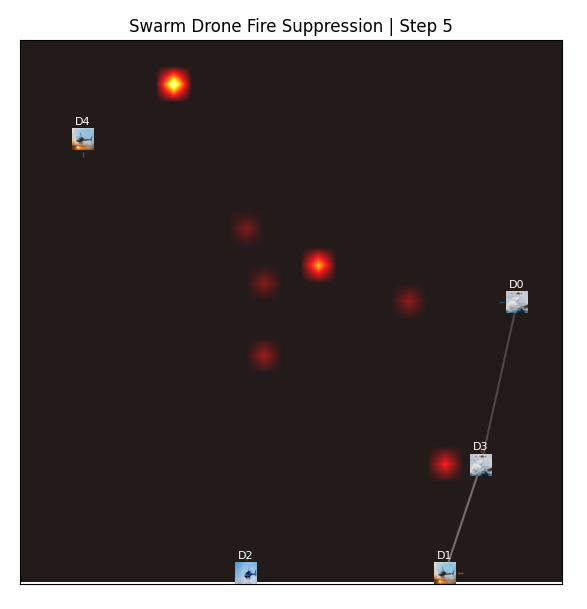
Figure 2. Autonomous drone swarm after making 5 steps
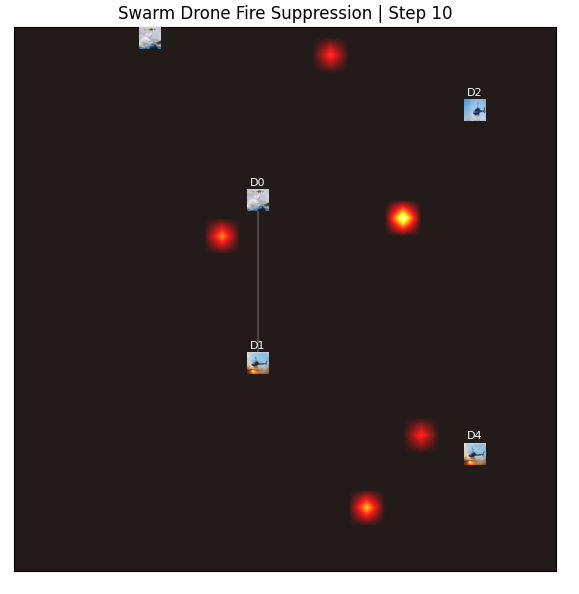
Figure 3. Autonomous drone swarm after making 10 steps
By this stage, the agents should have further refined their understanding of the environmental conditions and coordinated more structured response strategies for fire suppression. The visualization provides additional evidence of the system’s coordination efficiency and adaptive response capabilities within a dynamic wildfire environment. The agents should have reduced the number of active fire sources from seven (Figure 2) to five (Figure 3) through collaborative suppression actions and distributed decision-making without collision. This progression underscores the importance of situational awareness as a foundational requirement in designing swarm-based fire disaster control systems followed by effective coordination and adaptive resource allocation among agents. These core elements constitute main design principles for agentic AI-driven wildfire response frameworks. A reduction in fire intensity should be observed because it represents a key indicator of the system effectiveness. It also demonstrates that cooperative autonomous agents are capable of transitioning from situational assessment to coordinated action that enables timely wildfire containment under dynamic environmental conditions.
5. Methodology
Developed in Python, the proposed framework consists of six integrated modules designed to simulate and evaluate an agentic AI-driven swarm drone system for adaptive wildfire control. The system combines multi-agent reinforcement learning, environmental simulation, predictive modeling and statistical evaluation to form a unified experimental system. The system consists of the following modules: Swarm Environment and Fire Dynamics, Satellite Weather and Environmental Coupling, Digital Twin Fire Forecasting, Multi-Agent Drone Representation and Control, Reinforcement Learning and Policy Learning, Federated Edge and Coordination, Training and Evaluation Protocol and Performance Visualization and Analysis.
The Swarm Environment and Fire Dynamics Module uses custom Gymnasium-based environment to model a spatial wildfire grid in which multiple drone agents operate concurrently. The environment simulates fire ignition, stochastic fire spread and suppression dynamics under varying environmental conditions. Drone agents interact with a discretized action space consisting of movement, fire suppression, refilling and idle operations. The system also incorporates collision constraints to enforce safe multi-agent navigation.
The Satellite Weather and Environmental Coupling Module uses a satellite-inspired weather system to dynamically generate wind direction, wind strength, temperature and humidity variables. These factors directly influence fire propagation behavior, introducing environmental uncertainty and realism into the simulation. The weather state is continuously updated at each time step to reflect non-stationary conditions.
The Digital Twin Fire Forecasting Module uses simplified and integrated digital twin model to estimate future fire growth based on the current fire map. This predictive component provides a forward-looking environmental signal that is incorporated into the reward structure. This functionality is used to enable agents to account for potential fire expansion during decision-making.
The Multi-Agent Drone Representation and Control Module ensures that each drone is modeled with heterogeneous attributes. Such attributes include speed, water capacity, battery level, spray efficiency and sensor range. The system supports decentralized execution where each agent independently selects actions while interacting through a shared environment state. Collision detection mechanisms are implemented to penalize unsafe proximity between agents.
The Reinforcement Learning and Policy Learning Module enables the framework to evaluate multiple reinforcement learning architectures, including Deep Q-Network (DQN), Proximal Policy Optimization (PPO), Advantage Actor-Critic (A2C), Multi-Agent Deep Deterministic Policy Gradient (MADDPG), Multi-Agent Proximal Policy Optimization (MAPPO) and a Transformer-based RL policy network. Standard RL models are implemented using Stable-Baselines3 while advanced multi-agent and transformer-based agents are modeled using custom policy approximations.
The Federated Edge and Coordination Module is a simplified federated coordination mechanism designed to aggregate distributed drone-level information and approximate global environmental understanding. This module supports shared situational awareness across agents and enhances cooperative decision-making under dynamic fire conditions.
The Training and Evaluation Protocol is designed to ensure each RL agent is trained under identical environmental conditions using a fixed-step episodic framework. Performance is evaluated across multiple episodes and their results are reported in terms of mean reward, reward variance and trajectory behavior. Agent performance is then statistically compared using independent t-tests to determine whether significant differences exist between the architectures.
The Performance Visualization and Analysis Module converts simulation outputs into graphical representations for analysis. The results are presented through reward distribution plots, comparative bar charts, coordination heatmaps and drone trajectory visualizations. These visualizations facilitate both qualitative interpretation of swarm behavior and quantitative assessment of system performance.
6. Results
The simulation environment was configured using a fixed set of global parameters that govern the operational space, drone fleet characteristics, resource constraints and experimental consistency.
6.1. Global Configuration
The environment operates on a 30 × 30 grid (`GRID_SIZE = 30`). This parameter represents the spatial fire-disaster area monitored and controlled by the drone swarm. A fleet of five autonomous firefighting drones (`NUM_DRONES = 5`) is deployed within the environment. Each simulation episode is limited to 500 time steps (`MAX_STEPS = 500`) to ensure computational efficiency while allowing sufficient time for fire suppression and coordination behaviors to emerge.
6.2. Resource and Safety Constraints
Fire intensity values are bounded by a maximum level of 5 (`MAX_FIRE_INTENSITY = 5`). This parameter represents the highest severity of a fire cell. Each drone is initialized with a maximum water capacity of 100 units (`MAX_WATER = 100`) and a maximum battery capacity of 100 units (`MAX_BATTERY = 100`). The drones maintain a minimum safe separation distance of 2 grid cells (`SAFE_DISTANCE = 2`) to reduce collision risks and encourage coordinated swarm behavior.
6.3. Reproducibility Settings
A fixed random seed of 42 (`SEED = 42`) is applied across Python’s random library, NumPy and PyTorch to guarantee deterministic behavior and facilitate experimental replication. This ensures consistent initialization of drone parameters, environment states and learning processes across repeated runs.
6.4. Helicopter (Drone) Configuration
Drone-specific configurations are loaded from JSON files (helicopter_i.json). The system automatically loads the corresponding configuration file if it exists; otherwise, it generates a default configuration.
Each drone is assigned:
a A unique identifier (`id`).
b A randomized flight speed between 1.0 and 3.0 units per step.
c A water capacity equal to the global maximum (100 units).
d A battery capacity equal to the global maximum (100 units).
e A randomized spray efficiency ranging from 1.0 to 2.5, determining firefighting effectiveness.
f A collision radius equal to the predefined safe distance (2 cells).
These configurations enable heterogeneity within the swarm and standardized operational constraints.
6.5. Environment Design
The proposed "FireDroneEnv" is implemented as a custom OpenAI Gym environment. It is designed for multi-agent fire suppression. The environment uses a "MultiDiscrete" action space with seven possible actions available to each drone. This parameter is used to enable simultaneous decision-making across all agents.
The observation space is represented as a continuous vector containing:
1. The complete fire-state information of the 30 × 30 grid.
2. Each drone is characterized by five operational attributes that define its state within the wildfire environment: position, velocity, battery level, water reserve and local fire intensity. These attributes capture the drone's spatial location, movement dynamics, available resources and local environmental observations. They enable the reinforcement learning policy to make informed decisions during firefighting operations.
3. Two additional global environment indicators are considered: total remaining fire intensity and number of active fire sources.
a Total remaining fire intensity represents the cumulative fire severity across the entire wildfire grid at a specific time (t). The indicator provides a global measure of wildfire progression and is used to evaluate the overall effectiveness of the swarm's suppression efforts.
b Number of active fire sources represents the total number of uncontrolled fire sources remaining in the environment at a specific time (t). This indicator reflects the current wildfire spread status and provides a measure of the collective impact of drone firefighting actions.
These global environment indicators complement the individual drone attributes by providing global situational awareness for evaluating swarm-level performance and cooperative firefighting behavior. The above drone-specific attributes and environmental indicators form a comprehensive observation vector that represents both local agent conditions and overall wildfire dynamics. This representation supports adaptive decision-making, cooperative behavior and reinforcement learning-based fire control strategies.
Table 1 presents the statistical performance metrics of the evaluated reinforcement learning agents for adaptive wildfire suppression. MAPPO achieved the highest mean reward (1250.188) among all approaches. This indicates the strongest overall task performance under the defined reward structure. MADDPG recorded the second-highest mean reward (1099.600). This demonstrate the advantages of cooperative multi-agent learning over conventional single-agent methods such as DQN, PPO and A2C. While MAPPO produced the best overall reward, Transformer RL achieved the lowest mean fire remaining (0.632450). This simply suggests the superior effectiveness of MAPPO in minimizing residual fire intensity. This result indicates that attention-based representations may enhance spatial awareness and fire-localization capabilities during suppression operations. The relatively low standard deviations observed across all agents indicate stable learning behavior and consistent performance across evaluation episodes. The results essentially suggest that cooperative multi-agent reinforcement learning frameworks (particularly MAPPO and MADDPG) provide substantial performance benefits for autonomous swarm-based wildfire management while Transformer RL demonstrates notable strengths in fire containment effectiveness.
Table 1: Statistical metrics
Agent | Mean Reward | Std Reward | Mean Fire Remaining | Max Reward | Min Reward |
DQN | 999.6215 | 0.031542 | 0.669638 | 999.6605 | 999.5833 |
PPO | 999.6199 | 0.05062 | 0.679576 | 999.683 | 999.5591 |
A2C | 999.6592 | 0.053433 | 0.767988 | 999.7307 | 999.6024 |
MADDPG | 1099.6 | 0.054386 | 0.753589 | 1099.659 | 1099.507 |
MAPPO | 1250.188 | 1.264227 | 0.676839 | 1252.715 | 1249.507 |
Transformer RL | 999.6424 | 0.041989 | 0.63245 | 999.6925 | 999.5898 |
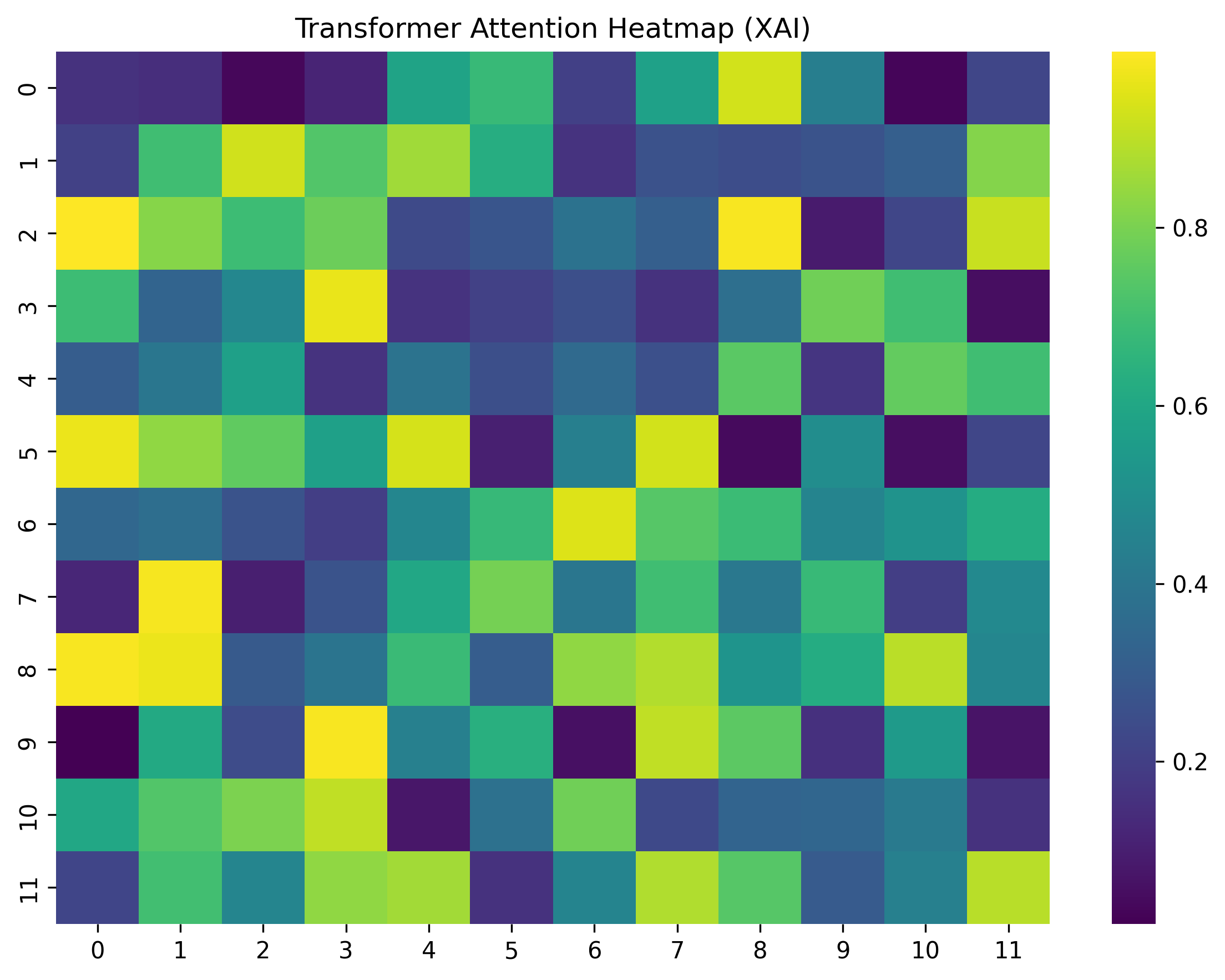
Figure 4. Attention heatmap
The analysis further showed that the performance gains achieved by MAPPO and MADDPG were statistically significant (p < 0.001) compared with DQN, PPO, A2C and Transformer RL. These findings buttress the effectiveness of cooperative policy optimization for swarm disaster-response systems. Although Transformer RL achieved the lowest residual fire intensity, MAPPO obtained the highest cumulative reward. This indicates that the reward function broadly captures multiple operational objectives, fire suppression, efficient resource utilization and cooperative swarm behavior. Consequently, MAPPO provides the best overall mission performance while Transformer RL demonstrates particular strength in fire containment effectiveness.
Figure 4 presents the attention heatmap generated by the Transformer-based Reinforcement Learning (RL) architecture. The varying attention intensities indicate that the model selectively prioritizes specific environmental states and operational features during decision-making. Regions with higher attention weights (yellow) suggest that the model focuses on critical information related to wildfire dynamics, resource allocation and suppression planning. Contrarily, regions with lower attention weights (dark) contribute less to the decision-making process. This attention distribution demonstrates the capability of the transformer mechanism to identify relevant features, capture complex spatial-temporal dependencies and support interpretable autonomous reasoning. The results indicates increased emphasis on the effectiveness of attention-based learning in enhancing the situational awareness and adaptive decision-making of wildfire management systems.
Figure 5 illustrates the drone trajectory coordination map. Basically, it shows the kinematics of drones and spatial behavior of the swarm during fire suppression tasks. The trajectories indicate coordinated navigation where autonomous drones successfully avoid hazardous regions while still maintaining safe inter-drone separation distances. These movement patterns demonstrate that the proposed collision-avoidance and coordination mechanism enables structured multi-agent navigation and distributed task execution in dynamic environments.
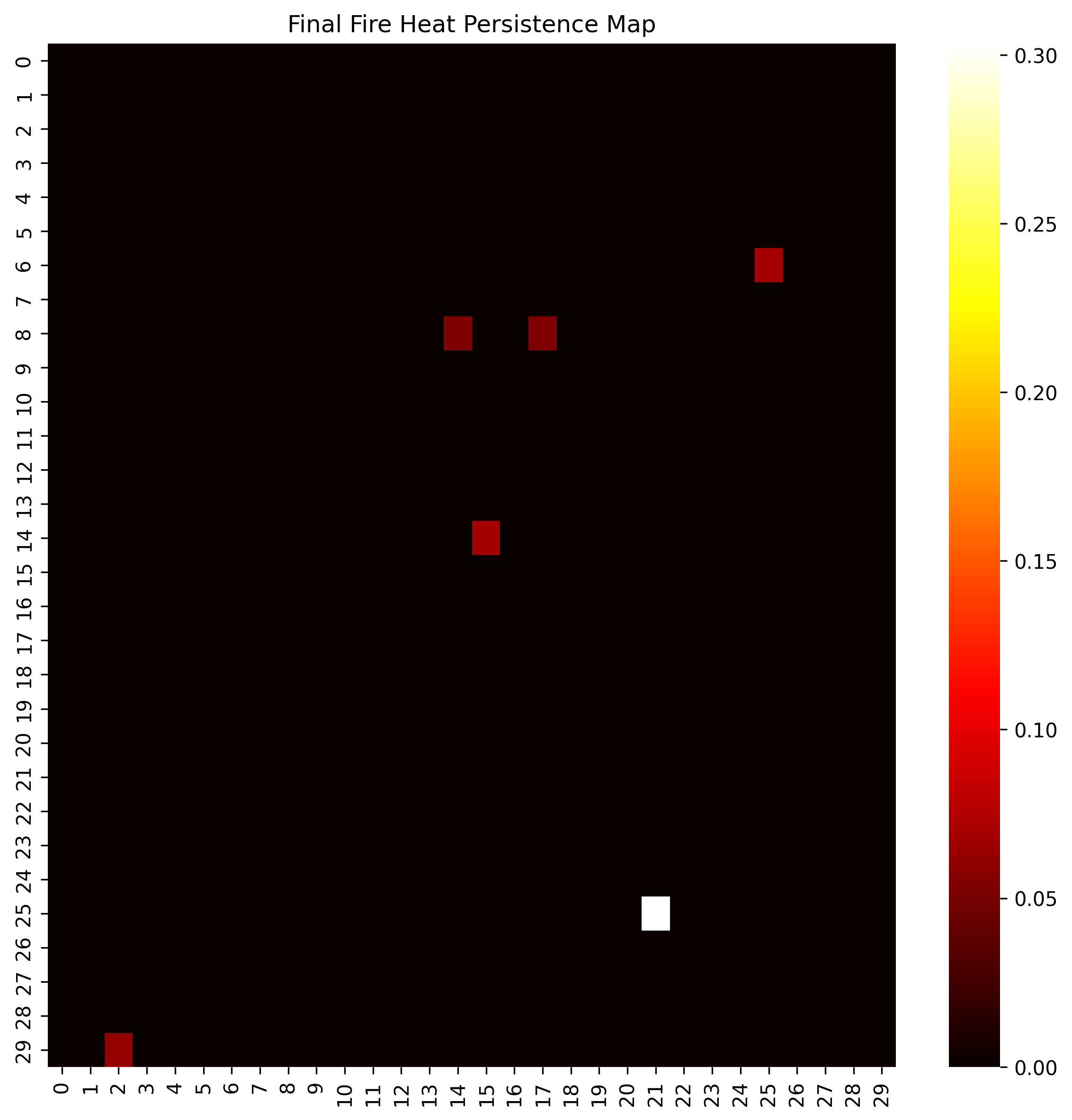
Figure 5. Drone trajectory coordination map
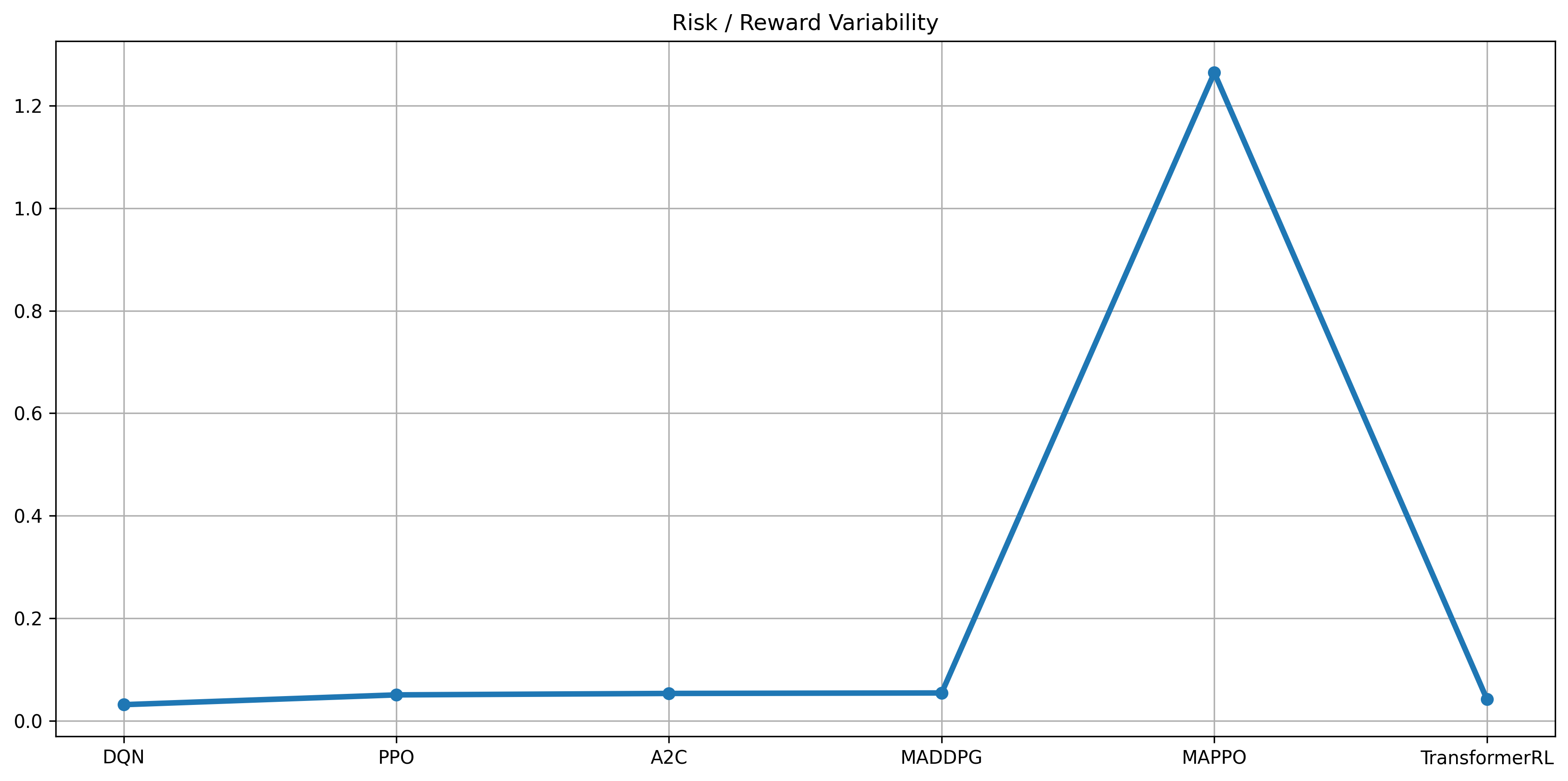
Figure 6. Risk/Reward variability
Figure 6 presents the risk/reward variability across different reinforcement learning agents. These findings capture the stability of policy performance during evaluation. The result shows that DQN, PPO, A2C, MADDPG and Transformer RL exhibit consistently low variability (approximately 0.03-0.05). It further indicates stable and predictable reward behavior across episodes. Contrarily, MAPPO exhibits significantly higher variability (approximately 1.25-1.30). This suggests greater sensitivity in its reward-risk response dynamics under the same operational conditions. Importantly, Figures 5 and 6 represent complementary aspects of system performance. While Figure 5 evaluates spatial coordination and trajectory-level behavior, Figure 6 evaluates reward stability and policy-level variability. Both findings provide a comprehensive view of execution quality and learning stability in multi-agent wildfire suppression.
Figure 7 presents the final fire heat persistence map following suppression activities. The result shows that fire intensity has been substantially reduced across most regions of the environment and with only a limited number of unextinguished hotspots.The low residual heat distribution in the figure indicates that the swarm effectively contained and mitigated wildfire propagation within the operational grid. The remaining hotspots correspond to isolated high-intensity regions that were not fully extinguished during the final stages of the episode.
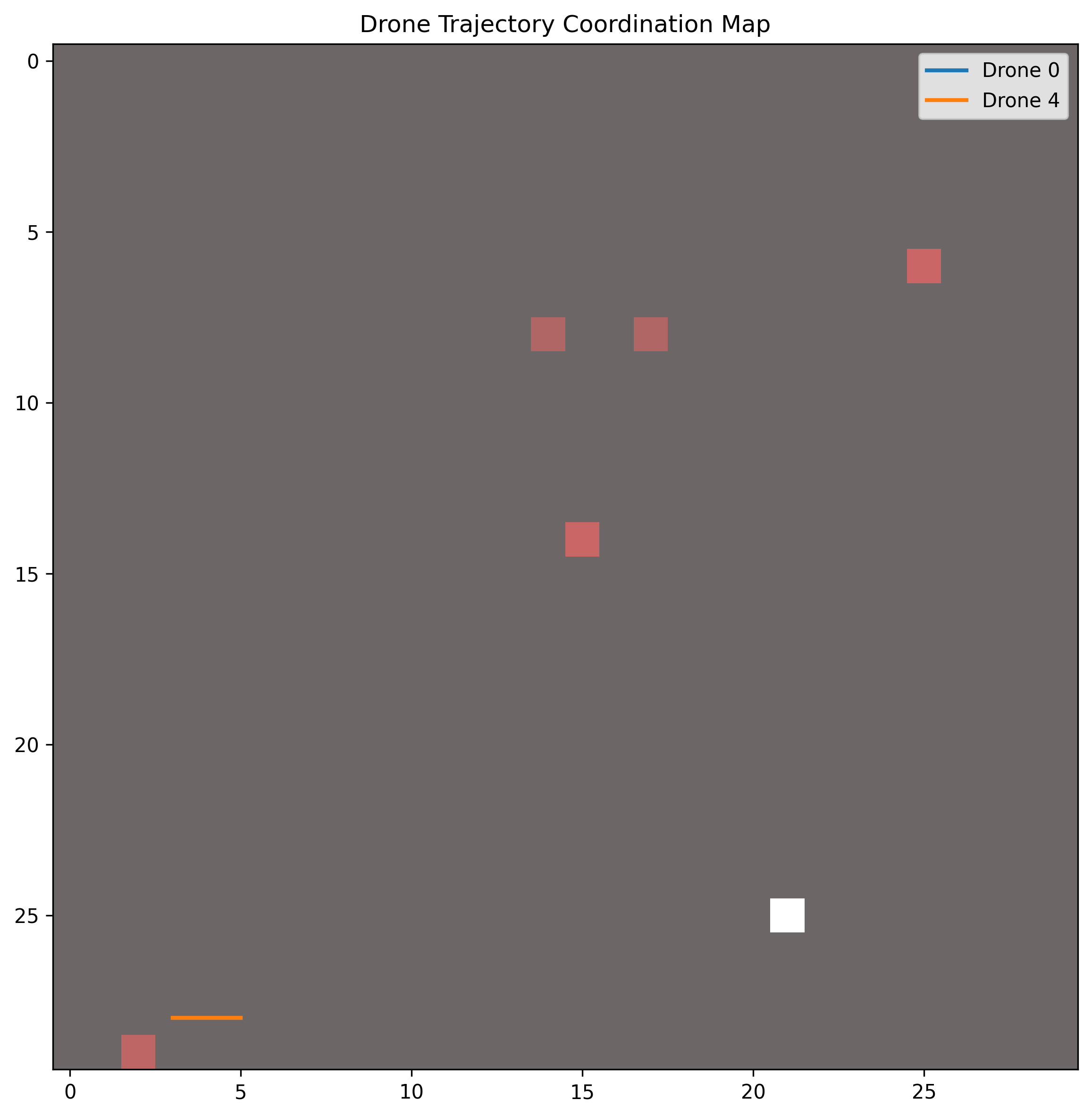
Figure 7. The final fire heat persistence map
These areas highlight zones requiring additional intervention and provide actionable information for adaptive resource reallocation and sequential suppression planning. The results essentially consistent with the observed trajectory coordination behavior (Figure 5) and the performance trends of the reinforcement learning agents that particularly demonstrated lower residual fire levels in the evaluation metrics.Figure 8 presents the digital twin-based wildfire forecasting. The result shows a gradual increase in predicted fire intensity over future time steps. The upward trend indicates that wildfire conditions are expected to intensify progressively over time in the absence of continued or adaptive intervention. This highlights the importance of timely suppression actions and continuous monitoring in dynamic fire environments.
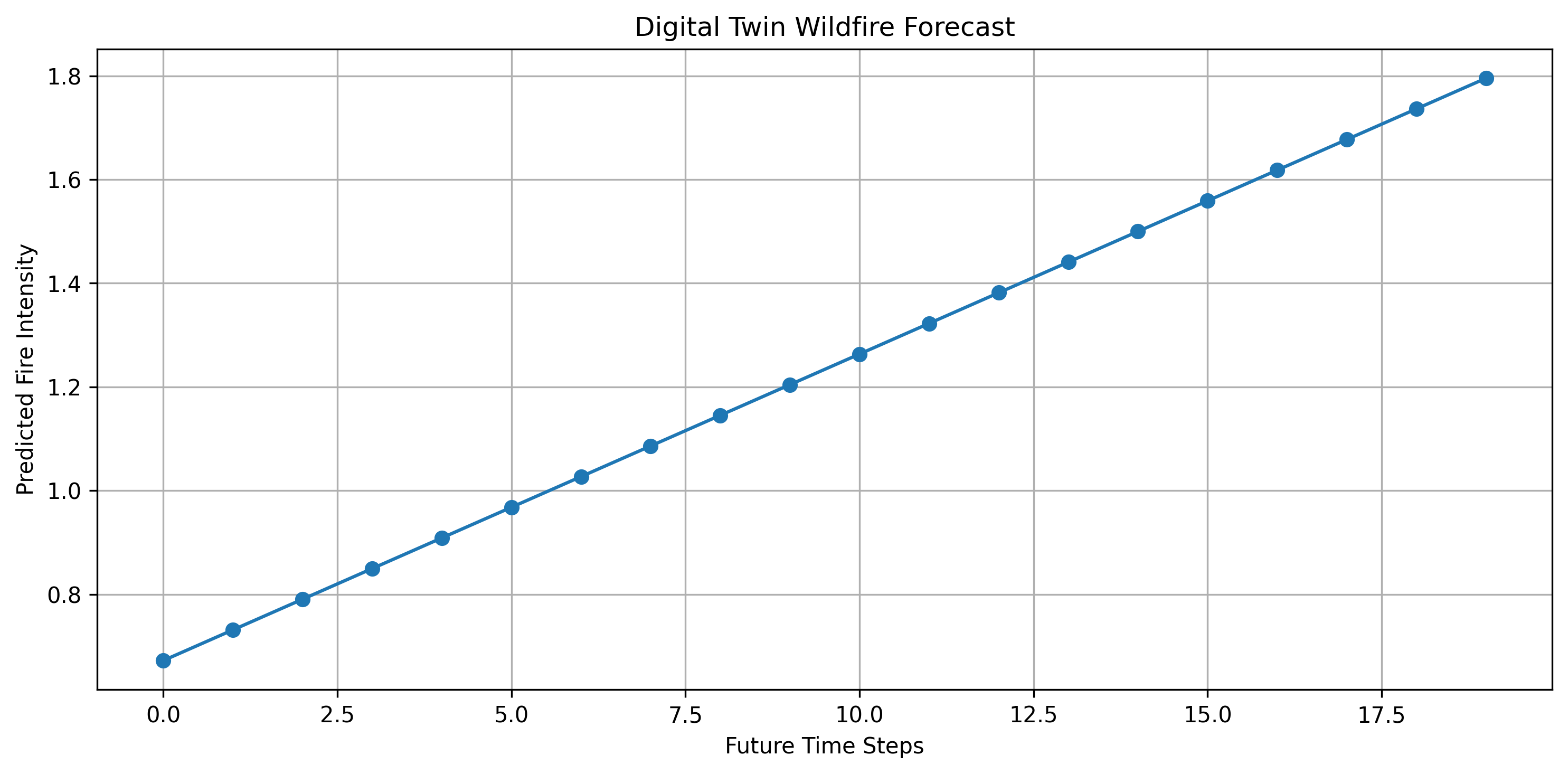
Figure 8. Digital Twin Wildfire forecast
Figure 9 illustrates drone energy consumption over time during operational deployment. The results show a gradual decline in available energy as the drones perform surveillance, coordination and fire suppression tasks throughout the mission. The smooth and consistent energy consumption profile suggests that the model attends to efficient resource utilization and sustained operational performance without abrupt energy depletion events. These findings are consistent with the coordinated trajectory patterns observed in Figure 5 where the drones maintained effective navigation and safe separation while executing distributed tasks. The controlled energy expenditure further supports the stability demonstrated by most reinforcement learning agents in the risk/reward variability analysis (Figure 6). This suggests that mission objectives can be achieved without excessive resource consumption. Moreover, the efficient use of energy contributes to the successful wildfire containment outcomes shown in Figure 7. This enables prolonged suppression activities that reduced residual wildfire persistence in the simulation. Also, the need to maintain adequate energy reserves is crucial for supporting continued adaptive intervention as predicted fire intensity increases over future time steps in the context of the digital twin wildfire forecast (Figure 8). The above results demonstrate that the proposed Agentic AI-driven swarm drone framework effectively balances operational efficiency, resource management and adaptive wildfire response.
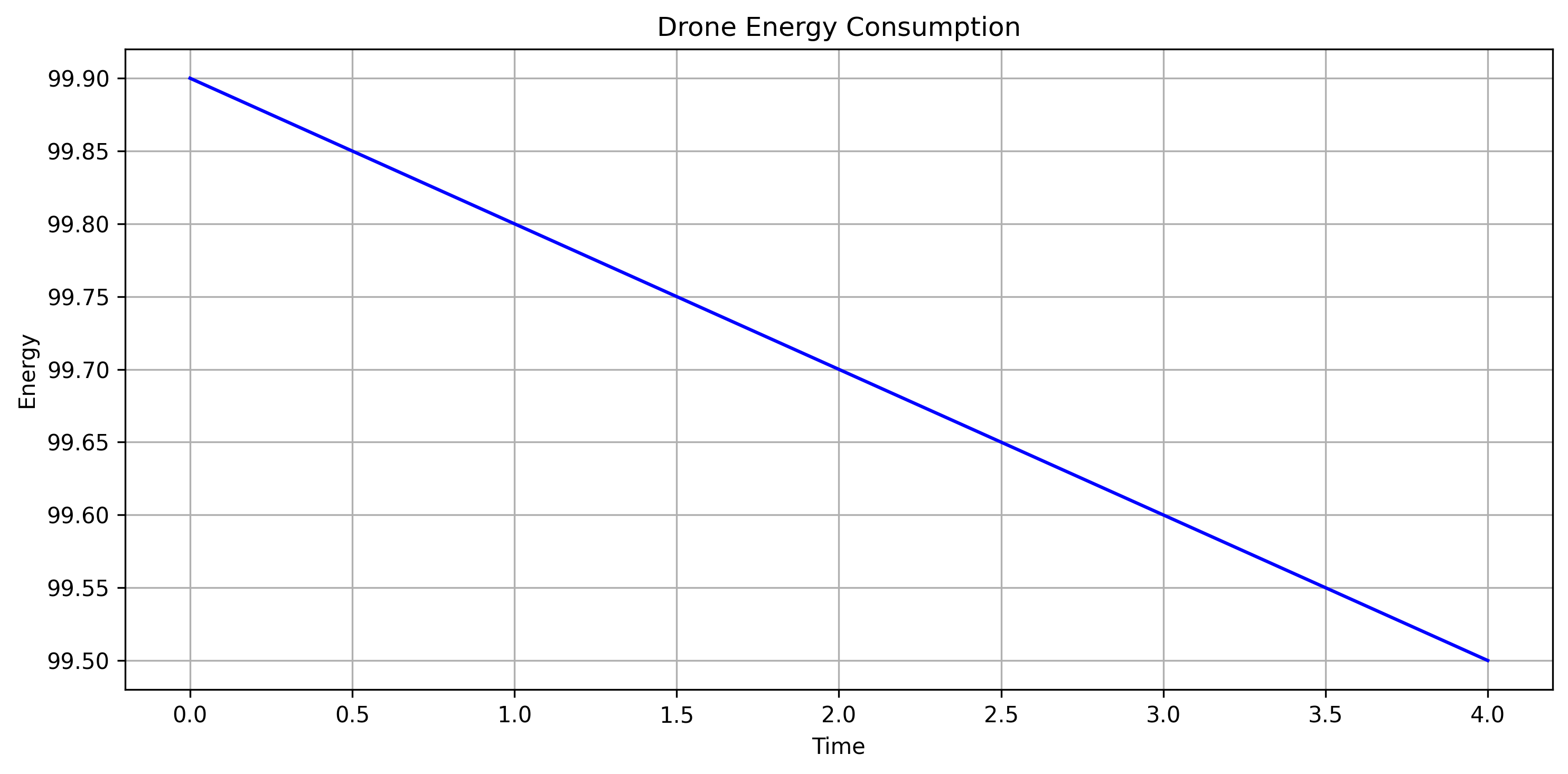
Figure 9. Drone Energy consumption
Figure 10 illustrates the temporal evidence of the system's capability to curtail wildfire propagation. The result shows the variation in fire frequency over the course of the suppression operation. The fire frequency reaches its peak value of approximately 10.2 at the beginning of the simulation (t = 0.0). This depicts a high level of wildfire activity during the initial stages. The fire frequency decreases steadily as time progresses until it reaches approximately 0.8 by t = 4.0. This downward trend demonstrates the effectiveness of the proposed Agentic AI-driven swarm drone framework in reducing wildfire activity through coordinated detection, monitoring and suppression actions. This result also consistent with the fire persistence map (Figure 7) that showed substantial reduction in the residual fire intensity across the operational environment. Similarly, the coordinated drone trajectories observed in Figure 5 indicate that efficient swarm navigation and distributed task execution contributed to the progressive decline in fire frequency. Furthermore, the stable policy behavior exhibited by most reinforcement learning agents (Figure 6) and the controlled energy consumption profile (Figure 9) suggest that fire suppression was achieved without compromising operational stability or resource efficiency.
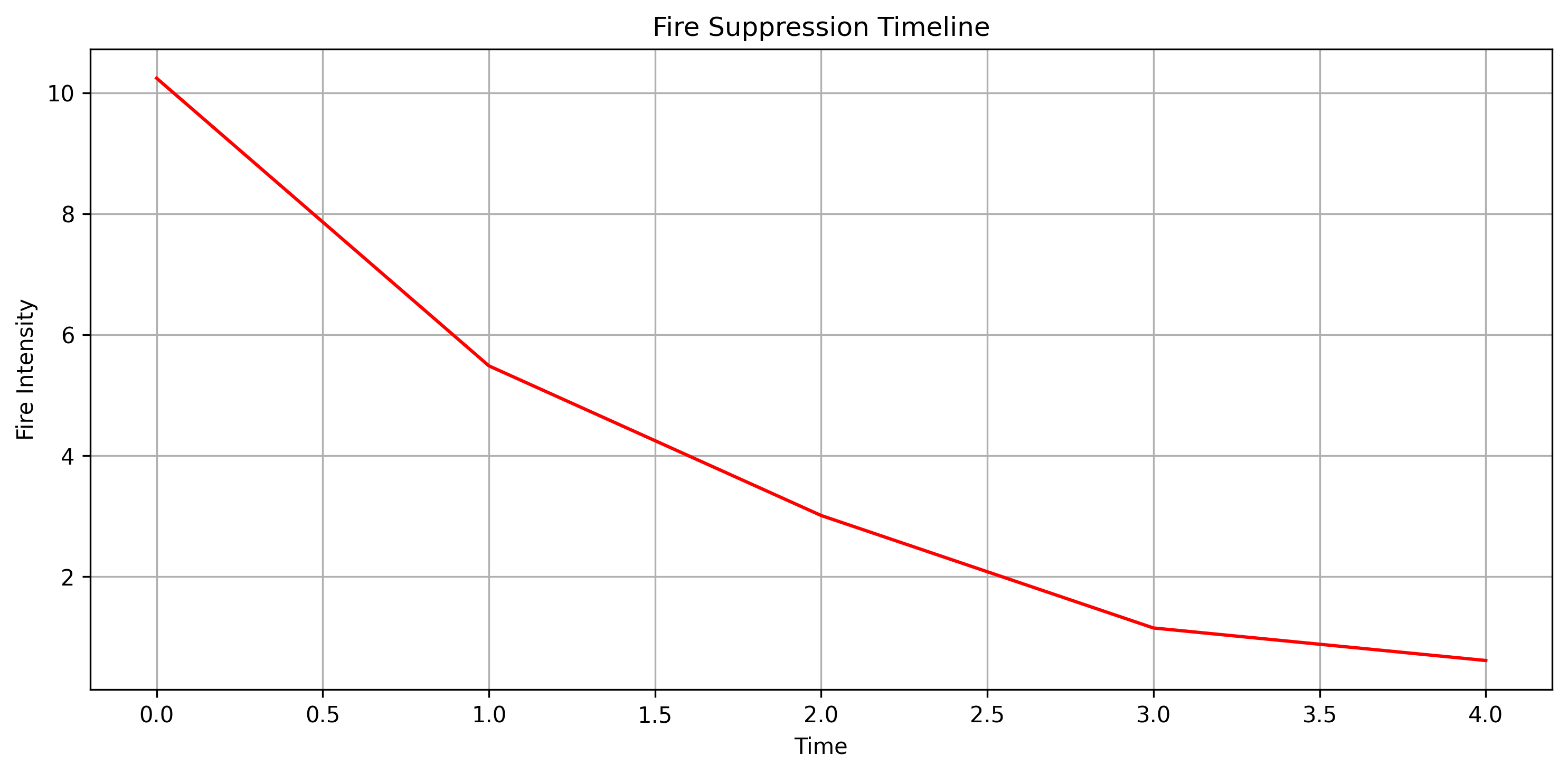
Figure 10. Fire suppression Timeliness
Figures 11 and 12 provide complementary insights into the effectiveness of the reinforcement learning architectures evaluated for the proposed Agentic AI-driven swarm drone framework. Figure 11 presents the RL agent performance comparison based on cumulative reward. The result reveals a clear three-tier performance structure. MAPPO achieve the highest reward ((1250.19 ± 1.26)) followed by MADDPG (1099.60 ± 0.05) while DQN (999.62 ± 0.03), PPO (999.62 ± 0.05), A2C (999.66 ± 0.05) and Transformer RL form a lower-performing cluster with rewards (999.64 ± 0.04) within a statistically indistinguishable performance group.
Pairwise t-test analysis confirmed a strong performance separation between MAPPO and all other methods (e.g., MAPPO against DQN: t = -396.15, p < 0.001; MAPPO against Transformer RL: t = 395.92, p < 0.001). Similarly, MADDPG demonstrated statistically significant improvements over the lower-performing cluster (e.g. MADDPG against DQN: t = -2842.73, p < 0.001). Contrarily, there is no statistically significant differences observed within the lower-performing group (e.g. DQN against PPO: t = 0.0388, p = 0.971; PPO against Transformer RL: t = −0.4839, p = 0.655). The substantial performance advantage of MAPPO highlights the effectiveness of cooperative policy optimization and coordinated multi-agent decision-making in complex wildfire managemental scenarios. MADDPG forms a distinct intermediate performance group and demonstrates the benefits of multi-agent learning. The remaining architectures are less effective than MAPPO in optimizing the overall objectives of the Agentic AI-driven swarm drone system. On the other hand, Figure 12 uses the amount of fire remaining after intervention to evaluate the suppression effectiveness of the agents. Transformer RL achieved the lowest residual fire level (≈0.64).
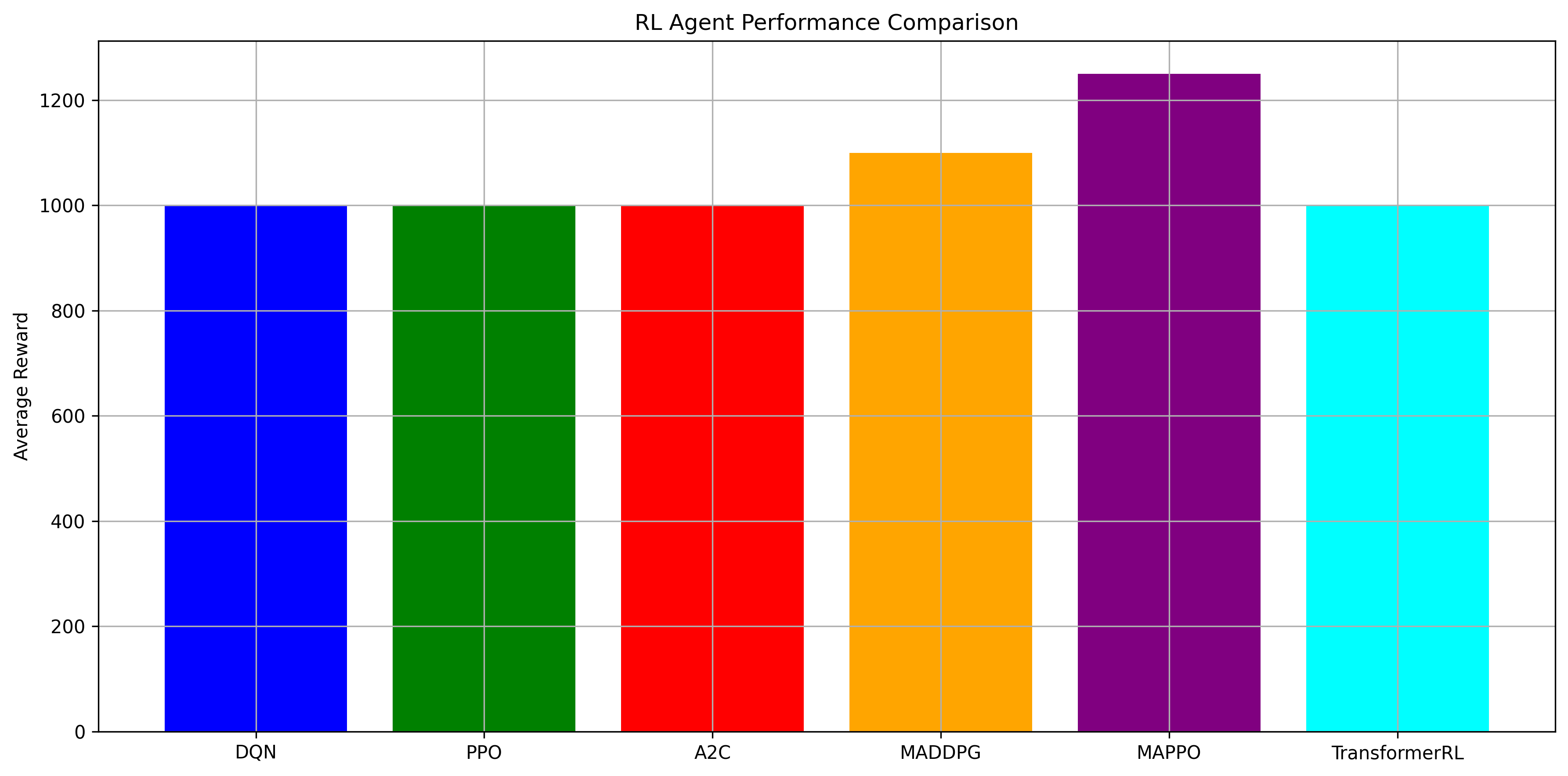
Figure 11. RL Agent performance comparison
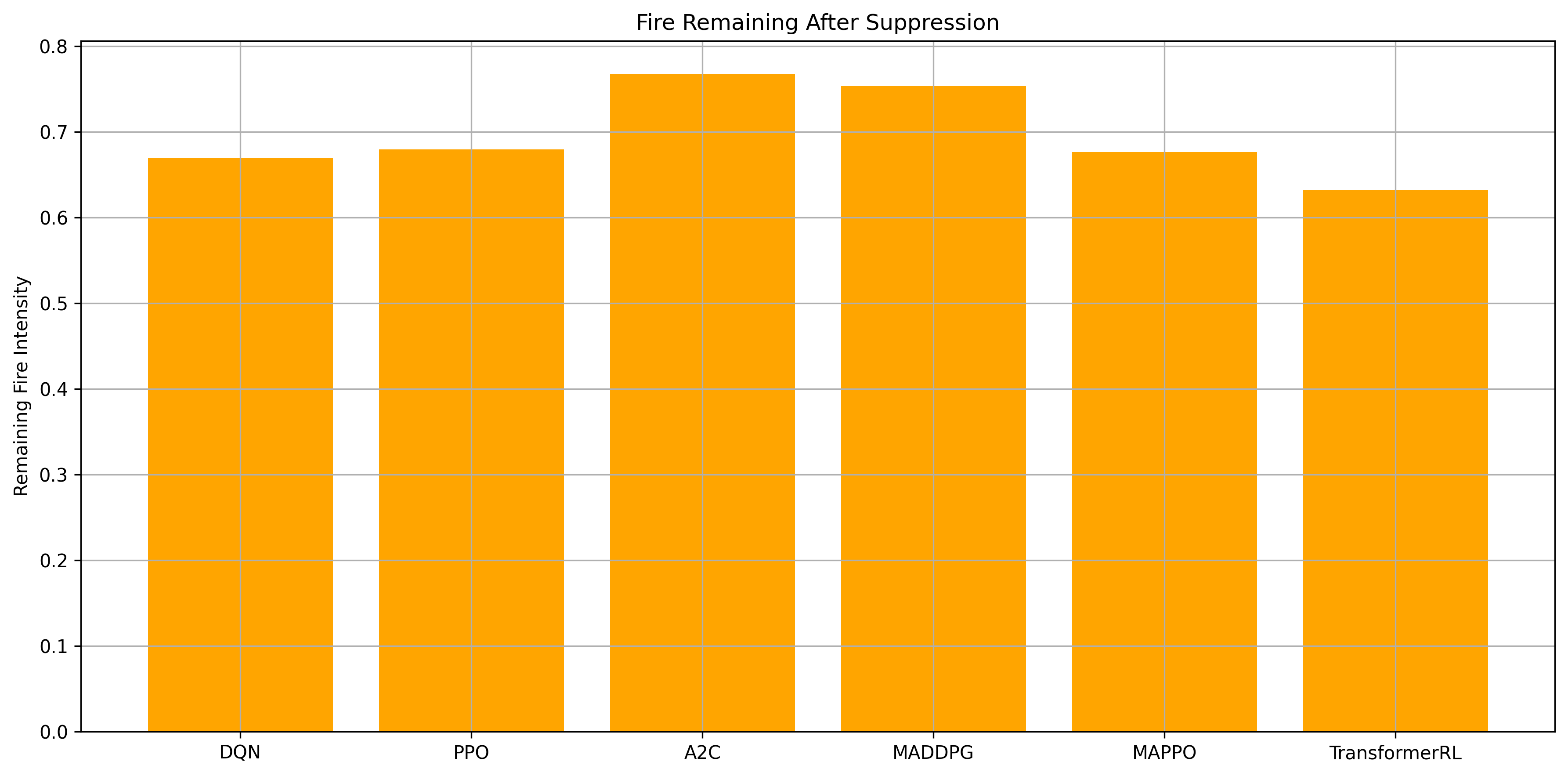
Figure 12. Fire remaining after suppression
This indicates the most effective fire containment performance among all evaluated agents. DQN, PPO and MAPPO form an intermediate group with residual fire values of approximately 0.68. Additionally, A2C and MADDPG exhibit the highest remaining fire levels (≈0.77-0.78). These findings suggest that attention-based learning mechanisms enhance the ability to identify and prioritize critical fire regions and subsequently improve suppression effectiveness.
The above results indicate that mission reward and wildfire suppression effectiveness represent two distinct performance dimensions. MAPPO maximizes cumulative reward through efficient coordination, resource management and cooperative swarm behavior whereas Transformer RL demonstrates superior capability in minimizing residual fire intensity through enhanced spatial-temporal feature representation. This complementary behavior supports the architectural design of the proposed Agentic AI-driven swarm drone system and the necessity to combine cooperative multi-agent coordination, adaptive decision-making and predictive intelligence together to balance operational efficiency with effective wildfire containment. The results further justify the integration of advanced coordination strategies and attention-guided reasoning mechanisms for adaptive fire disaster control and prediction.
7. Ethics, Safety and Governance of Agentic Autonomous Systems
The above findings point out that the deployment of agentic AI-driven swarm drone system for wildfire suppression and disaster response introduces a multidimensional set of constraints that extend beyond algorithmic performance. Although these systems demonstrate strong potential for scalable coordination, rapid response and adaptive decision-making, their real-world adoption depends on careful consideration of regulatory compliance, best practices, ethical responsibility and operational feasibility. Bridging the gap between simulation environments and field deployment therefore requires not only technical robustness but also alignment with legal frameworks, safety expectations and mission-critical reliability standards.
From a regulatory standpoint, agentic AI-driven swarm drone operations must conform to established unmanned aerial system (UAS) guidelines. Wildfire disasters and their devastating impacts are global concerns. Therefore, there should be strong legislative requirements to govern airspace usage, autonomous flight permissions and safety assurance requirements across the globe. In particular, constraints such as altitude restrictions and collision avoidance mandates define the operational boundaries within which swarm intelligence must function. Disaster environments further complicate this landscape because emergency airspace conditions may require dynamic authorization procedures and coordination with aviation authorities. Consequently, swarm systems must be designed with embedded compliance mechanisms capable of adapting to regulatory constraints in real time while maintaining operational effectiveness.
Swarm autonomy in Agentic AI-driven drone systems must be governed by explicitly enforceable safety constraints rather than implicitly learned behaviors. Collision avoidance and inter-agent separation require robust safety guarantees to ensure reliable operation in disaster environments. They must be implemented as deterministic constraint layers rather than relying solely on reward-based penalties or policy optimization outcomes. This establishes a Safety-as-a-Constraint Layer (SCL) architecture in which collision avoidance is formally verified and decoupled from reinforcement learning policy updates to achieve robust performance under all operational conditions.
Ethically, reinforcement learning optimization alone is insufficient for safety-critical robotics because it lacks guaranteed worst-case safety assurances. Consequently, safety must be architecturally enforced rather than statistically inferred in high-risk wildfire environments where system failure has physical consequences. Similarly, Environmental Accountability Alignment (EAA) is required to ensure that agent reward functions remain causally aligned with real-world environmental outcomes rather than fictious optimization signals. The observed divergence between reward maximization and task effectiveness where MAPPO achieves higher cumulative reward and Transformer RL achieves lower residual fire intensity highlights a critical governance gap. This necessitates a Reward-Function Auditability (RFA) mechanism to ensure that optimization objectives accurately reflect measurable environmental impact during wildfire suppression effectiveness and hazard reduction. In addition, accountability cannot be centralized due to distributed decision-making in multi-agent autonomous systems. Therefore, a Multi-Agent Distributed Responsibility Accountability (MADRA) framework is required so that responsibility is jointly assigned at both the local agent level (individual actions) and system level (emergent swarm behavior). This requires persistent trajectory and interaction logging to enable post-incident reconstruction of agent decisions, environmental states and interaction dynamics. A Swarm Accountability Graph (SAG) can be used to trace causal contributions of individual drones to outcomes such as successful suppression, collision events and wildfire propagation escalation.
Finally, the proposed system exhibits a fundamental Swarm AI Trade-off Triangle (Figure 13) such that reward optimization (i.e. MAPPO-dominant behavior), environmental outcome optimization (i.e. Transformer RL superiority in fire reduction) and safety enforcement (i.e. collision penalty constraints) represent competing objectives. This indicates that Agentic AI swarm systems cannot simultaneously optimize all dimensions without explicit governance and architectural separation of objectives. Consequently, effective deployment requires integrated governance layers that balance performance optimization, safety guarantees and alignment with real-world environmental conditions.
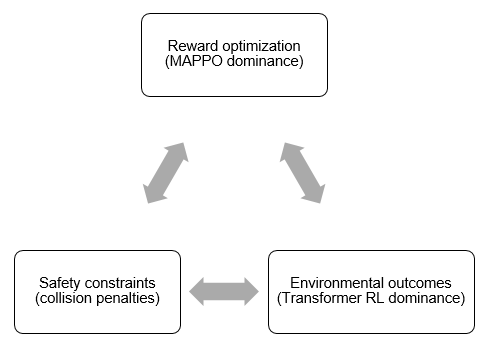
Figure 13. The Swarm AI Trade-off Triangle
8. Conclusion
This chapter evaluates the following reinforcement learning approaches: DQN, PPO, A2C, MADDPG, MAPPO and TransformerRL within the context of an Agentic AI-driven swarm drone system for adaptive wildfire disaster control and prediction. The study also assesses both reward optimization performance and real-world task effectiveness in the same context under a shared swarm coordination environment. The results show clear and statistically well-supported performance hierarchy. The complementary performance characteristics observed across the evaluated agents provide valuable insights for the architectural design of Agentic AI-driven swarm drone systems for real-world wildfire management. The results suggest that effective wildfire disaster control and prediction require integration of cooperative multi-agent coordination, adaptive decision-making and predictive intelligence to balance operational efficiency with wildfire containment effectiveness. Consequently, future swarm-based disaster response systems should be designed to optimize both mission-level objectives and environmental outcomes rather than just focusing on single performance metric.
The results practically highlight an important trade-off in the selection of reinforcement learning architectures for Agentic AI-driven swarm drone deployments in the above settings. MAPPO achieved the highest cumulative reward. This implies that it has a superior performance with respect to the defined mission objectives and reward structure. Therefore, MAPPO may be preferred in applications where the reward function accurately captures operational goals and system performance requirements. In contrast, Transformer RL achieved the lowest residual fire intensity. This suggests that it has greater effectiveness in minimizing wildfire persistence. As a result, Transformer RL may be more suitable for wildfire scenarios where environmental outcomes like fire containment and suppression effectiveness are prioritized and reward function serves as an imperfect representation of real-world objectives. Thus, we emphasize the importance of aligning algorithm selection with mission requirements and operational priorities in Agentic AI-driven wildfire management systems. Effective deployment will also require integrated governance layers that harmonize performance optimization, safety assurance and adaptation to real-world environmental constraints.
Future research can integrate other global indicators such as average swarm coverage area, total water deployed and fire suppression rate. Furthermore, effect size measures such as Cohen’s d, can be included to quantify the practical significance and magnitude of observed performance differences beyond statistical significance. In addition, visualizing the three-tier performance structure would provide deeper insight into the separation between MAPPO, MADDPG and the lower-performing agent cluster. Such analyses can help isolate the superior performance achieved by MAPPO from operational advantage in wildfire management and potential influences of the design and weighting the reward function. Evaluating both reward-based metrics and task-specific outcomes like residual wildfire intensity can further clarify the real-world effectiveness and broad generalization of the proposed reinforcement learning architectures.
ACKNOWLEDGEMENT
The author acknowledges the support of colleagues, reviewers, Editorial team of Agentic AI in the Age of Autonomy with Concepts and Case Studies and the broader research community whose contributions to Artificial Intelligence (AI), Reinforcement Learning (RL) and autonomous systems are foundation upon this study is built.
FUNDING
This research received no external funding and was conducted without financial support from any public, commercial or not-for-profit organization.
AUTHORS’ CONTRIBUTIONS
The author solely conceived the research, designed the methodology, developed the simulation framework, conducted the experiments, analyzed the results and prepared the manuscript.
CONFLICT OF INTEREST
The author declares no conflict of interest regarding the publication of this research.
DATA AVAILABILITY
The data generated and analyzed during this study including simulation outputs and experimental results are available from the corresponding author upon reasonable request.
ETHICAL STATEMENT
This study did not involve human participants, animals or personal data. All experiments were conducted using a computer-based simulation environment. Hence, ethical approval was not required in doing this research.
DECLARATION OF AI USAGE
Spelling and grammar checking (MS)tools were used solely to assist with language refinement, manuscript editing and grammatical usage. The study design, methodology, simulation development, experimental analysis, interpretation of results and final scientific conclusions were developed and validated by the author. All efforts were made to ensure originality, accuracy and compliance with academic integrity and plagiarism standards.
References
[1] Acharya, D. B., Kuppan, K., & Divya, B. (2025). Agentic AI: Autonomous intelligence for complex goals-A comprehensive survey. IEEE Access, 13, 18912-18936. https://doi.org/10.1109/ACCESS.2025.3532853[2] Borghoff, U. M., Bottoni, P., & Pareschi, R. (2025). Human-artificial interaction in the age of agentic AI: A system-theoretical approach. Frontiers in Human Dynamics, 7, Article 1579166. https://doi.org/10.3389/fhumd.2025.1579166
[3] Brown, T., Mann, B., Ryder, N., Subbiah, M., Kaplan, J. D., Dhariwal, P., Neelakantan, A., Shyam, P., Sastry, G., Askell, A., Agarwal, S., Herbert-Voss, A., Krueger, G., Henighan, T., Child, R., Ramesh, A., Ziegler, D. M., Wu, J., Winter, C., ... Amodei, D. (2020). Language models are few-shot learners. Advances in Neural Information Processing Systems, 33, 1877-1901.
[4] Chang, R. H., Peng, Y. T., Choi, S., & Ca, C. (2022). Applying artificial intelligence (AI) to improve fire response activities. Emergency Management Science and Technology, 2, Article 7. https://doi.org/10.48130/EMST-2022-0007
[5] Chen, L., Lu, K., Rajeswaran, A., Lee, K., Grover, A., Laskin, M., Abbeel, P., Srinivas, A., & Mordatch, I. (2021). Decision Transformer: Reinforcement learning via sequence modeling. Advances in Neural Information Processing Systems, 34, 15084-15097.
[6] Chopra, A. (2025). Adoption of AI and agentic systems: Value, challenges and pathways. 1-13. California Management Review.
[7] Dwivedi, Y. K., Helal, M. Y. I., Elgendy, I. A., et al. (2026). Agentic AI systems: What it is and isn't. Global Business and Organizational Excellence, 45(3), 253-263. https://doi.org/10.1002/joe.70018
[8] Gupta, T., & Roy, S. (2024). Applications of artificial intelligence in disaster management. In Proceedings of the 2024 10th International Conference on Computing and Artificial Intelligence (ICCAI '24) (pp. 313–318). Association for Computing Machinery. https://doi.org/10.1145/3669754.3669802
[9] Khan, S. M., Shafi, I., Butt, W. H., Diez, I. D. L. T., Flores, M. A. L., Galán, J. C., & Ashraf, I. (2023). A systematic review of disaster management systems: Approaches, challenges and future directions. Land, 12(8), Article 1514. https://doi.org/10.3390/land12081514
[10] Lowe, R., Wu, Y., Tamar, A., Harb, J., Abbeel, P., & Mordatch, I. (2017). Multi-agent actor-critic for mixed cooperative-competitive environments. Advances in Neural Information Processing Systems, 30, 6379-6390.
[11] Murugesan, S. (2025). The rise of agentic AI: Implications, concerns, and the path forward. IEEE Intelligent Systems, 40(2), 8-14. https://doi.org/10.1109/MIS.2025.3544940
[12] Nguyen, T. T., Nguyen, N. D., & Nahavandi, S. (2020). Deep reinforcement learning for multi-agent systems: A review of challenges, solutions, and applications. IEEE Transactions on Cybernetics, 50(9), 3826–3839. https://doi.org/10.1109/TCYB.2020.2977374
[13] Yu, C., Velu, A., Vinitsky, E., Wang, Y., Bayen, A., & Wu, Y. (2022). The surprising effectiveness of PPO in cooperative multi-agent games. Advances in Neural Information Processing Systems, 35, 24611-24624.
[14] Zhang, T., Wang, Z., Zeng, Y., Wu, X., Huang, X., & Xiao, F. (2022). Building artificial-intelligence digital fire (AID-Fire) system: A real-scale demonstration. Journal of Building Engineering, 62, Article 105363. https://doi.org/10.1016/j.jobe.2022.105363
Author information
Authors and Affiliations
Corresponding author
Copyright information
CC-BY