

Abstract
Architecture, Pedagogy, and Real-World Implementation of SymDevAI Edu, a Supervised Agentic AI Ecosystem for K12
Keywords
Agentic AI, Architecture, Pedagogy, Real-World Implementation, SymDevAI Edu, upervised Agentic AI Ecosystem, K12
1. Introduction
The rapid proliferation of generative artificial intelligence tools has placed K12 educational institutions at a critical inflection point. School administrators, teachers, and policymakers face a binary choice that is, in practice, a false dichotomy: prohibit AI to preserve academic integrity or permit it and risk unstructured, unsupervised use that may undermine learning outcomes. The reality is that AI is already present in the lives of students, regardless of institutional policy, and the fundamental question is not whether AI will shape K12 education, but rather how [4, 5]. This chapter argues that neither outright prohibition nor unrestricted access represents a viable path. The answer lies in a principled, architecturally enforced model of supervised AI integration, one that preserves teacher authority while enabling students to engage meaningfully with AI-assisted learning.
Agentic AI represents a paradigm shift from reactive, single-turn conversational tools to autonomous, goal-directed systems capable of multistep reasoning, planning and action [1]. In educational contexts, such a shift carries profound implications. Unlike traditional AI tools that respond to isolated queries, agentic systems can guide students through iterative design cycles, provide contextual scaffolding, and interact with broader learning management infrastructures in ways that can either empower or bypass meaningful learning, depending on how these systems are governed [2, 3]. The stakes are particularly high in K12 environments, where learners are cognitively and ethically developing, teacher oversight is both pedagogically essential and legally mandated, and data privacy protections for minors impose strict requirements on system architecture [7, 15], considerations that apply specifically to the K12 cohort in this deployment.
SymDevAI Edu was designed and deployed in this context. SymDevAI Edu is a purpose-built agentic AI platform for K12 education that operationalizes a closed-loop model of human-AI collaboration. At its core, the platform enables students to work alongside an AI agent to design, develop, and publish functional software products (games, simulations, and interactive tools) within a strictly teacher-supervised environment. No student-generated content, code, or project can be shared or published without the explicit approval of the instructor. This architectural constraint is not a limitation but a deliberate pedagogical choice: it positions the teacher as the orchestrator of an AI-augmented learning ecosystem, rather than a passive bystander to student-AI interactions [8, 17]. The platform further integrates a comprehensive Learning Management System (LMS) covering course creation, assignment management, student progress analytics, and automated assessment capabilities, making it a holistic educational environment rather than a standalone coding tool [11, 13].
A distinguishing feature of SymDevAI Edu is the SymDev Store, a curated public showcase where teacher-approved student projects are exhibited and made available for peer recognition through a like-based engagement mechanism. This design choice reflects a deliberate effort to embed an open-source collaboration culture and healthy competition into the K12 experience [8, 14]. Unlike gamification layers that award abstract badges or points, the SymDev Store ties student motivation to genuine audience feedback on real products, a form of authentic assessment that connects classroom work to the broader culture of software development. Beyond its motivational function, the Store serves as a living portfolio of student achievement, demonstrating to parents, administrators, and the wider educational community the kinds of substantive computational artifacts that K12 learners can produce when AI is appropriately scaffolded and supervised [6, 20].
This study makes four principal contributions to the emerging literature on agentic AI in education. First, it presents a concrete, production-deployed architecture for closed-loop agentic AI in K12, moving beyond theoretical frameworks to describe a system in active use across real educational settings. Second, it articulates a pedagogical model that treats supervised AI integration not as a concession to inevitability but as a deliberate educational strategy grounded in the principles of computational thinking, constructionist learning, and teacher-centered governance [6, 16]. Third, it shows how gamification elements, peer recognition, and LMS analytics can be unified within a single platform to simultaneously support motivation, accountability, and progress monitoring [11, 13, 14]. Fourth, it addresses the ethical and safety dimensions of deploying agentic AI in child-facing contexts, offering design principles that practitioners and researchers can adapt. The remainder of this chapter is organized as follows: Section 2 reviews the relevant literature on agentic AI, K12 computing education, gamified learning management systems, and the ethical dimensions of AI in child-facing educational contexts. Section 3 describes the system architecture, pedagogical design, and research methodology of SymDevAI Edu. Section 4 presents the findings from real-world school deployments. Section 5 concludes with the implications for research and practice.
2. Literature Review
This section reviews the scholarly foundations underpinning SymDevAI Edu across three intersecting domains: the conceptual evolution of agentic AI and its implications for educational systems; the state of AI integration in K12 computing education; and the role of learning management systems and gamification in supporting student motivation and engagement. Together, these strands establish the theoretical and empirical context within which the SymDevAI Edu platform was designed and deployed in this study.
Table 1. Summary of Selected Key Studies Reviewed by Domain (see Section 2 for full citation coverage)
Ref. | Authors & Year | Domain | Relevance to SymDevAI Edu |
[1] | Kostopoulos et al. (2025) | Agentic AI in Education | Agentic criteria framework; autonomy taxonomy |
[2] | Feuerriegel et al. (2024) | Generative AI | LLM substrate for agentic layer |
[4] | Crompton & Burke (2022) | AI in K12 Education | Teacher-centered AI deployment model |
[6] | Kafai & Proctor (2022) | Computational Thinking | Computational literacy as design goal |
[11] | Lampropoulos et al. (2025) | Gamification in LMS | SymDev Store peer-recognition model |
[13] | Hamari, Koivisto & Sarsa (2014) | Gamification Effects | Context-dependent motivation design |
[17] | Adams et al. (2023) | AI Ethics K12 | Ethical governance of teacher-approval gate |
[25] | UNESCO (2021) | AI Ethics Policy | Zero-trust, data sovereignty design |
2.1. Agentic AI: From Conversational Tools to Autonomous Agents
The concept of agentic AI has emerged as a distinct research domain over the past several years, characterizing AI systems that go beyond single-turn question-and-answer interactions to exhibit autonomy, goal-directedness, multistep planning, persistent memory, and adaptive tool use [1, 3]. Kostopoulos et al. (2025) propose that for an AI system to be meaningfully classified as agentic, it must satisfy at least four of six core criteria: autonomy, multistep reasoning and planning, persistent memory, goal-oriented interaction, adaptive tool use, and contextual sensitivity [1]. This distinguishes agentic systems from conventional conversational agents that operate within isolated interaction sessions and lack continuity of purpose.
Feuerriegel et al. (2024) situate generative AI as the foundational technological substrate on which agentic systems are built, describing generative AI as computational techniques capable of producing seemingly new, meaningful content (text, code, images, and audio) from training data [2, 22]. Their framework is particularly relevant here because SymDevAI Edu leverages multiple large language models (LLMs) as its underlying generative engines, allowing teachers to configure the system with different model backends, including Gemini, ChatGPT, Claude, and DeepSeek. The agentic layer transforms these generative models from passive responders to active collaborators who guide students through iterative software development workflows. It is important to distinguish SymDevAI Edu's agentic model from both standalone LLM chat interfaces and fully autonomous AI pipelines. The platform embodies what its name signals: a symbiosis (Sym) between developer intent and AI capability (DevAI): while general-purpose LLM interfaces require users to manually copy generated code into a separate IDE, configure dependencies, debug build errors, and deploy the artifact themselves, SymDevAI Edu automates this entire pipeline within a single environment. The agent monitors build processes, detects and autonomously repairs runtime errors, relays iterative prompts to the LLM, and produces a runnable artifact, all while keeping the student in the role of director rather than executor. This human-AI symbiosis, in which humans provide creative intent and domain judgment while AI provides generative capability and execution automation, satisfies the goal-oriented, multistep, and adaptive tool-use criteria that define agentic systems [1, 3, 9].
A growing body of literature has examined agentic AI, specifically in educational settings. A survey by Kostopoulos et al. (2025) identified a spectrum of applications ranging from intelligent tutoring systems and adaptive test-taking platforms to autonomous learning companions capable of providing customized, longitudinal guidance [1, 9]. However, the literature also consistently highlights a tension between the potential benefits of AI autonomy and the risks of cognitive offloading, a phenomenon in which learners passively receive AI-generated outputs rather than engaging in the effortful cognitive processes that produce durable understanding [3]. This tension is central to the design rationale of SymDevAI Edu: the platform is architected to keep the student as an active agent and the AI as a collaborative tool, rather than allowing the AI to act as a surrogate learner for the student.
2.1.1. AI in K12 Education: Opportunities and Risks
Crompton and Burke (2022) provide one of the most cited systematic examinations of AI use in K12 contexts, identifying four primary ways in which teachers deploy AI: student monitoring, group management, automated grading, and data-driven decision-making [4]. Their review, spanning studies from 2010 to 2020, revealed that AI has been predominantly used to support teacher functions rather than to replace them, a finding that aligns closely with the supervisory philosophy of SymDevAI Edu. A complementary review by Crompton, Jones, and Burke (2022) on the affordances and challenges of AI in K12 education highlights persistent concerns about equity, algorithmic bias, and the risk of AI widening existing achievement gaps when deployed without adequate teacher mediation [5]. A widely cited systematic review of AI applications in higher education found that this body of research has paid limited attention to pedagogical and ethical perspectives and has often proceeded with little direct involvement of educators, underscoring the need for pedagogically grounded, teacher-centered AI governance across educational levels [21]. Gouseti et al. (2025) extend this analysis into the ethical domain, conducting a systematic literature review of AI ethics in K12 education that maps concerns around data privacy, transparency, and the preservation of human agency in AI-mediated learning environments [7]. Their work underscores the importance of institutional governance frameworks that specify not only what AI may do in a classroom, but also what it may not do, a principle that is architecturally embodied in the closed-loop design of SymDevAI Edu. These governance concerns echo earlier foundational work identifying what every K12 student should know about AI and its societal implications as a prerequisite for meaningful citizenship in an AI-shaped world [10].
2.1.2. Computational Thinking and Constructionist Learning in K12
Kafai and Proctor (2022) argue for a revaluation of computational thinking in K12 education, proposing that the field move beyond a narrow cognitive framing (focused on skills and career readiness) towards computational literacies that encompass situated learning, creative expression, and critical engagement with the social and political dimensions of computing [6]. This expanded framework is directly relevant to SymDevAI Edu, whose pedagogical model positions AI-assisted software development not as a vocational skill but as a context for developing computational agency: the capacity to use computational tools purposefully, reflectively, and responsibly. The platform’s emphasis on producing real, shareable artifacts echoes Kafai’s (2006) constructionist argument that making games for learning is more pedagogically powerful than merely playing them because the act of construction requires learners to articulate and externalize their understanding [8]. When a K12 student designs a functional game with AI assistance and then submits it for teacher review and peer recognition through the SymDev Store, they are engaged in precisely the kind of constructionist, audience-aware knowledge-building that the constructivist tradition has long identified as optimal for deep learning [24].
2.2. Learning Management Systems and Gamification in Education
Learning Management Systems have become central infrastructure for digital education, providing the organizational scaffolding through which courses, assignments, assessments, and student data are managed. Lampropoulos et al. (2025) conducted a comprehensive systematic literature review of gamification in LMS environments, examining 139 studies from 2013 to 2025, and found that gamified LMSs demonstrate significant potential to improve academic performance, motivation, engagement, and satisfaction when game elements are appropriately aligned with educational goals [11]. A related longitudinal study by Lampropoulos and Sidiropoulos (2024) comparing online, traditional, and gamified learning over three years further confirmed that gamification produces measurable gains in student success rates, excellence rates, and retention [12]. Their analysis identifies points, badges, leaderboards, progress indicators, and challenge structures as the most commonly deployed gamification elements, and emphasizes that their effectiveness depends critically on integration with meaningful learning activities rather than superficial overlay.
The theoretical foundation for gamification in educational contexts was substantially advanced by Hamari, Koivisto, and Sarsa (2014), whose landmark literature review of empirical gamification studies established that gamification produces positive motivational effects, but that these effects are highly context-dependent and moderated by the social and task characteristics of the environment [13]. This nuanced finding has important implications for SymDevAI Edu: the platform does not rely on isolated gamification mechanics but embeds peer recognition within a genuine creative output context, ensuring that the “reward” of receiving likes on the SymDev Store is tied to the quality and authenticity of student work rather than arbitrary point accumulation. Oliveira et al. (2023) extend this logic further, demonstrating that tailored gamification (where game elements are personalized to individual student characteristics, preferences, and motivational profiles) produces stronger and more durable engagement effects than one-size-fits-all gamification approaches [14]. The SymDev Store’s public exhibition model, by allowing each student’s work to speak for itself and accumulate recognition based on genuine peer interest, functions as a naturalistic form of tailored gamification.
2.3. Ethical Dimensions of AI in Child-Facing Educational Contexts
The deployment of AI systems in environments serving minors raises ethical concerns that are qualitatively distinct from those encountered during general-purpose AI deployment. Adams et al. (2023) propose a framework of ethical principles for AI in K12 education organized around transparency, privacy, fairness, accountability, and the preservation of human agency [17]. Their framework explicitly addresses the risk of AI systems appropriating teacher authority, a concern that is architecturally addressed in SymDevAI Edu through the requirement of teacher approval at every content publication step. Akgun and Greenhow (2022) similarly argue that ethical AI integration in K12 settings requires not merely compliance with data protection regulations but an affirmative commitment to designing systems that strengthen rather than erode the teacher-student relationship [15].
At the policy level, UNESCO’s (2021) Recommendation on the Ethics of Artificial Intelligence provides a global normative framework emphasizing human oversight, non-discrimination, transparency, and sustainability as core principles for AI deployment in public-interest contexts, including education [25]. The NIST AI Risk Management Framework (2023) offers a complementary technical governance model that operationalizes risk identification, assessment, and mitigation for AI systems across deployment contexts [18]. Together, these frameworks inform the governance layer of SymDevAI Edu, which is designed to operate in a zero-trust, fully local mode, meaning that no student data is transmitted to external cloud services without institutional approval and that the system can function in network-isolated school environments where data sovereignty is paramount.
Beyond governance and privacy, the deployment of AI systems in K12 contexts raises distinct questions about age-appropriate interaction design and digital well-being. Children and early adolescents are in the formative stages of cognitive, emotional, and social development, and their interactions with AI systems may have effects that are qualitatively different from those observed in adult populations. Research on child-computer interaction (CCI) has established that children’s mental models of AI differ substantially from those of adults: younger learners are more prone to anthropomorphising AI systems, attributing intentionality and social agency to conversational agents in ways that can influence how they interpret feedback and manage task difficulty [26, 27]. These tendencies have practical implications for supervised AI platforms: an AI agent that autonomously repairs errors or produces polished code outputs may inadvertently signal to a child that the AI is “doing the work,” reinforcing the cognitive offloading dynamic that SymDevAI Edu explicitly attempts to counteract through its prompt-review-iterate pedagogy. There is also a nascent but growing literature on the psychological effects of AI-mediated learning environments, including concerns about overreliance on AI feedback, reduced tolerance for productive struggle, and the potential erosion of intrinsic motivation when AI scaffolding is perceived as removing challenges rather than supporting them [3, 9]. SymDevAI Edu’s design does not fully resolve these tensions: the platform makes the student’s direction of the AI visible and assessed, but it cannot guarantee that all students will engage with that direction as a cognitive challenge rather than as a task to minimize. These are live design questions that future iterations of the platform, informed by longitudinal observations of student-AI interaction patterns, will need to address.
The literature reviewed in this section collectively establishes that the design challenges addressed by SymDevAI Edu (supervised autonomy, gamified recognition, LMS integration, and ethical governance) are not merely technical problems but reflect deep and unresolved tensions in the field of AI-augmented education.
2.4. Human-AI Co-Creation and AI-Supported Software Development Education
The SymDevAI Edu model is most precisely understood as an instance of human-AI co-creation applied to K12 software development education. Human-AI co-creation refers to collaborative processes in which a human contributor provides creative direction, judgment, and evaluation while an AI system contributes generative capability, iteration speed, and execution automation [28]. This framing is distinct from both AI-generated content (in which the AI produces an artifact with minimal human input) and AI-assisted editing (in which a human produces a draft that the AI refines). In the SymDevAI Edu context, the student functions as the creative and functional director: deciding what the software should do, evaluating whether generated code achieves that goal, and choosing how to refine the prompt when it does not, while the AI handles code generation, error detection, and build automation. Research on co-creative AI systems in educational contexts is still emerging, but conceptual frameworks of human-AI co-creation emphasize that the interaction between the human and the AI, including how specific, coherent, and iterative the human’s direction is, is central to the co-creative process and its outcomes [28]. This emphasis directly supports the pedagogical rationale for SymDevAI Edu’s prompt-history assessment model: to the extent that the quality of human direction shapes the co-created outcome, then assessing prompt quality is not merely a proxy measure but a direct measure of the competence that produces educational value.
The use of AI tools in computing education more broadly, including both professional-grade tools such as GitHub Copilot in undergraduate courses and simplified block-based AI environments in K12 settings, has received increasing attention. Su et al. (2023) conducted a scoping review of AI teaching in K12 classrooms and found that most existing implementations focus on AI concepts and literacy rather than using AI as a productive tool within a discipline [20]. SymDevAI Edu occupies a different position: it treats AI not as an object of study but as a medium of software construction, using the act of directing AI to build functional software as the primary vehicle for developing computational thinking and AI literacy simultaneously. This approach is consistent with the arguments advanced by Ng et al. (2021), who proposed that genuine AI literacy requires not only a conceptual understanding of how AI systems work, but also procedural competence in directing AI tools towards purposeful ends and the critical capacity to evaluate AI outputs [23]. The prompt-history record, in this framing, is not merely an academic integrity measure but a direct window into whether students are developing all three dimensions of AI literacy, as Ng et al. define them.
3. System Design and Research Methodology
This chapter follows a design science research (DSR) approach [29], in which the primary research artifact, the SymDevAI Edu platform, is iteratively designed, built, and evaluated in real-world educational settings. DSR is appropriate here because the research questions are fundamentally about whether a specific architectural and pedagogical design can address identified problems in K12 AI integration, rather than about testing a pre-specified hypothesis in a controlled experimental setting. The deployment context comprised two middle schools and one university in Türkiye during the 2025–2026 academic year. To protect participant privacy, the identities of the participating institutions, instructors, and students are not disclosed in this chapter. Participation was voluntary in all settings: teachers adopted the platform on their own initiative, and student use occurred within the normal scope of existing courses without the imposition of a separate research protocol. No control groups were formed, as the intent of this phase was to observe the platform in naturalistic classroom use rather than test a comparative hypothesis. Participant selection was purposive: schools were included based on teacher willingness to adopt the platform and access to devices suitable for browser-based AI interaction. The three participating instructors (two middle school teachers and one university lecturer) received a two-hour orientation session before deployment; no scripted instructional protocol was imposed, allowing each teacher to integrate the platform according to their assignment design and classroom management preferences. The ninety-seven student users represent a convenience sample drawn from the classes of the participating instructors. Of these, approximately sixty-two were middle school students in grades 5 and 6 (ages 10–12), and approximately thirty-five were third-year undergraduate students enrolled in a university computing course. The observation procedures consisted of platform-level usage logging (session counts, submission records, LLM provider selections), informal verbal feedback collected from teachers at the end of each assignment cycle, and platform-logged counts of AI interaction turns per submission, derived from operational metadata rather than from the content of student prompts. No standardized psychometric instruments were administered in this deployment phase; therefore, the findings reported in Section 4 are descriptive and exploratory rather than confirmatory and should be interpreted accordingly.
3.1. Conceptual Framework: Positioning Supervised Agentic AI on the Autonomy Spectrum
AI systems deployed in educational settings can be positioned along a spectrum defined by two axes: the degree of AI autonomy (the independence of the system) and the degree of human oversight (the extent to which a teacher or institution controls outcomes). At one extreme sits the passive AI assistant, a tool that responds only when directly queried, produces no persistent artifacts, and requires the user to manually transfer outputs elsewhere. At the other extreme sits the fully autonomous educational agent, a system that sets its own learning objectives, generates and executes plans without human review, and interacts with learners without teacher mediation. Neither extreme is suitable for K12 deployment: the passive assistant fails to harness AI’s capacity for iterative, goal-directed support, while the fully autonomous agent displaces rather than supports teacher authority and raises unresolved ethical and safety concerns, particularly in child-facing K12 contexts [1, 7, 17].
SymDevAI Edu occupies a deliberate middle position on this spectrum, which we term supervised agentic AI. In this model, the AI system is genuinely agentic: it satisfies the criteria of goal-oriented interaction, multistep planning, adaptive tool use, and autonomous error repair [1, 3], but its agency is bounded at three structurally enforced checkpoints: (1) class enrollment requires explicit teacher approval; (2) all code and project artifacts remain on the student’s local device and are transmitted to the teacher only at the moment of assignment submission; and (3) no student work can be published or made visible beyond the classroom without both teacher nomination and administrator confirmation. These constraints are not configurable by students and cannot be overridden by the AI agent. The result is a system in which AI autonomy operates freely within the learning task, while human judgment governs every consequential decision regarding access, assessment, and publication. Table 2 summarizes the key distinctions between passive AI assistance, supervised agentic AI as implemented in SymDevAI Edu, and fully autonomous educational agents.
Table 2. Taxonomy of AI Deployment Models in K12 Education: Passive Assistant, Supervised Agentic AI, and Fully Autonomous Agent
Dimension | Passive AI Assistant | Supervised Agentic AI (SymDevAI Edu) | Fully Autonomous Agent |
AI initiative | Reactive only | Proactive within task scope | Proactive; self-directed |
Multi-step planning | No | Yes, within teacher-defined task | Yes, unrestricted |
Teacher approval gate | Not applicable | Enrollment, submission, publication | None by design |
Student data on platform servers | Varies by tool | Metadata only; code stays local | Typically extensive |
Cost to institution | Low to moderate | Zero per-interaction cost | High (API or subscription) |
This section presents the system architecture and pedagogical design of SymDevAI Edu. The platform is organized around three interdependent components: (1) a client-side agentic AI engine that orchestrates iterative, prompt-driven software development entirely on the student’s local device; (2) a Learning Management System that structures the institutional workflow from class formation and assignment delivery through submission, evaluation, and parent notification; and (3) the SymDev Store, a curated public showcase that converts teacher-approved student projects into socially recognized learning artifacts. Together, these components constitute what we term a supervised agentic ecosystem: an environment in which AI autonomy operates freely within the learning task, while human oversight governs access, assessment, and publication.
3.2. Client-Side Agentic Architecture: Design Rationale and Acknowledged Limitations
The most distinctive feature of SymDevAI Edu is its client-side artificial intelligence (AI) execution model. Unlike dominant AI coding platforms, including Cursor AI, Google Antigravity, Claude Code, Replit, Lovable, and Qoder, which route all AI inference through centralized server-side API calls, SymDevAI Edu does not transmit student code or project content to its own servers. Instead, the AI agent operates entirely within the student’s local browser session, communicating directly with whichever public-facing AI chat interface the student has configured: Google Gemini, ChatGPT, Claude, DeepSeek, or any comparable web-accessible conversational AI system. The SymDevAI Edu backend servers store only lightweight metadata (user identifiers, project identifiers, LLM session references, and assignment linkages), but never the code, prompts, or project artifacts themselves. The student’s intellectual work remains on their own device throughout the entire development process. Figure 1 summarizes the key architectural and pedagogical dimensions across which SymDevAI Edu diverges from the six widely used AI coding platforms.
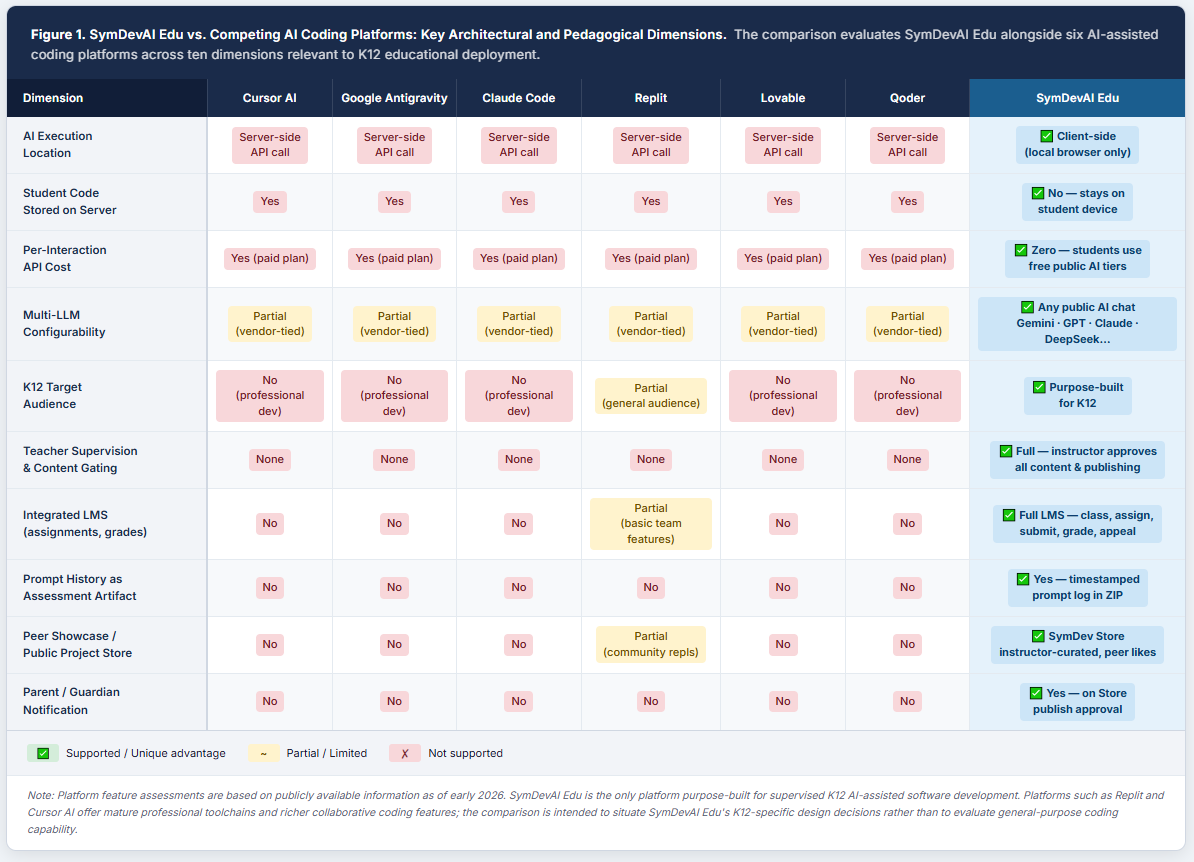
Figure 1. SymDevAI Edu vs. Competing AI Coding Platforms: Key Architectural and Pedagogical Dimensions.
The comparison table evaluates SymDevAI Edu alongside six widely used AI-assisted coding platforms (Cursor AI, Google Antigravity, Claude Code, Replit, Lovable, and Qoder) across ten dimensions relevant to K12 educational deployment. The table highlights SymDevAI Edu’s distinctive combination of client-side AI execution, zero per-interaction cost, teacher supervision, integrated LMS workflows, time-stamped prompt history, and curated peer showcase. Platforms such as Replit and Cursor AI offer mature professional toolchains, broader language support, and richer collaborative coding features; the comparison is intended to situate SymDevAI Edu’s K12-specific design decisions rather than to evaluate general-purpose coding capabilities. Platform feature assessments are based on publicly available information as of early 2026. Note: the AI-assisted coding landscape is evolving rapidly; for example, Google’s Project IDX was rebranded as Firebase Studio, which is scheduled to be sunset in March 2027, with Google Antigravity positioned as its successor. The platforms compared here were selected as actively maintained, widely used alternatives at the time of writing.
This architectural choice carries significant implications for cost, scalability, and data privacy. Because no LLM API calls are billed to the platform operator, SymDevAI Edu does not pass inference costs on to schools or students. Students leverage the free tiers of publicly accessible AI chat services, including Gemini, ChatGPT, Claude, and DeepSeek, and are never required to purchase a paid LLM subscription. Should a student exhaust the token limit of one provider mid-project, the platform’s multi-LLM configurability allows seamless switching to an alternative account, with the context refresh feature transferring project state to the new session, a design that also mitigates the hallucination risk that arises when LLMs are forced to handle excessively long contexts. This cost model is particularly significant in the K12 context, where budget constraints routinely prevent schools from adopting AI tools that charge per interaction or per token. From a scalability standpoint, because AI computation is distributed across students’ own devices and their chosen AI services, the SymDevAI Edu server infrastructure scales with user management load rather than with AI inference load, a fundamentally more sustainable architecture for institutional deployment at scale.
The client-side model also carries technical limitations that warrant honest acknowledgement. First, the platform’s operation is contingent on the continued public availability of free-tier AI chat services: changes to pricing models, usage caps, or terms of service by providers such as Google or OpenAI could disrupt classroom workflows without notice, and schools have limited ability to anticipate or negotiate such changes. Second, browser-based automation of AI chat interfaces depends on consistent front-end structures maintained by third-party providers; updates to those interfaces have, on at least two occasions during deployment, required corresponding updates to the SymDevAI Edu client-side layer. Third, institutional IT environments vary considerably: content-filtering proxies, strict same-origin policies, or devices with restricted browser extensions may prevent the platform from functioning as intended, and these constraints are not always discoverable until deployment begins. Finally, the distribution of AI computation across student devices means that the quality of the interaction experience is partly a function of each student’s hardware and network conditions, a consideration that is non-trivial in schools serving students from heterogeneous socioeconomic backgrounds. These limitations do not negate the architectural advantages described above, but they are genuine constraints that institutions should weigh when evaluating the platform for adoption.
The technical stack is deliberately lean: a Spring Boot backend handles authentication, session management, class and assignment data, and submission logistics, while the frontend is implemented in standard HTML, CSS, and JavaScript, requiring no heavy framework dependencies and ensuring compatibility across the range of device specifications typical in K12 school environments. The AI interaction loop follows an incremental, conversational structure: the student formulates a prompt, either by typing or through a voice-to-text interface, which is relayed to the configured AI chat service. The AI agent returns the generated code or guidance, which the student reviews, tests, and optionally refines through further prompts. This prompt → generate → review → iterate cycle (the pedagogical core of the platform) positions the student as an active decision-maker who evaluates AI output rather than a passive recipient who accepts it. The full three-zone architecture underlying this interaction model, including the separation of AI execution from the server-side infrastructure, is illustrated in Figure 2.
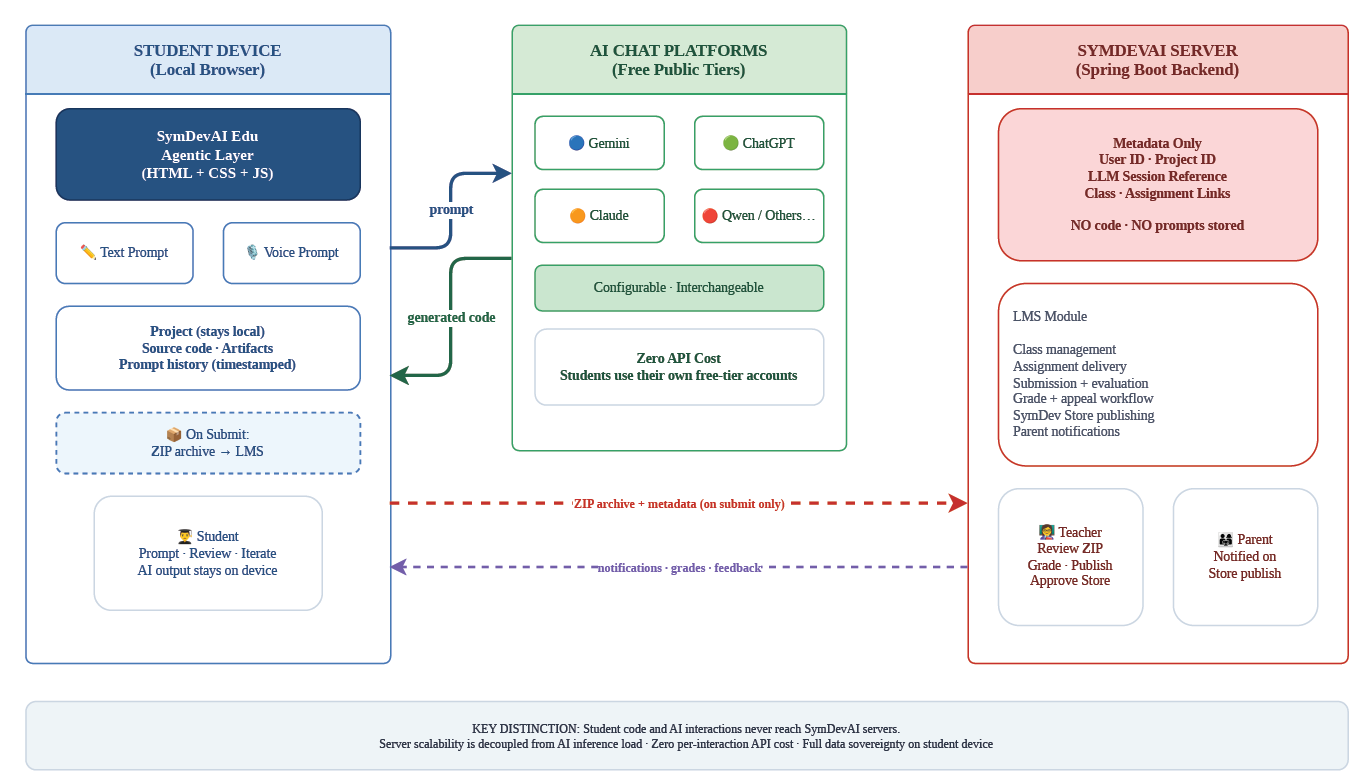
Figure 2. SymDevAI Edu System Architecture: Client-Side AI Execution Model.
The diagram illustrates the three-zone architecture of SymDevAI Edu. Student codes and AI interactions occur entirely within the local browser environment (left zone) through the platform's agentic layer, which communicates directly with freely available public AI chat platforms such as Gemini, ChatGPT, Claude, and DeepSeek (center zone). The SymDevAI servers (right zone) store only lightweight metadata (user ID, project ID, session reference) and host the LMS module. Student-generated code and prompt histories never traverse servers. A ZIP archive containing the source code, runnable artifacts, and timestamped prompt logs was transmitted to the LMS exclusively at the moment of assignment submission.
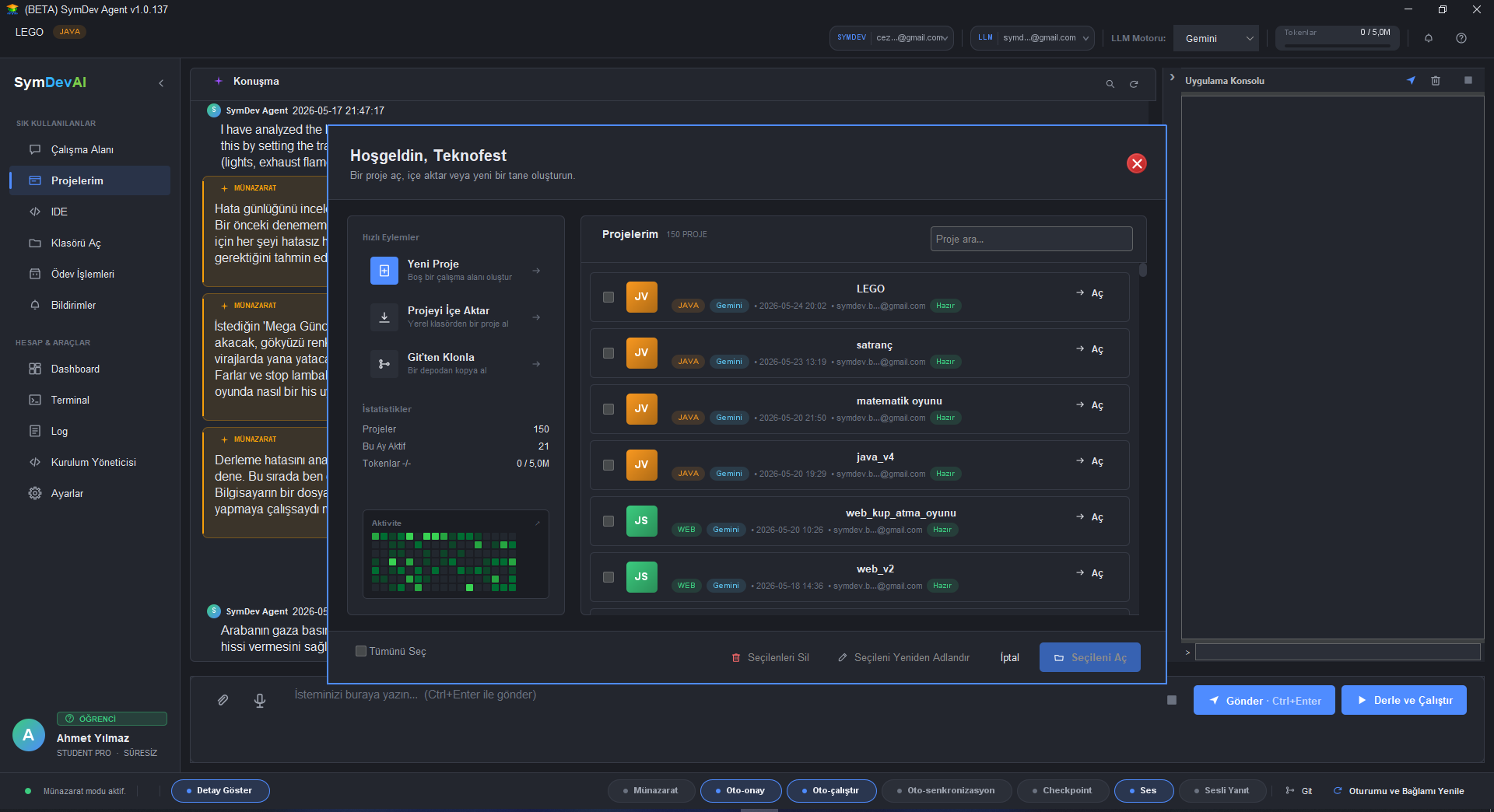
Figure 3. SymDevAI Edu Student Interface: Dual-Window Agentic Collaboration Model.
The screenshot depicts a live deployment session in which a K12 student interacts with SymDevAI Edu v1.0.137 (left window) and Google AI Studio running the Gemini model (right window). The left panel shows the Project Repository with 124 student projects, the LLM engine selector (Gemini), and the full toolbar, including voice input, context refresh, auto-approve, and the optional minimalist ChatBar mode. The right panel shows the active Gemini session to which SymDevAI relayed student prompts and retrieved the generated code autonomously. All code and project artifacts remain on the student’s local device; only metadata are stored on SymDevAI servers. The platform is accessible at https://symdevai.com/k12.html, and student projects are publicly showcased at the SymDev Store (https://symdevai.com/store-edu.html).
3.3. Learning Management System: Supervised Workflow from Enrollment to Evaluation
The LMS layer of SymDevAI Edu structures the institutional context within which AI-assisted development occurs. The enrollment workflow begins with the teacher opening a virtual classroom from their dashboard and generating a class-invitation code. Students submitted join requests using this code from their own dashboards, providing their profile information for teacher review. The teacher then individually approves or rejects each request, ensuring that class membership is always explicitly authorized, a design choice that mirrors the teacher-gating principle applied to content publication and establishes the supervisory relationship from the very first interaction.
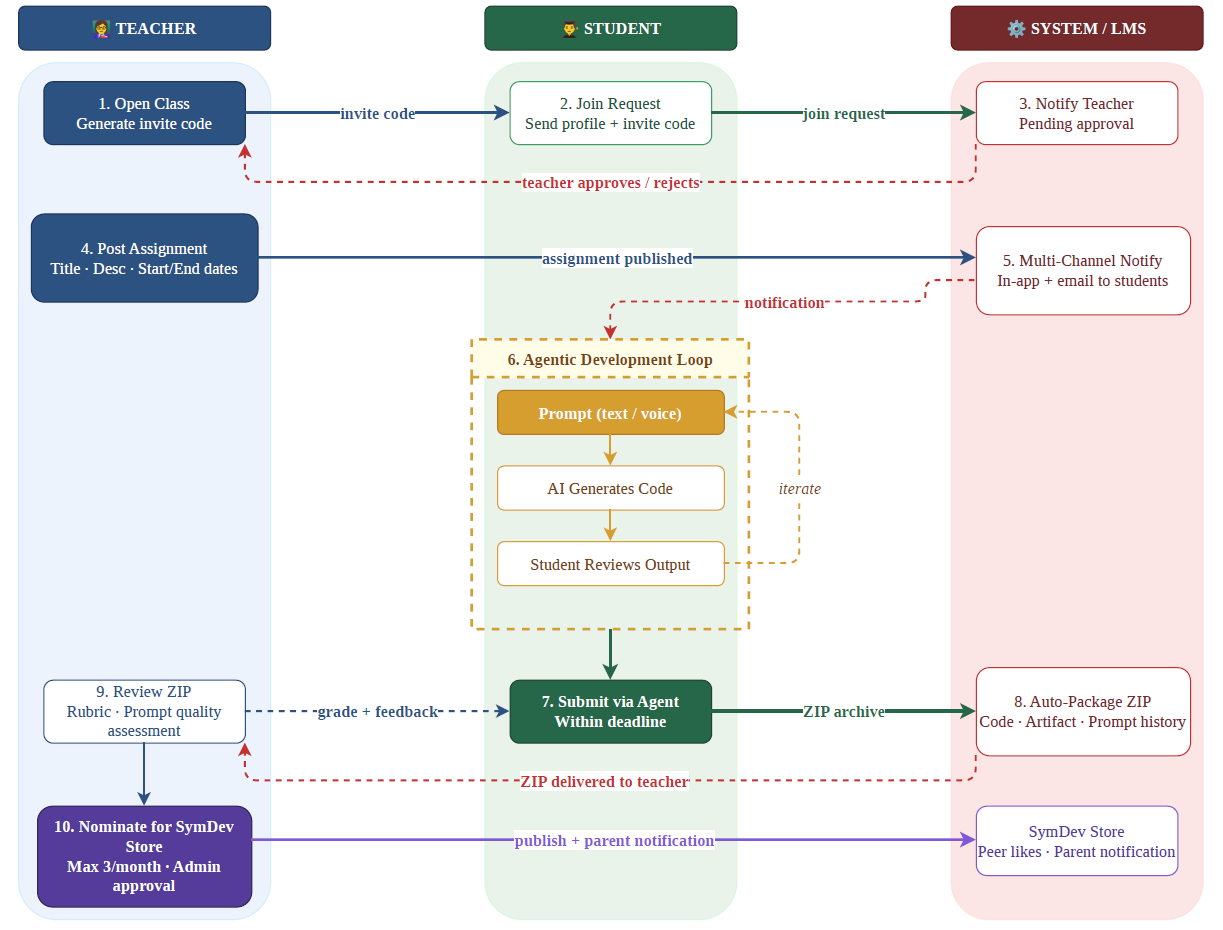
Figure 4. SymDevAI Edu: Supervised Agentic Learning Workflow.
Once a class is established, teachers may post announcements and create assignments directly from the class dashboard. Each assignment carries a title, a description, and configurable start and end dates. When an assignment is published or its deadline approaches, the platform dispatches automated multi-channel notifications: push notifications appear within all active SymDevAI agent sessions, and parallel email notifications are sent to student accounts, ensuring that assignment awareness is not dependent on active platform engagement. Students develop their submissions incrementally through the agentic AI interface, using either typed or voice-based prompts, and when ready, submit directly through the agent. At the moment of submission, the platform automatically compiles a structured ZIP archive containing: (1) all project source files; (2) the fully executable artifact; (3) any attached supporting files; and (4) the complete timestamped prompt history recording every AI interaction from project inception to submission. This archive is delivered to the teacher as the primary assessment artifact. The complete supervised workflow from class enrollment to SymDev Store publication, encompassing ten discrete steps across teacher, student, and system roles, is illustrated in Figure 4.
The swimlane diagram traces the end-to-end instructional process across three actors: Teacher, Student, and System/LMS. The workflow begins with class creation and student enrollment (Steps 1–3), proceeds through assignment publication and multichannel notification (Steps 4–5), and enters the core agentic development loop in which students iteratively prompt an AI chat platform, review the generated code, and refine their projects (Step 6). Upon submission (Step 7), the system auto-packages a ZIP archive (Step 8) delivered to the teacher dashboard for rubric-based evaluation, including prompt quality assessment (Step 9). Teacher-nominated projects undergo dual approval before publication in the SymDev Store with automated parent notifications (Step 10).
The inclusion of the timestamped prompt log as a mandatory submission component is a deliberate assessment design choice. In conventional AI-assisted programming assessments, evaluators face a fundamental attribution problem: it is difficult to determine how much of the submitted work reflects genuine student understanding versus uncritical AI output consumption. The prompt history externalizes the student’s cognitive process, making visible the quality of their problem decomposition, their ability to specify requirements precisely, their capacity to diagnose and correct AI errors, and their iterative refinement strategies. Teachers evaluate this record against a rubric that explicitly assesses prompt engineering competence alongside the quality of the final product, thereby measuring the student’s AI collaboration skill as a first-class learning outcome [6, 20, 23].
Table 3. Sample Prompt-History Assessment Rubric: Dimensions and Performance Levels
Rubric Dimension | Beginning (1) | Developing (2) | Proficient (3) |
Problem Decomposition | Prompts are vague or undifferentiated; no evidence of breaking the task into sub-goals | Some sub-goals identifiable but prompts inconsistently specific | Task systematically broken into clearly ordered, specific sub-prompts with explicit scope |
Specification Clarity | Prompts lack functional requirements; AI must infer most parameters | Key requirements stated but constraints often omitted | Functional requirements, constraints, and expected outputs stated with minimal ambiguity |
Error Recovery | No evidence of error diagnosis; student repeats identical prompts or abandons task | Errors recognised and prompts modified, but diagnostic reasoning implicit | Error described, cause hypothesised, corrective prompt explicitly targets identified fault |
Iteration Quality | Prompt sequence linear; no evidence of evaluating or building on prior outputs | Some refinement cycles visible; student occasionally references earlier output | Iterative cycles explicit; each prompt builds on prior output toward a stated goal |
Artifact Quality | Product incomplete or non-functional; does not address assignment specification | Product functional and meets core requirements; polish or scope may be limited | Fully functional, well-scoped; design decisions traceable to prompt history |
Table 4 presents the intended alignment between the platform’s principal features and the measurable educational outcomes. This mapping reflects design intent rather than confirmed causal relationships, and the current deployment phase has not generated sufficient data to test these links empirically. The table is offered to make the platform’s theory of change explicit and guide future evaluation efforts.
Table 4. Platform Feature to Educational Outcome Alignment (Design Rationale)
Platform Feature | Target Educational Outcome | References |
Prompt-generate-review-iterate cycle | Computational thinking; problem decomposition; AI literacy | [1, 6, 23] |
Timestamped prompt history as assessed artifact | Metacognition; prompt engineering competence; self-regulation | [6, 20, 23] |
Teacher-gated class and content approval | Responsible AI use; awareness of institutional norms and authority | [4, 17] |
SymDev Store (quality-gated publication) | Intrinsic motivation; audience-aware design; collaborative culture | [8, 11, 14] |
Grade appeal workflow | Metacognitive reflection; self-advocacy; procedural fairness literacy | [15, 17] |
The grading workflow supports bidirectional transparency. After the teacher records a score and submits the evaluation, the student receives an immediate notification and can view the grade alongside any written feedback. A structured appeal mechanism allows students to submit written clarifications or objections, which the teacher may address before finalizing the record. This appeals process not only supports procedural fairness but functions as a metacognitive prompt: students who engage with their evaluation are encouraged to reflect on the gap between their intentions, their prompt strategies, and the quality of the output they produced.
3.4. The SymDev Store: Peer Recognition, Open-Source Culture, and Pedagogical Risks
The SymDev Store is the public-facing showcase layer of the SymDevAI Edu ecosystem. From among the assignments they have evaluated, teachers may nominate up to three student projects per month for publication to the Store, a deliberate scarcity constraint that encourages teachers to exercise genuine curatorial judgment rather than publishing indiscriminately. Each nomination is routed to a platform administrator for final approval, creating a two-tier publication gate (teacher nomination followed by admin confirmation) that ensures that all publicly visible content meets both pedagogical and platform-wide quality standards. When a project is approved for publication, the student’s parent or guardian receives an automatic notification, a design choice that transforms the Store from a peer platform into a family-facing achievement system, acknowledging the important role of parental recognition in sustaining K12 student motivation [19].
Published projects are displayed with the project title and a runnable or viewable version of the artifact only. In compliance with the KVKK (Turkish Personal Data Protection Law) and data-privacy principles, no student names, school names, ages, cities, or teacher information appear anywhere in the SymDev Store; public peer recognition therefore attaches to the project itself rather than to any identifiable individual. Platform users, including fellow students, teachers, and parents, may interact with published projects and award likes, providing a lightweight but socially meaningful peer recognition signal. Unlike commercial app stores or social media platforms that optimize engagement through algorithmic amplification, the SymDev Store operates on a quality-gated, low-volume curation model: because only a limited number of projects can be published per teacher per month, every project that appears in the store carries implicit institutional endorsement. This bounded curation model aligns with the literature on tailored gamification, which suggests that recognition mechanisms derive their motivational power from scarcity and authenticity rather than abundance [14]. The Store also serves an implicit cultural function: by making K12 software products visible and laudable, it communicates to students, parents, and the broader school community that computational authorship, the capacity to direct AI tools towards the production of functional, purposeful software, is a valued and visible form of academic achievement [6, 8].
A candid assessment of the SymDev Store design also requires an acknowledgement of its potential risks. Public display of student work, however carefully curated, introduces the possibility of unfavorable peer comparison: students whose projects are not selected may interpret the absence of nomination as a negative evaluation of their ability rather than as a routine consequence of scarcity constraints. The likes-based recognition mechanism, while less amplified than commercial social media, is still a popularity signal, and there is no structural guarantee that the most educationally ambitious or technically complex projects will receive the most likes. Visibility and appeal to a general audience may favor superficial projects over more sophisticated ones. There is also a potential equity dimension: students with stronger prior computing experience or access to higher-performance devices may be more likely to produce polished, nomination-worthy artifacts, which could reinforce, rather than reduce, within-class achievement disparities. Teachers should be aware of these dynamics when making nomination decisions, and future platform iterations could explore anonymized presentation modes or rubric-weighted visibility to mitigate popularity-driven recognition effects. These concerns do not undermine the Store’s motivational and cultural functions, but they are genuine tensions that warrant attention as the platform expands.
4. Results
SymDevAI Edu has been deployed in active educational settings as a voluntary pilot, providing a basis for implementation-level observations across four dimensions: architectural performance, pedagogical workflow, student engagement, and institutional governance. At the time of writing, the platform is in active use across two middle schools and one university course, with three instructors and ninety-seven registered student users. This section reports the findings from the real-world deployment, drawing on instructor feedback, platform usage patterns, and observed learning behaviors. Quantitative longitudinal data collection is ongoing; therefore, the findings reported here are primarily qualitative and descriptive, reflecting the early deployment phase of the platform.
The client-side execution architecture performed as designed across the deployment sites. Because AI inference runs through students’ existing free-tier accounts on public AI chat platforms rather than through platform-managed API calls, the SymDevAI Edu servers experienced no inference-related load spikes during the class sessions. This validated the core scalability claim of the architecture: the server load was effectively decoupled from the intensity of the AI interaction activity. Instructors reported that the absence of per-interaction costs removed a common institutional barrier to AI adoption, namely, the concern that high student engagement would result in unexpectedly large API bills. The multi-LLM configurability of the platform also proved practically significant: in contexts where one AI service experienced degraded performance or access restrictions, classes were able to switch to an alternative provider (e.g., from Gemini to ChatGPT or Claude) without any change to the platform’s workflow or data structures [2, 3]. As illustrated in Figure 1, to our knowledge, SymDevAI Edu is the only platform among those examined that combines client-side execution, zero API cost, full teacher supervision, integrated LMS functionality, and timestamped prompt history within a single K12-oriented ecosystem.
Within the LMS workflow, the enrollment and assignment management features were adopted without significant friction across all three participating institutions. Teachers reported that the class formation process (opening a virtual class, distributing an invitation code, and individually approving student join requests) established a sense of deliberate institutional structure from the outset, reinforcing rather than replacing conventional classroom authority. The assignment submission workflow, which compiles a ZIP archive of source code, executable artifact, attachments, and a timestamped prompt history, was noted by teachers as the single most valuable feature for assessment integrity. Several teachers reported that reviewing the prompt logs led them to broaden their evaluation practices: rather than judging the submitted product alone, they began to attend to students’ ability to decompose problems, recover from AI errors, and refine their specifications across iterations, competencies that are not visible in conventional code submission workflows but are central to effective AI collaboration [20, 23]. The grade appeal mechanism was used by students in a minority of cases, but its availability was consistently noted by teachers as contributing to students’ perception of procedural fairness. One of the participating teachers, who had previously taught the same age group using Scratch over multiple academic years, offered a qualitative comparison: in her assessment, students reached a comparable level of functional project completion in approximately five weeks with SymDevAI Edu, relative to roughly fifteen weeks under a Scratch-based curriculum. This observation reflects a single teacher’s informal judgment rather than a controlled measurement, and no pre- and post-assessments were administered to corroborate it. It is reported here as a practitioner perspective that may inform the design of future comparative studies.
The SymDev Store generated observable motivational effects that extended beyond conventional classroom recognition mechanisms. Students whose projects were selected for publication exhibited increased engagement in subsequent assignments, consistent with the positive feedback dynamics of gamification based on peer recognition documented in the literature [11, 13]. The parental notification feature, which is triggered when a project is approved for store publication, was positively received by both teachers and parents. Parents reported feeling more connected to their children’s computational learning activities, and teachers noted that parental awareness of specific achievements created new opportunities for family-level conversations about AI literacy. The monthly ceiling of three publications per instructor, initially perceived by some instructors as a constraint, was retrospectively described by most as a valuable curatorial discipline that made publication genuinely prestigious rather than routine [14]. No instances of inappropriate content reaching the Store were reported during the deployment period, reflecting the effectiveness of the two-tier approval gate (teacher nomination followed by administrator confirmation) as a content moderation mechanism consistent with the ethical frameworks reviewed in Section 2 [15, 17].
While the current deployment phase does not support statistically generalisable claims, a set of deployment-level indicators can be reported to characterise platform usage patterns. Across the three participating institutions during the observation period, the assignment submission rate, defined as the proportion of assigned tasks for which a ZIP archive was received by the teacher, was approximately 84%, which teachers considered broadly consistent with submission rates observed in non-AI-assisted coding assignments in the same classrooms. Platform interaction logs from a subset of assignments indicate that students averaged between eight and fourteen AI interaction turns per project. Informal observation suggested that students with more prior computing experience tended toward higher iteration counts and more targeted error-recovery prompts, though this pattern was not systematically measured. The multi-LLM configurability feature was invoked on only one or two occasions over the course of the deployment, when a provider’s free-tier daily limit was reached mid-session; in each case, the context refresh mechanism allowed the student to continue work without loss of project state. Five student projects were published to the SymDev Store during the observation window across the two K12 schools, representing approximately one-fifth of teacher-nominated submissions and reflecting the filtering effect of the two-tier approval gate. These figures are offered as descriptive indicators of platform uptake rather than as outcome measures; they are not sufficient to draw inferences about learning gains or to make comparisons with control conditions. A planned longitudinal study will address these limitations using pre-registered instruments for computational thinking and AI literacy assessment.
5. Conclusion
This chapter has presented SymDevAI Edu as a purpose-built supervised agentic AI ecosystem for K12 education, arguing that the binary framing dominant in educational policy discourse (prohibit AI or accept it uncritically) obscures a third and more pedagogically productive path: principled, architecturally governed integration. The platform addresses four of the most persistent challenges in AI-augmented K12 computing education simultaneously: the risk of cognitive offloading, the erosion of teacher authority, the cost barrier to institutional AI adoption, and the absence of authentic, audience-aware assessment for AI-assisted work.
The platform’s most distinctive architectural feature is its client-side AI execution model, which decouples student learning activities from server-side inference costs. By routing AI interactions through students’ existing free-tier accounts on publicly accessible chat platforms rather than through platform-managed API calls, SymDevAI Edu achieves a cost structure that is genuinely accessible to K12 institutions operating under tight budget constraints. This design also carries a privacy dividend: student codes and project content never traverse the platform’s own servers, addressing the data sovereignty concerns that have deterred many institutions from adopting cloud-dependent AI tools [15, 17, 25]. The multi-LLM configurability of the system further ensures that no institutional dependency on a single AI provider is created and that the platform remains functional as the AI service landscape continues to change.
The pedagogical contributions of the platform center on two innovations: the timestamped prompt history as a mandatory assessment artifact and the SymDev Store as a quality-gated peer recognition system. The prompt log externalizes the cognitive process of AI collaboration, making it visible and directly assessable in K12 contexts. It transforms the question of assessment from “what did the student produce?” to “how effectively did the student direct the AI towards a purposeful outcome?”, a question that is far more diagnostically meaningful in the era of capable generative AI [6, 20, 23]. The SymDev Store closes the motivational loop by connecting individual student achievement to a public audience of peers, teachers, and family members, instantiating the constructionist principle that learning is deepened when learners produce shareable artifacts for real audiences [8, 14]. The platform is publicly accessible to educators and institutions at https://symdevai.com/k12.html, and the full catalogue of teacher-approved student projects is openly browsable at the SymDev Store (https://symdevai.com/store-edu.html), providing a live demonstration of the computational artifacts K12 learners can produce under supervised agentic AI guidance.
The present study has several limitations. The implementation findings reported in Section 4 are primarily qualitative and observational, drawn from early deployment rather than from a controlled longitudinal study with pre-registered outcome measures. Future research should pursue rigorous comparative studies measuring prompt engineering skill development, computational thinking gains, and motivational trajectories across SymDevAI Edu cohorts relative to control groups receiving conventional CS instruction or unstructured AI access. The platform’s dependence on publicly accessible AI chat services also introduces a category of risk not present in fully closed systems: changes in the terms of service, pricing, or availability of third-party AI providers could affect the student experience, and this dependency warrants monitoring as part of ongoing governance. Additionally, while the two-tier content approval mechanism has proven effective in early deployments, its scalability as class and school volumes increase has not been systematically evaluated.
Despite these limitations, SymDevAI Edu offers a concrete implementation reference for the growing field of agentic AI in education. Early deployment findings suggest that supervised agentic integration is technically feasible, institutionally affordable, and pedagogically coherent at the K12 level, and that the teacher need not be displaced by the arrival of capable AI agents but can instead be repositioned as the orchestrator of a richer, more accountable learning ecosystem. As generative AI capabilities continue to advance and the pressure on K12 institutions to respond thoughtfully intensifies, architectures of this kind, which preserve human judgment at consequential decision points while harnessing AI’s generative power in the service of authentic student work, offer a principled and replicable model for the field [1, 7, 16].
Several specific directions for future research emerge from the findings and limitations of this study. The most immediate priority is a rigorously designed longitudinal study comparing computational thinking development, AI literacy gains, and motivational trajectories in SymDevAI Edu cohorts against control groups receiving either conventional computing instruction or unstructured AI access. Such a study should employ pre-registered outcome measures, for example, the Computational Thinking Scale [30] or the AI Literacy framework proposed by Ng et al. (2021) [23], and should track outcomes across multiple assignment cycles rather than at a single time point. Second, the scalability of the supervised agentic model warrants investigation as the platform expands beyond its current three-institutional pilot deployment. Specifically, it remains unclear whether the quality of teacher prompt-log reviews is sustainable when class sizes increase, and whether the two-tier SymDev Store approval gate can maintain its curatorial function without creating administrative bottlenecks at higher volumes. Third, the cross-cultural applicability of the platform’s pedagogical model deserves further attention. The current deployment is situated in Turkish K12 and university settings, and the assumptions embedded in the constructionist and gamification literature that underpin the platform’s design, about the motivational function of peer recognition, the role of parental engagement, and the cultural valuation of public achievement display, may not transfer uniformly to other educational contexts. Comparative deployment studies in different national and institutional settings would considerably strengthen the generalizability of the design principles advanced here. Finally, the ethical questions raised in Section 2.3 regarding age-appropriate AI interaction and the psychological effects of AI-mediated learning environments call for empirical investigation: longitudinal studies tracking students’ developing mental models of AI, their tolerance for productive struggle, and their capacity for critical evaluation of AI outputs would help determine whether prompt-history pedagogy achieves its intended goal of fostering active direction rather than passive consumption.
ACKNOWLEDGEMENT
The author thanks the participating institutions, instructors, and students whose engagement with SymDevAI Edu made the real-world deployment observations reported in this chapter possible.
FUNDING
This study received no external funding.
AUTHORS’ CONTRIBUTIONS
M. Ataş is the sole author of this chapter and was responsible for the conceptualization, system design and development, deployment, data collection, analysis, and writing of the manuscript in its entirety.
CONFLICT OF INTEREST
The author declares no conflict of interest.
DATA AVAILABILITY
The SymDevAI Edu platform is publicly accessible at https://symdevai.com/k12.html. The student project showcase is openly browsable at https://symdevai.com/store-edu.html. No additional datasets were generated or analyzed during the preparation of this chapter.
ETHICAL STATEMENT
The retrospective deployment findings reported in this chapter were gathered during routine instructional activities in the 2025–2026 academic year. The platform was adopted voluntarily by all participating instructors and students; no separate research protocol was imposed, and no research-specific instruments were administered.
All student users completed a mandatory KVKK (Turkish Personal Data Protection Law) acknowledgement checkpoint before accessing the platform. For middle school participants, this process was conducted under direct instructor supervision within the classroom. Student-generated content, including prompt histories, resided exclusively on students’ local devices and was transmitted only to the supervising instructor at submission as part of standard academic assessment; no such content was stored on platform servers beyond the instructor’s assessment access, extracted, or individually analyzed for this chapter. The findings reported here are based exclusively on aggregate platform indicators (session counts, submission rates, LLM provider selections) and informal instructor feedback, which do not constitute personally identifiable data under the KVKK.
Because the deployment was carried out as routine instructional activity and the data reported consist solely of aggregated operational records (session counts, submission rates, and LLM provider selections) and informal instructor feedback, with no collection or analysis of individually identifiable student data for research purposes, the activity did not, in the authors’ assessment, constitute human-subjects research requiring institutional ethics-committee review, and such review was therefore not sought. All personal-data handling complied with the KVKK, and the platform’s data-minimizing, client-side architecture ensured that student-generated prompt content was visible only to each student’s own teacher, within the classroom, for that teacher’s routine assessment; it was at no point transmitted to, accessible by, viewed by, or evaluated by the author or the platform, and it was not used as research data in this chapter.
DECLARATION OF AI USAGE
The author used Claude (Anthropic) and Gemini (Google) in the preparation of this chapter. These tools assisted with language refinement, structural editing, and content drafting at various stages of the writing process. All AI-assisted content was critically reviewed and revised as necessary, and the author takes full responsibility for the integrity and accuracy of the final text.