

Abstract
Agentic AI, Trust, and Social Acceptance: Governance for Autonomous Socio-Technical Systems
Keywords
Agentic AI, Trust, Social Acceptance, Governance, Autonomous, Socio-Technical Systems, Autonomous Socio-Technical Systems
1. Introduction: From Agentic Autonomy to Trust and Governance
1.1. Background and Context
The nexus of technological capability, human judgment, and institutional decision-making is profoundly altered by agentic artificial intelligence (AI) systems. In the past, AI applications have primarily benefited human actors by generating predictions, classifications, recommendations, or other analytical output for further evaluation [1]. Furthermore, agentic AI systems demonstrate varying degrees of adaptability, context reasoning, autonomy, goal-oriented behavior, tool use, and interaction with users or other artificial agents [2], [3]. They are capable of establishing objectives, coordinating actions, making intermediate decisions, and functioning in dynamic socio-technical environments. Consequently, their adoption cannot be merely attributed to technical performance. It is also contingent upon the comprehension, trust, supervision, contestation, and legitimization of autonomous behavior by human consumers, organizations, affected communities, and regulatory institutions. The defining characteristics of agentic AI—adaptability, autonomy, goal orientation, and the ability to take action—create novel conditions for social acceptance. Autonomy allows the systems to operate with minimal human intervention and to make decisions based on internal representations of environmental conditions and objectives [4]. Goal orientation enables agents to assess various courses of action and select those that are most consistent with their intended objectives and feedback [5], [6]. Adaptability allows systems to respond to changing contexts and ambiguity, and these capabilities have the potential to enhance coordination, personalization, efficiency, and decision support. Moreover, they express apprehensions regarding the perceived loss of control, the opacity of systems, responsibility gaps, algorithmic bias, overreliance, under-trust, contestability, and institutional accountability [7], [8].
Consequently, the implementation of agentic AI is contingent upon the establishment of trust. In conventional human-technology interactions, trust is frequently linked to perceived utility, reliability, and usability [9]. Trust becomes more intricate in agentic environments, where users may need to depend on systems that act, adapt, and coordinate with minimal direct supervision. Perceived competence, transparency, predictability, integrity, congruence with user values, and the credibility of institutions that implement or administer the system are all necessary components of trust building [10], [11]. Trust calibration is of the utmost importance, as both an excessive and insufficient amount of trust can result in adverse consequences. Users may relinquish their judgment to systems that are not well understood due to overtrust. The beneficial utilization of systems that could assist in making better decisions can be impeded by undertrust. Trust in individuals is not the sole determinant of social acceptance. Users, organizations, professional groups, affected communities, and society as a whole are willing to tolerate, adopt, depend on, or legitimize autonomous agents in specific domains of practice. Perceived benefits and risks, fairness concerns, privacy expectations, cultural norms, institutional credibility, and the presence of meaningful human governance all influence public and organizational responses to agentic AI [12], [13], [14]. The incorporation of autonomous agents in various sectors, including finance, energy, public administration, health care, transportation, customer interaction, and enterprise management, has resulted in the emergence of domain-specific inquiries regarding accountability, decision authority, reversibility of outcomes, and vulnerability [15], [16], [17]. Consequently, social approval should be considered a conditional, context-dependent process rather than a direct consequence of technological advancement. Governance is the third fundamental dimension of this chapter. Governance arrangements that address transparency, explainability, accountability, fairness, auditability, human supervision, contestability, and redress are necessary for agentic AI systems. The governance structures that are currently in place may be insufficient to accommodate the planning, coordination, use of tools, interaction with other agents, and adaptation of autonomous systems following their deployment [18], [19]. Therefore, effective governance cannot be solely defined by abstract ethical principles. It is necessary to operationalize responsibility. This includes documentation, impact assessment, audit traces, escalation pathways, appeal procedures, post-deployment monitoring, institutional accountability, and more. The legitimacy of agentic AI will be determined by the presence of human agency, procedural transparency, and accountable governance in addition to technical autonomy.
1.2. Problem Statement and Literature Gap
The existing literature on agentic AI is analytically disjointed, spanning technical, behavioral, ethical, and governance-oriented discourses. Technical studies have investigated the domain of autonomous agents, LLM-based reasoning, tools integration, planning, memory systems, and multi-agent coordination [20], [21], [22]. Usability, explainability, collaboration, trust, and reliance have been investigated in the context of human–AI interaction research. Accountability, fairness, transparency, regulatory supervision, and ethical risk are all topics that are addressed in governance-related research [19], [23], [24]. These streams provide valuable insights; however, the connection between system capability, perceived agency, trust development, risk and control perceptions, social acceptability, and governance legitimacy is still not well integrated.
Agentic AI systems are not evaluated by users in the same manner as conventional digital tools, which is why this divide is significant. Agentic systems can be regarded as active agents in task execution and decision-making, in contrast to previous AI systems that typically generated outputs that were subsequently reviewed by humans [25], [26]. The acceptance criteria are altered by this modification. Not only can users assess the utility or performance of agentic AI, but they can also assess its autonomy, predictability, controllability, fairness, transparency, and alignment with human values and principles. While existing technology acceptance models provide a beneficial starting point, they are primarily intended for technologies that facilitate or mediate human action. The interaction becomes more intricate if the AI is agentic, as the system may appear to possess operational authority, intentionality, and agency.
An additional blind spot is the absence of integration between the individual and the institutional level. Trust research typically concentrates on user confidence, transparency, competence, and perceived reliability. Accountability, compliance, fairness, regulatory supervision, and risk management are the primary areas of focus in governance studies. In agentic AI systems, these levels are inextricably linked. Trust from users can be contingent upon the performance of the system, the credibility of the institution, the presence of human supervision, the existence of appeal mechanisms, the fairness of the outcomes, and the ability to challenge autonomous decisions [27], [28]. Therefore, the process of social consent is shaped by the interplay of human cognition, organizational practice, technical design, and the legitimacy of governance.
The literature on domain-sensitive analysis is also nonexistent. Customer interaction, healthcare, smart energy, finance, transportation, public services, and enterprise management are all potential applications for agentic systems. However, the requirements for governance and acceptability will vary depending on the specific context. The behavioral, ethical, and institutional concerns of clinical decision-support agents, autonomous energy management agents, and customer service agents (low risk) [29], [30] are distinct. The necessity of supervision, explanation, and accountability is contingent upon the domain risk, decision authority, user vulnerability, institutional trust, and reversibility of outcomes [18], [31]. Therefore, the primary issue that this chapter addresses is the necessity of a comprehensive socio-technical framework that elucidates the mediation of agentic AI adoption through perceived agency, trust calibration, risk and control perceptions, behavioral acceptability, and governance legitimacy.
1.3. Aim, Purpose, and Research Questions
The adoption and legitimacy of agentic AI systems are contingent upon the interplay of technical capability, human interpretation, trust formation, risk perception, social acceptability, and governance structures. In this chapter, we investigate these systems as autonomous socio-technical ones. The chapter investigates agentic AI as a transformation in human-technology relations, institutional decision-making, public accountability, and institutional responsibility. There are three objectives in the chapter. Initially, it investigates the impact of perceived agency, anthropomorphism, trust calibration, algorithmic trust, algorithmic aversion, perceived control, perceived risk, and communication strategies on social acceptance and trust. Secondly, it establishes a comprehensive conceptual model of the adoption of agentic AI that incorporates system capabilities, perceived agency, perceived risk and control, trust development, behavioral acceptability, and governance legitimacy. Third, it investigates the ethical, institutional, and policy implications of agentic AI, with a particular emphasis on accountability, explainability, fairness, human supervision, contestability, regulatory design, and organizational transformation. Through these objectives, this chapter endeavors to clarify the reasons why even agentic AI systems that are technically practicable may still encounter hesitancy, resistance, selective uptake, or legitimacy concerns. The primary contention is that acceptance is not solely determined by technical capacity. Its consequences are mediated by human interpretation, perceived agency, risk-control evaluation, trust calibration, institutional credibility, and governance arrangements. This viewpoint presents the potential for a more complex comprehension of the manner in which autonomous agents are institutionalized, governed, resisted, accepted, or trusted in practice. The subsequent research inquiries serve as the foundation for this chapter:
RQ1. What are the cognitive, behavioral, communicative, and institutional factors that influence the social acceptability and trust of agentic AI systems?
RQ2. In what ways do human responses to autonomous agents influence perceived agency, perceived risk, perceived control, algorithmic trust, and algorithmic aversion?
RQ3. In what ways can an integrated conceptual model elucidate the connection between the legitimacy of governance, the formation of trust, the adoption of behavioral norms, and the capabilities of agentic systems?
RQ4. In what ways do domain-specific conditions, such as decision authority, user vulnerability, outcome reversibility, and institutional trust, influence the adoption and governance of agentic AI systems?
RQ5. What ethical, organizational, and policy prerequisites are essential for the deployment of agentic AI that is socially legitimate, fair, explainable, and accountable?
1.4. Scope of the Study
The scope of this chapter is conceptual, analytical, and application-oriented. This chapter examines agentic AI systems as autonomous socio-technical systems that influence human judgment, organizational routines, institutional accountability, and public trust. The sole discussion of technical capabilities is in the context of their impact on perceived agency, trust, acceptability, control, accountability, and governance. Behavioral, ethical, organizational, and policy components are prioritized.
Five significant analytical domains are addressed in this chapter. The initial group includes social acceptability and behavioral response, perceived agency, anthropomorphism, trust development, algorithmic trust, algorithmic aversion, automation anxiety, perceived control, and communication strategies. Secondly, the development of a conceptual model that connects the capabilities of agentic systems to perceived agency, risk and control perceptions, trust calibration, behavioral acceptability, and governance legitimacy. The third is a domain-sensitive adoption analysis that concentrates on finance, public services, enterprise environments, healthcare and clinical decision agents, smart energy systems, and customer interaction systems. Fourth, an examination of ethics and governance, which encompasses accountability, transparency, explainability, fairness, human supervision, auditability, contestability, and redress. The fifth category is institutional and policy-oriented analysis, which encompasses long-term societal implications, adaptive governance, regulatory supervision, agentic AI literacy, and organizational transformation. This scope is suitable for a rapidly evolving field in which agentic AI cannot be evaluated using a standardized adoption logic. Consequently, the chapter views acceptance and governance as context-dependent processes that are influenced by the availability of meaningful human intervention, the level of autonomy, user vulnerability, institutional credibility, and domain risk.
1.5. Significance, Original Contribution, and Practical Implications
The socio-technical explanation of the adoption and governance of agentic AI is what renders this chapter significant. Currently, the primary focus of discussions regarding autonomous agents is on their technical capabilities, including scalability, memory, planning, orchestration, reasoning, and tool use. These dimensions are significant; however, they do not completely elucidate the degree to which agentic AI systems will be institutionally legitimized, contested, resisted, or trusted. This chapter directly connects technical autonomy to human cognition, behavioral response, organizational practice, ethical accountability, and governance legitimacy in order to address this challenge. Three contributions are made by the chapter. Initially, it conceptualizes the adoption of agentic AI as a multi-level process that is influenced by the interaction of human interpretation and system capability. Acceptance is not necessarily synonymous with adaptability, autonomy, and goal orientation. Their effects are mediated by perceived agency, perceived risk, perceived control, trust formation, communication, and institutional credibility. This is the reason why technically advanced systems may encounter opposition if they are perceived as uncontrollable, unjust, misaligned, or inadequately accountable. Secondly, the chapter provides a consolidated conceptual model of the relationships between the capabilities of agentic systems, perceived agency, risk and control perceptions, trust calibration, behavioral acceptability, and governance legitimacy. This model expands upon conventional technology acceptance perspectives by integrating dimensions that are particularly relevant in agentic contexts, such as autonomy, role delegation, responsibility gaps, contestability, human oversight, and institutional trust. Therefore, the chapter serves as a conceptual link between the literature on social acceptance, organizational analysis, ethics, and debates on AI governance, as well as research on human–AI interaction. Thirdly, the chapter improves the practical relevance of the discussion by examining agentic AI in a few specific domains, including finance, public services, enterprise contexts, healthcare decision agents, and smart energy systems. Different arrangements of autonomy, trust, risk, vulnerability, supervision, accountability, and reversibility of outcomes are represented by these domains. This comparative perspective demonstrates that the adoption of agentic AI cannot be assessed using a singular acceptance logic. The governance requirements will be contingent upon the degree of risk in the domain, the authority to make decisions, the vulnerability of users, the trust in the institution, and the mechanisms for redress, appeal, and explanation. The objective of this chapter is to offer a comprehensive conceptual framework for comprehending the governance, social acceptability, and trust of agentic AI in autonomous socio-technical systems. The framework offers researchers a theoretically grounded structure for investigating the relationships between perceived agency, trust calibration, perceived control, risk perception, behavioral acceptance, institutional credibility, and legitimacy of governance. It also facilitates comparative research among sectors that exhibit significantly varied levels of autonomy, accountability, vulnerability, and human oversight. The chapter emphasizes that the adoption of agentic AI for organizations is more about institutional readiness than simply incorporating the technology. Organizations must establish responsibility structures, monitoring and audit mechanisms, prepare employees for supervisory and interpretive roles, ensure agentic AI literacy, and ensure that autonomous operations are consistent with professional norms, legal obligations, and institutional values. Therefore, the implementation of agentic AI should be perceived as an organizational transformation that involves the reorganization of governance, the adaptation of the workforce, the management of risk, and the establishment of ethical accountability. The chapter emphasizes the importance of risk-sensitive and adaptive governance frameworks for policymakers and regulators. Autonomous agents deployed in low-risk and reversible contexts necessitate less robust safeguards than systems deployed in healthcare, finance, energy, public administration, transportation, or critical infrastructure. Such safeguards may encompass documentation standards, impact assessment, human supervision requirements, post-deployment monitoring, incident reporting, auditability, explanation mechanisms, appeal procedures, and redress pathways. In practical terms, the chapter contends that the future legitimacy of agentic AI will be contingent upon the alignment of technical autonomy with human agency, institutional responsibility, and social trust. Efficiency, personalization, coordination, decision support, and service quality are anticipated to be significantly enhanced by agentic systems. If users perceive these systems as opaque, uncontrollable, unjust, or inadequately accountable, they will persist in offering fragile advantages. Consequently, the co-design of governance infrastructures that can address foreseeable and emergent risks, accountable institutions, meaningful human supervision, and trustworthy interaction is necessary for responsible agentic AIs. The chapter transitions from behavioral mechanisms to conceptual integration, domain-sensitive application, governance analysis, and future-oriented reflection. It initially delineates the cognitive and behavioral foundations of social acceptance, which include perceived agency, anthropomorphism, trust formation, algorithmic trust, algorithmic aversion, perceived control, and communication strategies. Afterward, it creates a conceptual model that is incorporated and applies it to a specific domain. The chapter subsequently examines the ethical, governance, and policy implications of accountability, transparency, explainability, fairness, human oversight, contestability, redress, and adaptive governance. It concludes with a discussion of future directions for organizational transformation, changing human roles, agentic AI literacy, and long-term socio-technical implications.
2. Social Acceptance and Behavioral Responses to Agentic AI
The determinants of social acceptance and human behavioral responses have been the subject of scholarly and practical interest due to the prevalence of agentic AI systems in socio-technical environments. The degree of autonomy, goal-directedness, and adaptability that agentic AI systems exhibit is a significant factor in the way in which individuals perceive, assess, and interact with these technologies, setting them apart from traditional automation. Social acceptance is not solely determined by technical performance; rather, it is the result of a multifaceted interplay of cognitive, psychological, and institutional factors. In the context of agentic AI, social acceptance is the propensity of affected individuals, organizations, and communities to tolerate, use, rely on, or legitimate autonomous systems in specific domains of practice. It is conditional assent; it is not automatic. It is contingent upon the extent to which users believe the system is competent, comprehensible, controllable, equitable, consistent with human values, and integrated into accountable institutional frameworks. We examine the impact of communication strategies, algorithmic attitudes, trust formation, and perceived agency on public responses to agentic AI systems. The section also addresses the fact that behavioral responses to agentic AI are frequently ambivalent. At the same time, users may express apprehension regarding the loss of control, opacity, privacy, job displacement, bias, and responsibility gaps, while also appreciating the efficiency, personalization, and convenience of autonomous agents. This ambivalence is essential for comprehending the reasons why technically capable systems may still be met with hesitancy, resistance, or selective acceptance in practice.
2.1. Perceived Agency and Human Cognition
The degree to which individuals attribute agency to agentic AI systems significantly influences their responses. The degree to which an entity is perceived as capable of acting independently, having intentions, and making decisions is referred to as perceived agency [32]. Users of agentic AI frequently interpret the system's actions using cognitive frameworks that have been traditionally employed to analyze human actors. The degree of autonomy, responsiveness, and apparent goal-directedness of the system influences attribution. The more a system appears to take the initiative, adapt to context, pursue objectives, or respond conversationally, the more likely it is that users will perceive it as an agent, rather than a passive computational tool. This alteration in perception is analytically significant because it alters the foundation for the users' assessment of the system. They may begin to assess the system in terms of intent, reliability, responsibility, and social appropriateness, in addition to its functionality. These perceptions are substantially influenced by anthropomorphism [33]. When AI systems exhibit human-like characteristics, such as adaptive behavior, affective expression, or natural language interaction, users are more inclined to attribute human-like qualities to them. This could result in enhanced user engagement and more straightforward interaction, as systems that resemble human agents are generally perceived as more relatable and intuitive [34], [35]. However, anthropomorphism also entails significant risks, such as the potential to overestimate the system's capabilities or to conflate machine-generated outputs with evidence of genuine understanding or intent. This risk is especially significant in LLM-based agentic systems, where linguistic fluency can generate an impression of intentional agency, confidence, and comprehension that may surpass the system's actual epistemic reliability. Alternatively, users may mistake responsiveness for judgment, personalization for genuine comprehension, or consistent language for verified knowledge. Therefore, anthropomorphic design can enhance efficacy; however, it must be restricted to prevent users from being misled about the system's nature and limitations. The interaction between humans and AI is further complicated by perceived intentionality. Users may attribute characteristics such as responsibility, competence, and even moral agency to AI systems when they attribute goal-directedness or intentionality to them. These attributions can have significant implications for decision-making, particularly when users are collaborating and utilizing AI-generated suggestions. Consequently, it is essential to calibrate perceived agency in order to guarantee equitable interaction. Both over-attribution and under-attribution result in suboptimal outcomes, such as unjustified skepticism or over-reliance [36], [37]. Users may render judgments regarding systems that are incapable of comprehending moral context, interpreting social consequences, or accepting responsibility in the same manner as human actors due to over-attribution. However, users may neglect agentic capabilities that are truly valuable, particularly in domains where autonomous monitoring, pattern recognition, or workflow coordination can facilitate more informed decisions, if under-attribution is present. The challenge is not to eliminate perceived agency, but rather to ensure that perceived agency is consistent with the actual system capability and the appropriate level of human oversight. Attributions of censure and credit are also influenced by perceived agency [38]. Users may attribute the intelligence of the system, the organization that deployed it, or the human operator who supervised it when agentic systems produce advantageous results. The attribution of responsibility may be less apparent when negative outcomes do occur, as the user may perceive the system as acting autonomously. This is the cognitive foundation for the accountability concerns that will be addressed later in the chapter. Consequently, the degree of social acceptance is contingent upon the extent to which users comprehend the boundaries of agency, the inception of human responsibility, and the manner in which institutional accountability is upheld in the presence of autonomy.
2.2. Trust Formation in Agentic Contexts
The acceptance and effective use of agentic AI systems are significantly influenced by trust. Trust formation in agentic contexts is a multifaceted process that is influenced by a variety of interrelated factors, such as transparency, perceived competence, and alignment with user objectives and values. Competence is the system's capacity to perform tasks with precision and dependability [18]. The empirical evidence indicates that user trust is primarily determined by consistent performance and demonstrated accuracy, particularly in high-stakes application domains. However, the definition of competence in agentic AI should be more comprehensive than simply output accuracy. Additionally, it encompasses the system's capacity to select suitable tools, maintain task continuity, identify ambiguity, prevent the inappropriate escalation of autonomy, and operate within domain-specific constraints. A system that excels in discrete tasks (e.g., question answering) may still be untrustworthy if it is unable to recognize its own limitations, perform multi-step actions, or prevent negative downstream consequences. Transparency is the degree to which the system's processes and decisions are visible and comprehensible to the consumers. Transparency is also crucial for the establishment of trust [39]. Transparent systems enable the user to evaluate the rationale behind decisions, thereby enhancing confidence and reducing uncertainty. Nevertheless, the enhancement of the transparency of intricate AI models, particularly those that are built on deep learning architectures, is a significant obstacle [40]. In order to achieve this objective, interpretable interface design and explainable AI (XAI) are being utilized more frequently to offer users valuable insights into system behavior without overwhelming them with excessive technical detail. In order to facilitate agentic AI, transparency must encompass more than a mere explanation of the final recommendation. Users may require information regarding the agent's objective, its path of reasoning, sources of information, memory consumption, tools employed, degree of confidence, and human override mechanisms. This more general transparency is crucial, as users are not only evaluating an answer, but also an autonomous process that may have operational implications [41]. Alignment is an additional critical component of trust, as it assesses the degree to which the objectives and behaviors of an AI system are consistent with the values, preferences, and expectations of users [42]. If a system is misaligned with user values (e.g., prioritizing efficiency over fairness or ethical considerations), it can result in decreased trust, despite exhibiting high technical performance. Therefore, in order to achieve alignment, it is necessary to implement the integration of ethical principles into decision-making processes, incorporate user feedback mechanisms, and design the system with care. Alignment is not solely concerned with the specification of technical objectives in practice. It also necessitates social and institutional alignment, which means that the system's actions must be in accordance with the expectations of affected communities, legal obligations, professional norms, and organizational responsibilities. This is particularly true in sectors such as finance, public administration, energy, and health care, where decisions that are technically effective may still be deemed socially unacceptable if they are perceived as insensitive to vulnerability, opaque, or unjust [43]. Trust in agentic AI systems is established at both the system and institutional levels. Trust at the system level is predicated on direct experience with the AI system and encompasses factors such as transparency, usability, and efficacy. On the other hand, institutional trust pertains to the confidence that individuals have in the organizations that develop, deploy, and regulate AI technologies. Users may feel more secure regarding the systems when they are affiliated with well-established organizations or robust regulatory regimes. The significance of technical excellence and institutional credibility in the attainment of social acceptability of agentic AI systems is underscored by these interrelated dimensions [44], [45]. This is significant because users frequently are unable to independently verify the technical reliability of agentic AI systems. In those situations, the system itself partially assumes the role of delegating trust from institutions, professional authorities, regulatory arrangements, and governance procedures. Therefore, institutional credibility can be feeble and erode trust in technically competent systems, whereas robust governance mechanisms can foster a cautious acceptance by providing users with the assurance that errors can be detected, challenged, and corrected. It is also necessary to comprehend the formation of trust in a temporal context. Trust can also be rapidly eroded when users encounter inexplicable errors, inconsistent behavior, undocumented limits, or evident deception regarding the autonomy of the system.
2.3. Algorithmic Trust and Algorithmic Aversion
Although agentic AI systems may have potential advantages, human reactions to these technologies are frequently ambivalent, as algorithmic trust and algorithmic aversion frequently coexist. Algorithmic trust is the disposition of individuals to depend on automated systems in decision-making, particularly when these systems surpass human discernment [46]. On the other hand, algorithm aversion is characterized by the rejection or underutilization of AI systems, despite the fact that they are objectively more accurate [47]. Users are not merely accepting an algorithmic output; rather, they are accepting varying degrees of autonomous action in agentic AI contexts, which exacerbates this ambivalence. Depending on the domain, the task, the risk, and the user's sense of agency, the ability of artificial agents to assume control from humans can increase trust, but it can also increase resistance. Algorithmic aversion is significantly influenced by automation anxiety [48]. Users may harbor concerns regarding employment displacement, loss of control, and the diminution of human agency as agentic systems assume increasingly autonomous functions. This concern is further exacerbated in regions where autonomous systems assume decision-making authority from human operators. Resistance can be induced by the sensation of diminished control, particularly when users do not perceive themselves as being involved in the decision-making process. Therefore, automation anxiety should be considered a psychological and organizational response. Individuals may harbor concerns regarding their employment or autonomy. Organizations may encounter resistance from professionals who perceive agentic systems as a threat to accountability, judgment, or expertise. This is particularly true in the fields where accountability, judgment, and identity are inextricably linked. User behavior is also significantly influenced by the perception of risk [49]. People are more inclined to oppose AI systems if they believe the risks outweigh the benefits, particularly if there is a risk of errors, biases, or unintended consequences. This effect is especially noticeable in domains that involve ethical considerations, privacy, and safety. Behavioral resistance can manifest in a variety of ways, including a reluctance to utilize AI tools, a heightened skepticism of system outputs, or a preference for human decision-makers, even if it necessitates sacrificing efficacy. Risk perception is not solely determined by the likelihood of damage; it is also influenced by the perceived severity, reversibility, fairness, and controllability of outcomes. Users may be at ease with agentic AI for low-stakes and reversible tasks, but they may resist it for decisions that involve health, employment, public services, financial access, or energy affordability. This domain sensitivity also explains why social acceptance cannot be represented by a single general measure of openness to use AI [50]. In order to surmount algorithmic aversion, it is necessary to comprehend the user's concerns in depth and devise strategies to mitigate the perceived risks [51], [52]. User interaction, feedback mechanisms, and a degree of user control can be used to cultivate a sense of agency and encourage acceptance. Moreover, the transparent dissemination of empirical evidence regarding the reliability and impartiality of the system may contribute to the development of user confidence and the reduction of resistance to agentic AI systems [53]. But communication alone is insufficient if there is a lack of genuine control for users or if institutional safeguards are inadequate. Opt-out options, human review of impactful decisions, mechanisms to appeal decisions, transparent escalation pathways, and visible accountability structures are all components of meaningful design and governance steps. In this regard, procedural justice is directly correlated with behavioral acquiescence. Users are more inclined to adopt agentic systems when they perceive that decisions are accountable, contestable, and explicable. However, algorithmic trust is not without its hazards. Users may uncritically embrace automated decisions if they overestimate the competence or neutrality of agentic AI. This is particularly problematic when such systems are implemented with persuasive interfaces, apparent personalization, or confident language. Therefore, the objective should not be to completely eradicate algorithmic aversion; rather, it should be to differentiate between unwarranted resistance and warranted prudence. In high-risk environments, skepticism may serve as a protective mechanism rather than a hindrance to innovation.
2.4. Communication and Framing Effects
The acceptability and utilization of agentic AI systems are significantly influenced by the manner in which they are introduced and communicated to users. User perceptions are influenced by communication and framing effects, which emphasize certain aspects of the technology and minimize others. Poor or deceptive communication can lead to misconceptions and resistance, while effective communication strategies can enhance user understanding, expectation management, and trust [54]. Agentic AI's governance function is communication. It delineates the system's capabilities, its authority, its constraints, and the manner in which the deploying organization, user, and system share responsibility. AI system representation and mediation of human-agent interaction are significantly influenced by user interfaces [55]. Users' perceptions of system capabilities and behavior are significantly influenced by the design of interfaces, including visual design, language framing, and feedback mechanisms. Trust and efficacy are generally enhanced by transparent interfaces that offer concise explanations of the system's operations. Conversely, interfaces that are excessively intricate or opaque can impede effective interaction and induce perplexity [56], [57]. Therefore, the agentic status should be evident in the interface design. Users should be able to determine whether the system is providing information, suggesting an action, performing a task, collaborating with other agents, or acting independently. This distinction is essential for the establishment of calibrated trust; users are unable to effectively trust or supervise the system in the absence of clarity regarding its role and authority. The language employed to describe and contextualize AI systems also demonstrates framing effects. For instance, user expectations and attitudes toward the technology may be influenced by labels such as "assistant," "advisor," or "autonomous agent." Adoption may be encouraged if the framing is positive, such as accentuating the advantages of efficiency, accuracy, and convenience. If the framing is negative, such as accentuating risks or uncertainties, it may foster skepticism. In order to prevent the creation of unrealistic expectations that may result in dissatisfaction or mistrust, the framing strategies must be meticulously balanced [58].
Table 1. Core Constructs of the Integrated Conceptual Model of Agentic AI Adoption
| Construct group | Construct Definition | Role in the model | Adoption-related implication |
| Agentic system capabilities | Technical attributes that enable autonomous and goal-directed operation, including autonomy, adaptability, planning, memory, tool use, action execution, feedback, and monitoring. | Technical input layer. | Advanced capability is necessary for agentic operation, but it does not directly guarantee acceptance. |
| Perceived agency | The extent to which users interpret the system as capable of independent action, intentionality, and decision-making authority. | Interpretive mechanism linking technical autonomy to human perception. | May increase engagement and confidence when autonomy is seen as useful and bounded; may increase concern when autonomy is seen as opaque or uncontrollable. |
| Risk perceptions | User evaluations of possible harm, error, bias, privacy violation, unintended consequence, or loss of control. | Mediating and moderating construct. | High perceived risk can weaken trust and reduce acceptance, especially in high-stakes or irreversible decisions. |
| Control perceptions | The degree to which users believe they can monitor, intervene in, override, or contest system actions. | Stabilizing mechanism in trust formation. | Meaningful control can reduce perceived risk and support calibrated trust. |
| Trust formation | User confidence in the system’s competence, reliability, transparency, alignment, and institutional safeguards. | Central mediating construct. | Trust should be calibrated rather than maximized; both overreliance and under-trust may undermine adoption. |
| Behavioral acceptance | Willingness to use, rely on, delegate tasks to, or integrate agentic AI into routine workflows. | Outcome construct. | Acceptance may involve initial adoption, continued use, reliance on outputs, and tolerance of autonomous execution. |
| Governance legitimacy | Confidence that the system is subject to accountability, auditability, oversight, fairness safeguards, and redress mechanisms. | Contextual and institutional conditions. | Sustainable adoption requires institutional responsibility, not merely technical performance. |
| Domain-specific moderators | Contextual factors such as risk level, reversibility of outcomes, user vulnerability, regulatory sensitivity, and professional responsibility. | Boundary conditions of the model. | The same agentic capability may be accepted in one domain and resisted in another. |
In agentic AI, the significance of terminology is particularly evident, as labels have the potential to either exaggerate or underestimate autonomy. Referring to an autonomous decision system as an "assistant" may reduce the perceived risk, but it obscures the extent of delegated authority. Conversely, referring to a restricted support tool as an "autonomous agent" may exacerbate anxiety and elevate expectations. Consequently, in order to be effectively adopted and ethically communicated, framing must be precise. Communication encompasses discourse at the organizational and societal levels, in addition to interface design.
Agentic AI systems are comprised of public discourse, media representations, and institutional communications. It is imperative to maintain transparency regarding the system's capabilities, constraints, and ethical implications in order to cultivate acceptance. Additionally, user education, participatory design methodologies, and continuous feedback mechanisms can contribute to the enhancement of trust and the alignment of system behavior with user expectations. In instances where agentic AI impacts vulnerable users, public resources, or professional responsibility, participatory communication is particularly critical. Affected stakeholders should not be treated as end users who must be convinced to embrace technology; rather, they should be involved in the definition of acceptable levels of autonomy, oversight, explanation, and contestability. This participatory approach strengthens legitimacy by associating the system's design with institutional accountability and social expectations. A combination of cognitive, psychological, and communicative factors influences the social acceptance and behavioral responses to agentic AI systems [59]. These perceptions of agency, trust formation processes, algorithmic attitudes, and communication strategies all contribute to the structuring of individual interpretations and interactions with autonomous technologies. It is imperative to comprehend these dynamics in order to develop agentic AI systems that are technically efficient, socially acceptable, and consistent with human values [60], [61]. The primary assertion of this section is that social acceptability should be regarded as a dynamic process of interpretation, negotiation, and legitimation. We are welcoming agentic AI systems that users can comprehend, assess their dependability, maintain significant control over, challenge detrimental outcomes of, and have faith in the institutional arrangements that govern their deployment. Table 1 summarizes the fundamental logic of the proposed model, emphasizing the primary construct groups and their conceptual functions in the adoption of agentic AI.
3. An Integrated Conceptual Model of Agentic AI Adoption
As agentic AI systems become more prevalent, it is evident that a robust theoretical framework is required to elucidate the manner in which individuals and organizations assess, implement, and engage with these technologies. The Technology Acceptance Model and Unified Theory of Acceptance and Use of Technology, which are currently in use, provide valuable insights; however, they are not entirely appropriate for addressing the distinctive characteristics of agentic systems, particularly their perceived agency, adaptability, and autonomy. We require such a model because the adoption of agentic AI is not a simple matter of whether or not users find a system to be user-friendly or beneficial. On the other hand, the rate of adoption is contingent upon the extent to which users perceive the autonomy of the system, the degree of control they perceive, the extent to which they trust the system's decisions, the visibility of institutional safeguards, and the legitimacy of the system's actions within a specific domain of practice. Consequently, a comprehensive conceptual framework for the adoption of agentic AI should consider the intricate interaction between the capabilities of the system and human perceptions, as well as technical and socio-cognitive issues. This section provides an overview of the fundamental constructs of this model and the structural relationships that exist between these constructs and behavioral acceptance. The proposed model views the adoption of agentic AI as a multi-level process in which technical capabilities influence behavioral acceptance through agency perceptions, risk and control, trust formation, and contextual moderators. In this model, it is not presumed that the system's capabilities will directly result in acceptance. Human interpretation and institutional conditions mediate their effects. This allows the model to explain how a technically advanced agentic system can still face resistance if users perceive it as unmanageable, unfair, opaque, or inadequately accountable. Consequently, the model is structured into five primary construct groups: perceived agency, risk and control perceptions, trust formation, behavioral acceptance, and agentic system capabilities. Individual, organizational, communicative, and domain-specific moderators further moderate these relationships. This structure serves as a conceptual link between technical AI research, human-AI interaction studies, technology acceptance literature, and AI governance debates.
3.1. Core Constructs
User responses to agentic AI systems are jointly determined by a collection of interrelated constructs that is the foundation of the conceptual model that is presented here. The initial category is agentic system capabilities, which encompass the technical attributes of the system, including adaptability, autonomy, goal orientation, and decision-making competence. The functional performance of the system is determined by these capabilities, which also significantly influence users' perceptions of the system's reliability and utility. Systems that are contextually aware, responsive, and extremely accurate are more likely to be perceived as trustworthy and valuable [62]. Nevertheless, the mere existence of advanced technical capabilities does not ensure user acceptability, as the connection between system performance and behavioral outcomes is mediated by cognitive and perceptual factors. The technical input layer in the proposed model represents the agentic system capabilities. This encompasses the system's capacity to detect environmental conditions, retain pertinent contexts, generate plans, select tools, execute actions, monitor outcomes, and adjust its future conduct. These capabilities are essential for agentic operation; however, they are insufficient for adoption. Users evaluate them based on cognitive, affective, social, and institutional frameworks. Perceived agency is the critical cognitive construct, which indicates the degree to which users attribute intentionality, independence, and decision-making authority to the AI system [63], [64]. Traditional technologies are frequently perceived as passive instruments, while agentic AI systems are frequently perceived as active participants in decision-making processes. The users' interpretation of system behavior, responsibility, and outcomes is influenced by their perception. According to [35], [65], perceived agency at higher levels can enhance user engagement and collaboration; however, it can also heighten concerns regarding diminished accountability and control. Consequently, the model's interpretation is significantly influenced by perceived agency. It transforms technical autonomy into a socially meaningful concept of agent-like behavior. Users may be more inclined to collaborate with a system that they perceive as agentic, but they may also be more concerned with delegation, responsibility, and control. This dual effect serves as the foundation of the paradigm. It is believed that agency should not be perceived as inherently beneficial or bad. Its impact is contingent upon the extent to which users perceive the agent's autonomy as controllable, explainable, bounded, and beneficial. A system that was perceived as agentic and inadequately governed may produce an increase in anxiety and resistance. A system that is perceived as agentic and is adequately supervised may result in increased confidence, efficiency, and acceptance. Perceived agency is a construct that is capable of either facilitating or impeding adoption, contingent upon the prevailing circumstances. Another critical component of the paradigm is the perception of risk and control. Users evaluate the potential hazards of agentic AI systems, such as the likelihood of errors, bias, privacy invasion, and unanticipated consequences. The consumers' perceptions of control over the system are significantly correlated with this. When users believe they can effectively monitor, intervene, or override system decisions, they tend to perceive less risk. Conversely, the perception of a lack of control can exacerbate apprehensions and reduce the likelihood of adoption. This interaction underscores the necessity of developing systems that facilitate meaningful user intervention and offer sufficient transparency [66], [67]. In the proposed model, the risk and control perceptions serve as mediating and moderating constructs. Increasing perceived agency may either strengthen trust or increase perceived risk, which is why they mediate the relationship between trust and perceived agency. They also moderate the relationship between system capabilities and acceptability, as technically capable systems are more likely to be accepted if users believe their actions can be monitored, challenged, or reversed. Domain dependence in agentic AI: risk perception. A healthcare triage agent, a smart energy pricing system, a customer service chatbot, or an enterprise compliance workflow may be said to be equally autonomous, but their definitions might differ. The degree of potential damage, the reversibility of outcomes, the vulnerability of impacted users, the visibility of decision logic, and the existence of human review are all factors that influence risk. Given this, the model presupposes that the adoption cannot be elucidated in isolation from the domain context. The model's central mediating construct is trust formation. Trust in agentic AI systems is influenced by a variety of factors, including perceived competence, transparency, reliability, and alignment with user values. It establishes an essential connection between behavioral acceptance and system properties, thereby converting cognitive assessments and technical performance into actionable confidence. It is essential to note that trust is not a singular event; rather, it is cultivated over time through feedback mechanisms, user experiences, and system behavior [68]. Consequently, it is imperative to implement effective trust calibration in order to prevent the system from being underutilized and overly reliant. In this paradigm, trust is not interpreted as absolute confidence. Users should trust agentic systems to the same extent that their demonstrated competency, transparency, domain appropriateness, and governance safeguards support. This is referred to as calibrated trust. This distinction is crucial because an excessive amount of trust can lead to automation bias, while an insufficient amount of trust can result in the unwarranted rejection of beneficial systems. Additionally, the establishment of trust is characterized by a dual structure. A belief in the agent's performance, explanations, reliability, and interaction quality is referred to as system trust. The confidence in the organization that develops, deploys, monitors, and governs the system is referred to as institutional trust. The adoption of agentic AI is facilitated by the mutual reinforcement of these two forms of trust. Users may be more inclined to trust an autonomous system if they perceive that the deploying institution has mechanisms for supervision, auditability, accountability, and redress [69]. The primary outcome variable of the model is behavioral acceptability, which encompasses both the intention to use and the actual use of agentic AI systems. Acceptance is influenced by perceived benefits, levels of trust, and risk assessment. It can manifest in a variety of ways, such as initial use, ongoing use, reliance on system outputs, and integration into routine workflows. Furthermore, the acceptance of behavior is also influenced by broader contextual factors, including organizational culture, regulatory frameworks, and prevailing social norms, which can either encourage or impede the implementation of agentic AI Technologies [70]. The proposed model posits that behavioral acceptance is more complex than a mere propensity to use. This encompasses the following: acceptance of autonomous execution, ongoing engagement over time, organizational integration, tolerance of system involvement in consequential decisions, inclination to delegate tasks, and dependence on agentic outputs. This more comprehensive definition is necessary due to the fact that agentic AI is implemented with varying degrees of delegation and trust. The model is also aware that legitimacy is not the same as acceptance. A system may be implemented due to its efficiency, necessity, or integration into organizational procedures; however, it may still be unjust, opaque, or inadequately accountable. Consequently, the paradigm distinguishes between normative legitimacy and behavioral acceptance. Practical utility and perceived legitimacy are prerequisites for sustainable adoption.
3.2. Structural Relationships
The structural relations of the proposed model delineate the pathways by which the characteristics of the agentic system and the perceptions of the user interact to influence the acceptance of behavior. We have identified a primary pathway from system autonomy to behavioral acceptance that involves the formation of trust, risk perceptions, and perceived agency. We anticipate that the user will perceive the system as an autonomous agent as system autonomy increases, which will influence their evaluation of the system's capabilities and hazards. It is evident from this pathway that acceptance is not solely predicted by positive autonomy. Perceived utility and efficiency may be enhanced by increased autonomy; however, it may also lead to increased uncertainty, perceived loss of control, and concerns regarding accountability. Consequently, the relationship between autonomy and acceptability is conditional rather than linear. Perceived agency is a significant mediating construct that affects both trust and risk perceptions [63]. On the one hand, trust may be improved by an increase in perceptions of system competence and decision-making ability as a result of higher levels of perceived agency. Conversely, users may have heightened risk perceptions as a result of increased perceived agency, particularly if they associate autonomy with unpredictability or diminished control. This double-edged sword is indicative of the significance of fine-tuning system behavior and communication approaches, as well as the complex nature of user reactions to agentic AI systems [65], [67]. Consequently, the model suggests a two-path mechanism. Autonomy is perceived as responsiveness, competence, and beneficial task performance when autonomy is understood as agency. This perception enhances trust in the positive pathway. When autonomy is perceived as opacity, unpredictability, or a loss of human control, perceived agency increases perceived risk in the negative pathway. Ultimately, the dominant pathway will be determined by transparency, user control, institutional trust, and domain risk. In the model, risk and control perceptions function as mediating and moderating variables. They influence the relationship between trust formation and perceived agency in their capacity as mediators [62]. For instance, even when a system is perceived as highly competent, elevated risk perceptions may attenuate trust and, as a result, hinder behavioral acceptance. The intensity and direction of the relationships between other constructs may be altered by risk and control perceptions, which serve as moderating variables. For instance, the positive impact of system capabilities on trust may be enhanced when users perceive a high level of control, while it may be diminished when control is perceived as low. This implies that the perception of control is one of the most critical stabilization mechanisms in the adoption of agentic AI. When users have the ability to examine, question, override, or escalate autonomous decisions, the perceived risk of agency may decrease. When users are unable to intervene, even technically competent systems can become difficult to trust. The structural model is fundamentally reliant on trust formation, which serves as a mediator between the effects of perceived agency, system capabilities, and risk perceptions on behavioral acceptability. Trust is a critical mechanism that converts cognitive evaluations and technical performance into a propensity to trust the system. Contextual factors, including the application domain and the associated risk level, may influence the efficacy of this mediation effect [71]. In high-risk environments, trust is of greater significance because users require greater assurance when deploying autonomous systems. Nevertheless, the model does not imply that trust should be augmented perpetually. In certain instances, it is justified to have less trust in systems, particularly when they are immature, insufficiently explainable, weakly governed, or deployed in high-impact domains without sufficient supervision. Consequently, the objective is to achieve calibrated trust, rather than absolute trust. The relations in the model are further restricted by moderating variables. User responses to agentic technologies can be significantly influenced by individual differences, including risk tolerance, prior experience with AI systems, and technological literacy [72]. In general, users who possess a higher level of expertise are more at ease when interacting with autonomous agents and may exhibit a greater degree of trust and acceptance. The adoption outcomes are also significantly influenced by factors such as institutional trust, leadership support, and training programs within the organization. Additionally, perceived agency and trust are significantly influenced by communication strategies and interface design. Transparent, user-centered interfaces that effectively communicate system behavior and decision-making processes can enhance trust and mitigate perceived risk [73], [74]. Conversely, interfaces that are unclear or inadequately designed may result in a decrease in user acceptance and an increase in uncertainty. For effective human–agent interaction, it is crucial to integrate technical design with usability concerns, as these moderating effects demonstrate. The model includes domain-specific moderators in addition to individual and organizational moderators. These factors encompass the degree of professional discretion, the regulatory salience of the domain, the vulnerability of the affected users, the reversibility of the outcome, and the riskiness of the decision. For instance, users may be at ease with a high degree of autonomy in administrative tasks that are low-risk, but they may desire more robust human supervision in areas such as healthcare, energy pricing, financial access, public administration, or safety-critical systems. The relationship between perceived agency and acquiescence is also moderated by communication and framing. Users may develop misplaced trust or later mistrust when the true level of autonomy is revealed if a system is framed as a constrained assistant but is actually applying autonomous decision authority. Conversely, users can more effectively manage their expectations and dependencies when the autonomy, limitations, and human oversight mechanisms of a system are conveyed accurately. Consequently, communication is not only a means of persuasion, but also a component of responsible governance. The model that has been proposed can be succinctly stated as follows: the capabilities of agentic systems influence perceived agency; perceived agency influences trust and risk/control perceptions; risk and control perceptions influence the development of trust; trust mediates the relationship between system evaluation and behavioral acceptance; and acceptance is further moderated by individual expertise, organizational context, communication design, institutional trust, and domain risk. This structure explains the adoption of agentic AI as socio-technical, rather than strictly technical or psychological. The proposed model's structural logic is summarized in Figure 1.
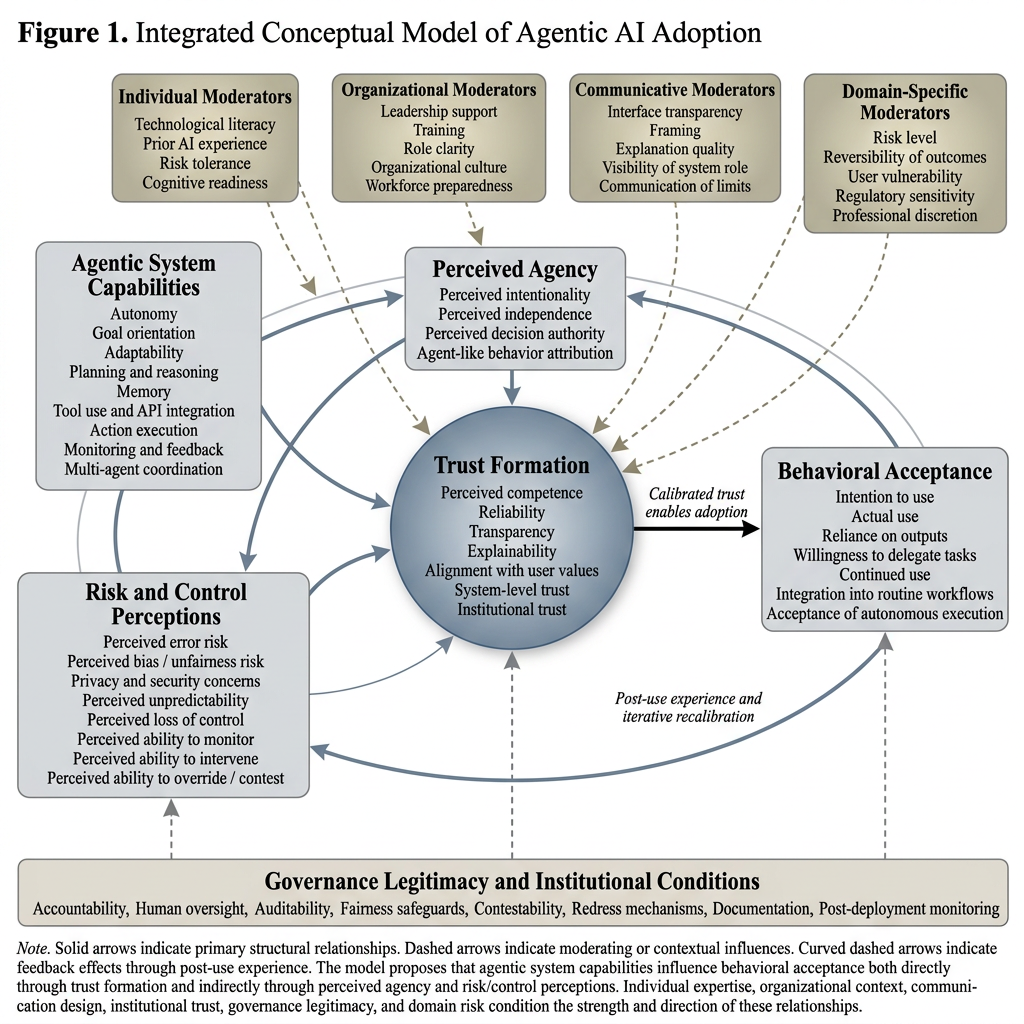
Figure 1. Integrated Conceptual Model of Agentic AI Adoption
To make these relationships analytically explicit, the following theoretical propositions can be derived from the model:
Proposition 1. Higher levels of agentic system capability are likely to increase perceived agency, particularly when users observe autonomous planning, tool use, adaptive behavior, or independent task execution.
Proposition 2. Perceived agency has a dual effect on adoption: it may increase trust when interpreted as competence and responsiveness, but it may increase perceived risk when interpreted as unpredictability, opacity, or loss of human control.
Proposition 3. Perceived control moderates the relationship between perceived agency and trust, such that users are more likely to trust agentic systems when they can monitor, intervene in, override, or contest autonomous decisions.
Proposition 4. Trust mediates the relationship between system capabilities and behavioral acceptance, but this mediation depends on whether trust is calibrated to actual system competence, transparency, and domain suitability.
Proposition 5. Domain risk moderates the relationship between trust and behavioral acceptance, such that high-risk domains require stronger institutional safeguards, explainability, and human oversight before users accept autonomous operation.
Proposition 6. Institutional trust strengthens behavioral acceptance by assuring users that agentic systems are subject to accountability, auditability, redress mechanisms, and responsible governance.
Proposition 7. Accurate communication and interface framing support calibrated trust by aligning user expectations with the system’s actual level of autonomy, authority, and limitation.
These propositions do not function as empirical findings in this chapter. Rather, they translate the conceptual model into a research agenda that can guide future empirical studies. They also clarify the practical implications of the model by identifying where designers, organizations, and policymakers can intervene to support responsible agentic AI adoption.
4. Case-Based Analysis of Agentic AI Systems
The practical significance of agentic AI systems is particularly evident when their technical and social aspects are examined in domain-specific scenarios. Although conceptual discussions are essential for establishing a theoretical foundation, case-based analysis enables a more comprehensive comprehension of the operational behavior of autonomous, adaptive, and goal-oriented AI systems in actual socio-technical environments.
In domains such as energy systems, healthcare, enterprise management, and consumer engagement, agentic AI technologies are transitioning from narrow automation to more autonomous forms of decision support and action. However, this transition also introduces new obstacles in the areas of transparency, accountability, impartiality, oversight, and trust. The following cases demonstrate the integration of agentic AI systems into a diverse array of environments and the influence of human perception and technical functionality on their adoption. This section illustrates the operation of the conceptual model in specific application domains within various socio-technical environments. In terms of autonomy, perceived agency, risk, user control, trust creation, and governance requirements, each domain offers a distinct perspective. The examples of agentic AI that are relatively visible and interaction-heavy are customer interaction systems. The interaction between autonomy, fairness, and infrastructure governance is exemplified by smart energy systems. Healthcare is characterized by the exercise of professional discernment, accountability, and safety in high-risk situations. Multi-agent systems in enterprises illustrate the transformation of internal governance, responsibility structures, and organizational workflows through the use of agentic AI. These cases also demonstrate that it is impossible to establish a unified acceptability logic for the assessment of agentic AI adoption. Depending on the reversibility of outcomes, user vulnerability, institutional trust, and availability of mechanisms for human intervention, the same technical capacity may be embraced in one domain and rejected in another. Consequently, case-based analysis functions as an analytical bridge between the conceptual model and practical implementation settings. Table 2 summarizes the four application domains that are the subject of this section and illustrates the distinct configurations of autonomy, trust, risk, and governance requirements that are represented in each case.
Table 2. Comparative Case-Based Analysis of Agentic AI Systems
| Application domain | Agentic function | Main source of value | Main acceptance condition | Key risk or concern | Required governance mechanism |
| Customer interaction systems | Interpreting user intent, sustaining dialogue, retrieving information, personalizing responses, executing service tasks, and escalating issues. | Responsiveness, service continuity, personalization, convenience, and reduced user effort. | Users must understand the system’s capabilities, limitations, non-human status, and escalation options. | Misleading anthropomorphism, inaccurate information, privacy concerns, unclear decision boundaries, and weak human escalation. | Disclosure of AI status, privacy-sensitive memory design, clear authority boundaries, and accessible human support. |
| Smart energy and autonomous decision systems | Forecasting demand, optimizing consumption, coordinating devices, supporting dynamic pricing, and managing demand-response actions. | Grid efficiency, sustainability, load balancing, cost optimization, and flexible energy use. | Users must perceive autonomous decisions as fair, understandable, controllable, and aligned with household needs. | Opaque pricing, affordability concerns, socioeconomic vulnerability, reduced user control, and distributive unfairness. | Transparent pricing explanations, user override options, vulnerability-sensitive safeguards, procedural fairness, and contestation mechanisms. |
| Healthcare and clinical decision agents | Supporting diagnosis, triage, care coordination, patient monitoring, follow-up scheduling, and clinical risk identification. | Diagnostic support, administrative efficiency, continuity of care, and timely intervention. | Clinicians and patients must perceive the system as safe, explainable, accountable, and supportive of professional judgment. | Diagnostic error, opacity, patient safety risks, weakened professional responsibility, and loss of patient trust. | Human-in-the-loop or strongly supervised human-on-the-loop models, clinical auditability, explainability, and clearly defined decision authority. |
| Enterprise multi-agent systems | Coordinating workflows, retrieving documents, synthesizing information, supporting compliance, scheduling, procurement, and managerial recommendations. | Workflow efficiency, scalability, knowledge retrieval, coordination, and reduced routine cognitive burden. | Employees and managers must perceive systems as role-supportive, auditable, explainable, and aligned with organizational routines. | Error propagation, interoperability problems, opaque workflows, employee resistance, surveillance concerns, and responsibility diffusion. | Role-based access control, workflow logs, audit trails, escalation procedures, training, accountability assignment, and governance of orchestration layers. |
4.1. Agentic Customer Interaction Systems
Customer interaction systems are one of the most prominent and rapidly developing application domains of agentic AI. Chatbots that were primarily rule-based and responded to pre-defined queries with scripted logic and restricted decision trees were the primary form of early digital customer service. These systems were effective in specific contexts; however, they frequently malfunctioned when user input did not adhere to the anticipated patterns. Their operational efficiency and user satisfaction were significantly limited by their inability to adapt to changing user requirements, maintain continuity in context, or manage ambiguity [75]. In contrast, contemporary agentic customer interaction systems are increasingly utilizing LLMs, memory components, tool integration, and sophisticated decision-making mechanisms to facilitate their ability to function as more autonomous service agents. These systems demonstrate how agentic capabilities, particularly natural language comprehension, memory, personalization, tool use, and task execution, can enhance perceived agency in direct user-facing contexts in the conceptual model outlined in this chapter. Users may perceive these systems as responsive service actors capable of interpreting requirements, providing recommendations, and taking action, rather than merely as tools for retrieving information. The transition from rule-based chatbots to agentic systems has significant implications for consumer engagement [76]. Today's agentic systems are capable of conducting lengthy conversations, identifying subtle user intent, extracting relevant data from external systems, and independently executing tasks such as scheduling appointments, managing accounts, resolving disputes, and resolving issues. This heightened autonomy results in a more efficient and seamless user experience by improving responsiveness and service continuity [77]. These systems also have the capacity to personalize interactions based on a user's history, preferences, and prior interactions, which can result in more adaptive and contextualized communication. These features can also enhance behavioral acceptance by reducing effort, increasing convenience, and providing a sense of continuity of service. However, personalization and memory also raise concerns regarding data governance, consent, privacy, and the appropriate boundaries of automated profiling. The same features that facilitate interaction can also cause users to feel more apprehensive when the system appears to know, infer, or act on personal information with insufficient transparency. However, the nature of trust is also evolving as customer-facing agents become more autonomous. Autonomous resolution may be preferred by users due to its quickness and convenience. However, users may be apprehensive when systems exhibit human-like behavior or when decision boundaries are unclear. Trust is generally enhanced by agentic systems that operate transparently and consistently [78]. Systems that misrepresent their non-human nature, conceal their limitations, or provide inaccurate information can erode trust. Consequently, the design of agentic customer interaction systems must strike a balance between automation and transparency to ensure that users are cognizant of the system's capabilities and constraints, as well as the scope of its authority. It is imperative to establish mechanisms for escalation to human support when necessary in order to preserve user confidence and gratification [79], [80]. Escalation is a fundamental trust mechanism, rather than a secondary feature, from the perspective of human-agent collaboration. If users are aware that complex, sensitive, or contested issues can be escalated to a human representative, they are more inclined to embrace autonomous service agents. This is particularly important when the agent is involved in emotionally charged conversations, resolving billing disputes, complaints, cancellations, or eligibility issues. The acceptance of these systems is ultimately determined by their capacity to maintain interactions that are perceived as credible, comprehensible, and socially acceptable, in addition to their task performance. The customer interaction case serves as an illustration of the dual impact of perceived agency. A personalized, highly responsive agent that consistently performs and communicates its limitations plainly may be more effective in fostering trust and engagement. The same agent can elicit aversion or mistrust if it appears deceptive, too human-like, intrusive, or unable to rectify errors. Transparency in the disclosure of non-human status, unambiguous communication of authority boundaries, privacy-sensitive memory design, and readily available human escalation paths are all components of responsible deployment.
4.2. Smart Energy and Autonomous Decision Systems
A significant application area for the investigation of the real-world function of agentic AI is smart energy systems, particularly in the areas of dynamic pricing, demand management, and distributed energy coordination. The increasing adoption of AI systems to support real-time decision-making processes regarding electricity consumption, storage, and load balancing is a result of the digitalization and decentralization of energy infrastructures. In this scenario, agentic AI systems are capable of analyzing grid conditions, forecasting demand, optimizing consumption schedules, and coordinating multiple devices, including smart appliances, energy storage systems, electric vehicles, and distributed renewable energy sources [81]. Therefore, these systems are not solely monitoring instruments; they are decision-making agents that are integrated into the operational dynamics of daily energy consumption. This is particularly important because agentic AI is not merely a matter of user convenience; it is ingrained in critical infrastructure, household routines, pricing systems, and resource distribution. Adoption is contingent upon the perceived fairness, comprehensibility, and compatibility of autonomous decisions with user welfare, as well as the reliability of the technology.
Dynamic pricing is a prominent application in this context, in which agentic systems modify price signals and shape consumption patterns in response to fluctuations in supply and demand. These mechanisms can be employed to enhance the efficacy of grid operation by encouraging users to divert their energy consumption from peak demand periods [82]. Similarly, agentic demand management systems have the ability to autonomously reduce non-essential consumption, manage energy storage, and schedule appliance operation during periods of grid stress. These systems possess significant advantages in terms of cost optimization, sustainability, and operating efficiency from a technical perspective [83], [84]. Smart energy systems conceptually illustrate how agentic capabilities can enhance system-level efficiency and elevate perceptions of risk and control. Autonomous optimization may be well-received by individuals when it can enhance reliability or reduce costs. However, they may object if they believe it is jeopardizing their control over consumption choices, home comfort, or affordability. Nevertheless, the public's perception of impartiality and transparency significantly influences the acceptance of agentic energy systems. If pricing mechanisms are perceived as discriminatory, opaque, or misaligned with household requirements, resistance to autonomous energy management decisions may develop. For example, a system that optimizes demand response but neglects user convenience or socio-economic vulnerability may achieve technical efficiency but raise concerns about social equity. In these contexts, trust is established not only by the competence of the system, but also by the extent to which decisions are perceived as fair, comprehensible, and in accordance with the interests of the user. Therefore, the implementation of agentic AI in smart energy environments will be contingent upon the establishment of governance frameworks that are founded on the principles of procedural fairness and distributive justice, as well as transparent communication. This suggests that technical proficiency alone is inadequate; autonomous systems' successful integration into socio-technical environments necessitates the legitimacy of decision-making structures [85], [86]. This type of meaningful control could encompass user override capabilities, comprehensible explanations of automated adjustments or price changes, warnings prior to high-impact actions, protection of vulnerable households, and contest mechanisms for disputed decisions. Agentic optimization may be perceived as external control rather than intelligent support in the absence of these safeguards. Therefore, the smart energy case demonstrates the significance of domain risk and governance legitimacy in the adoption model. Agentic AI has the potential to enhance grid flexibility, efficiency, and sustainability; however, social acceptability necessitates that users perceive autonomous decisions as transparent, equitable, and responsive to household realities. This case also demonstrates the necessity of agentic AI governance to address context-specific justice concerns, such as affordability, vulnerability, access, and procedural accountability, in addition to generic transparency.
4.3. Healthcare and Clinical Decision Agents
Healthcare represents one of the most sensitive and consequential domains for the application of agentic AI systems. Clinical environments are increasingly incorporating AI-supported diagnostic tools, triage systems, care coordination platforms, and patient monitoring agents. These systems are capable of processing large volumes of medical data, identifying diagnostic patterns, recommending treatment pathways, and facilitating coordination among healthcare providers, patients, and administrative units. In principle, the integration of agentic AI in healthcare has the potential to improve operational efficiency, reduce diagnostic errors, and enhance continuity of care [87]. However, given that healthcare decisions directly impact human well-being, the adoption of agentic AI systems in this domain is subject to particularly stringent expectations regarding trust, accountability, and risk management. Healthcare is, therefore, a high-risk domain in the proposed model. The potential benefits of agentic AI are substantial, but the threshold for acceptable autonomy is much higher because errors may affect diagnosis, treatment, patient safety, professional responsibility, and institutional liability.
The opportunities and challenges associated with agentic healthcare systems are especially evident in the context of AI-supported diagnosis [88], [89]. Autonomous and semi-autonomous diagnostic agents can process imaging data, laboratory results, patient histories, and clinical indicators with high speed and consistency. In care coordination, AI agents may manage follow-up scheduling, monitor treatment adherence, and facilitate communication among multidisciplinary teams. These functionalities can reduce administrative burdens and enable more timely interventions. Nevertheless, the distinction between decision support and decision substitution must remain explicit. In clinical settings, agentic AI may support professional judgment by organizing evidence, flagging risks, identifying possible diagnoses, or coordinating care processes. However, replacing professional judgment with opaque autonomous decision-making would create serious concerns regarding safety, responsibility, and patient trust.
As the autonomy of such systems increases, however, issues of accountability become increasingly salient [90]. In cases where diagnostic recommendations are incorrect or coordination processes fail, responsibility may be difficult to attribute clearly among clinicians, healthcare organizations, system developers, or the AI systems themselves. Consequently, trust in healthcare AI is closely linked to the institutional context in which these systems are deployed. Both patients and healthcare professionals must perceive such systems as not only competent but also transparent, safe, and accountable. A lack of interpretability in AI-generated recommendations may undermine clinical trust, particularly when healthcare professionals are unable to understand or challenge system outputs [91], [92]. Additionally, patients may resist AI-mediated care if they perceive it as lacking essential human qualities, such as judgment, empathy, and personalized understanding. This indicates that healthcare acceptance depends on dual trust: clinicians must trust the system as a reliable professional support tool, while patients must trust that AI involvement does not weaken human care, clinical responsibility, or the possibility of explanation.
Therefore, the implementation of agentic AI in healthcare necessitates human–agent collaboration models in which autonomous systems complement, rather than replace, professional expertise and responsibility. In this context, explainability, auditability, and clearly defined decision authority emerge as critical prerequisites for the effective integration of agentic AI systems into clinical practice. Such requirements ensure that these systems function as accountable components of healthcare delivery, rather than opaque “black-box” mechanisms [93]. Human-in-the-loop or strongly supervised human-on-the-loop models are more appropriate in high-impact clinical contexts, especially when decisions involve diagnosis, treatment prioritization, risk stratification, or patient communication. Autonomous execution may be more acceptable in administrative or logistical tasks, such as appointment coordination or routine reminders, where outcomes are more reversible and clinical risk is lower.
The healthcare case confirms that agentic AI adoption is highly sensitive to the relationship between autonomy and accountability. Technical competence alone cannot justify clinical acceptance. Systems must be explainable to professionals, understandable to patients where relevant, auditable by institutions, and embedded within clear responsibility structures. The practical implication is that healthcare agentic AI requires calibrated autonomy: the system’s degree of independence should vary according to clinical risk, decision reversibility, professional oversight, and patient vulnerability.
4.4. Enterprise Multi-Agent Systems
Multi-agent AI systems are increasingly being implemented in enterprise environments to facilitate organizational decision-making, automate procedures, and enhance coordination among business functions. Enterprise-grade agentic systems, in contrast to standalone automation tools, are typically multi-agent systems that perform specific functions, including document processing, customer analytics, scheduling, procurement support, compliance monitoring, and knowledge retrieval. These agents are capable of communicating with one another, sharing task states, invoking external tools, and collaboratively executing workflows that previously necessitated extensive human coordination [94]. Agentic AI is not restricted to assisting with individual duties; it can also coordinate intricate organizational processes, as evidenced by enterprise multi-agent systems. The organizational form of agentic AI adoption is represented by this domain. However, the genuine inquiry is not whether individual agents are functioning appropriately, but rather whether the organization is capable of overseeing, integrating, auditing, and governing multi-agent workflows across decision chains, databases, and departments. The capacity to manage complexity at a large scale is what these systems provide [95]. By decomposing tasks into specialized sub-processes that are disseminated across coordinated agents, organizations can enhance responsiveness in decision-making, reduce routine cognitive burdens, and accelerate operational workflows. For example, one agent may retrieve pertinent internal documents, another may synthesize and summarize discoveries, a third may confirm compliance with regulations, and a fourth may generate suggestions for managerial review [96], [97]. These architectures enable organizations to integrate modular intelligence with workflow flexibility, thereby enabling the development of operational frameworks that are more adaptable and scalable. The conceptual model posits that enterprise multi-agent systems can enhance the perceived utility and organizational acceptance by enhancing the speed, coordination, and retrieval of knowledge. However, the opacity of the decision-making process is also heightened by the multi-agent nature, as it may result from the interaction of multiple agents rather than a singular identifiable process. Nevertheless, the success of the deployment of enterprise multi-agent systems is contingent upon their integration into organizational routines, governance structures, and human roles, in addition to their technical capabilities. In terms of governance, error propagation, interoperability, and responsibility, these systems present novel challenges. In particular, errors introduced by a single agent can rapidly spread through interconnected operations, particularly when downstream agents depend on upstream outputs [98], [99]. Furthermore, employees may oppose such systems if they are perceived as opaque, disruptive, or a threat to professional autonomy. This implies that human oversight remains a critical component of enterprise deployments. In order to ensure that human actors can effectively monitor the activity of agents and intervene in the event of system failures, organizations must also establish defined escalation paths, monitoring mechanisms, and intervention rights. Employee approval is also contingent upon the manner in which agentic AI is presented as either enhancing professional capabilities or replacing expertise. Resistance may be exacerbated by the implementation of systems as opaque managerial control mechanisms. When introduced with training, role clarity, transparent boundaries, and participatory implementation, they are more likely to be incorporated into organizational routines.
Systems integration is equally critical. The efficacy of enterprise agent systems is contingent upon their integration with existing databases, software infrastructures, security protocols, and organizational policies. Consequently, a successful implementation necessitates technical orchestration and alignment with institutional frameworks [100], [101]. In this context, the adoption of agentic AI should not be regarded as a mere technological upgrading, but rather as a comprehensive socio-technical transformation that involves the redesign of organizational expectations, responsibilities, and workflows. This transformation necessitates the establishment of explicit governance infrastructure, including role-based access control, workflow logging, audit traces, procedures for decision review, data protection protocols, and the assignment of accountability for agent-driven outputs. Enterprise multi-agent systems may enhance efficiency; however, their absence may compromise organizational control over decision-making, decision validation, and implementation. Therefore, the enterprise case indicates that the institutional dimension of agentic AI adoption is a significant factor. The adoption of behavioral norms by employees and managers is also contingent upon organizational trust, leadership communication, training, perceived job impact, confidence in oversight mechanisms, and system performance. The alignment of agentic operations with compliance requirements, professional roles, cybersecurity standards, and internal accountability systems is essential for sustainable adoption at the organizational level. The deployment of agentic AI is influenced by a variety of combinations of autonomy, risk, trust, and governance, as evidenced by all four cases. Transparency, disclosure, and escalation are prioritized in customer interaction systems. Smart energy systems that are user-controlled, affordable, and equitable must be implemented. Safety, explainability, professional responsibility, and patient trust are the fundamental principles of health care. Workflow management, auditability, organizational adaptation, and defined roles are the primary objectives of enterprise multi-agent systems. The chapter's primary argument that agentic AI adoption is not solely determined by technical capability is bolstered by these distinctions. It necessitates a socio-technical analysis that establishes a connection between system performance and perceived agency, trust calibration, domain risk, institutional accountability, and social legitimacy.
5. Ethical, Governance, and Policy Implications
With the rapid proliferation of agentic AI systems in social, organizational, and institutional domains, there is a growing need for robust ethical, governance, and policy frameworks. Agentic AI systems are autonomous, learn adaptively, behave with a purpose, and can act with minimal or delayed human intervention, which sets them apart from traditional software systems. These features offer significant potential for efficiency, innovation, and scale, but they also present challenging normative and regulatory issues [102]. Issues of accountability, transparency, fairness, and legal supervision are essential to the legitimate and sustainable deployment of AI systems as they become more involved in consequential decision-making [103]. Therefore, ethical evaluation should not be perceived as an external addition to technical development, but rather as an inherent aspect of the design, implementation, governance, and social integration of agentic systems. Agentic AI presents particularly acute ethical and governance concerns, as autonomous systems have the potential to not only provide recommendations but also plan, coordinate, implement, and adapt actions in interconnected environments. This implies that ethical risk may manifest at any point during the operation, such as objective specification, data selection, reasoning, tool use, multiagent communication, action execution, monitoring, and post-deployment adaptation. Consequently, governance frameworks must evaluate the entire lifecycle of agentic action, rather than merely the outputs of the model or the sanction to deploy. The primary governance challenge is to prevent the dilution of accountability as a result of autonomy. Organizations may be inclined to employ autonomy as a substitute for human accountability as systems become more capable. A position of this nature would be ethically and institutionally dubious. Responsibility must be traceable to human actors, organizational structures, and regulatory systems, even when autonomous agents are performing operational duties. Governance structures that specify who is responsible for authorizing deployment, monitoring performance, intervening, evaluating injury, and addressing disputes regarding outcomes are essential for responsible agentic AI. The accountability and responsibility of autonomous systems are among the most significant ethical concerns. Responsibility in conventional decision-making environments is typically assigned to identifiable human actors, formal chains of command, or organizational processes [104], [105]. However, the attribution of responsibility becomes increasingly intricate as agentic AI systems become more autonomous in their recommendation, coordination, and execution. This challenge is especially evident in environments where the outputs of the system are influenced by intricate interactions between models, data streams, tool integrations, and multi-agent operations [106], [107]. It may be unclear who is accountable for the detrimental, discriminatory, or erroneous outputs of an autonomous system: developers, deploying organizations, supervising operators, data providers, or the overall governance framework that facilitated deployment. This diffusion of responsibility is one of the causes of the so-called "responsibility gap" [108], [109], [110]. The responsibility divide is further exacerbated by the intricate workflow of agentic systems. A single model prediction may not lead to a negative outcome; however, a sequence of actions, such as memory retrieval, task decomposition, tool selection, inter-agent communication, and automated execution, could. This establishes a chain of action that allows for the distribution of responsibility among numerous technical and organizational actors. This is the reason why accountability mechanisms must be developed in accordance with the agentic workflow, rather than the isolated algorithmic output. The responsibility divide has significant practical implications for institutional trust and governance. In sectors such as finance, healthcare, public administration, and transportation, where AI is employed to make decisions, individuals require transparent redress, contestation, and explanations. The legitimacy of such systems may be jeopardized by the absence of unambiguous accountability [111]. This underscores the essential role of governance structures in ensuring that agentic AI maintains the principle that responsibility ultimately belongs to human and institutional accountability, even when operational autonomy is granted to technological systems [112]. In order to prevent accountability breaches, it is imperative to implement mechanisms such as formal escalation pathways, human oversight, and detailed documentation of system decisions. In this regard, ethical governance necessitates not only technical safeguards, but also well-defined responsibility systems within organizations and regulatory systems [113]. Consequently, explicit accountability assignment should be included in a governance framework for agentic AI prior to deployment. At a minimum, organizations should establish responsibility for the following: system approval, operational monitoring, data governance, model updates, tool access, incident response, user complaints, and post-deployment evaluation. Accountability should be extended to the orchestration layer in multi-agent systems, as abuses can result from the interaction of agents rather than a single agent acting independently. As a result, audit traces, action logs, version histories, and escalation records are essential governance tools. Transparency and explicability are the second significant issue. Frequently, agentic AI systems employ intricate machine learning architectures, particularly large-scale neural models with internal decision processes that are challenging to interpret. This opacity is further exacerbated when such models are integrated into multi-step agentic operations that involve planning, tool use, memory retrieval, and adaptive decision-making [114]. In these circumstances, users may be able to observe the system's outputs, but they may not be able to view the reasoning, assumptions, or uncertainty that lead to them. The "black-box" nature of numerous advanced AI systems raises significant concerns regarding trust, legitimacy, and procedural justice, particularly in cases where decisions impact individuals' rights, opportunities, or well-being [115]. Transparency must be expanded from model explainability to workflow explainability in order to facilitate agentic AI. It is crucial for users, professionals, and auditors to understand not only the reason for a system's output, but also the objective it pursued, the data sources it consulted, the tools it activated, the intermediate steps it followed, the agents that contributed to the outcome, and the point at which human supervision occurred. This broader concept of transparency is necessary because agentic systems produce consequences through strings of actions, rather than individual recommendations. Transparency is frequently suggested as a solution to this issue; however, it is a multifaceted concept. This may encompass the following: transparency regarding the system's capabilities, the interpretability of the model's reasoning, visibility into the sources of training data, communication of uncertainty, and traceability of the decision-making pathways. Similarly, explainability is not a technical feature in isolation; rather, it is a context-dependent requirement that is derived from the requirements of various stakeholders. Developers may require comprehensive diagnostic insights, while end users may require merely accessible explanations of the system outputs [116], [117]. In turn, policymakers and regulators may require documentation that is adequate to assess compliance, safety, and discrimination risks. In agentic AI, transparency and explainability are to be interpreted as governance requirements that are relational and purpose-dependent, rather than as immutable properties of the system. This suggests that the level and format of the explanation must vary based on the stakeholder's function and the risk associated with the decision. End users may require straightforward explanations of the system's purpose, authority, limitations, and appeal options. Professionals may require additional information regarding uncertainty, evidence, and decision-making logic. Workflow logs, model documentation, tool usage logs, and performance monitoring data may be required by internal auditors. Regulators may require evidence that the system has been evaluated, monitored, and governed in accordance with pertinent legal and institutional standards. The pursuit of explainability is imperative, despite these obstacles. Institutions may be unable to rationalize deployment choices, professionals may be unable to evaluate system recommendations, and affected individuals may be unable to challenge decisions in the absence of meaningful explanations. Simultaneously, there are inherent trade-offs in explainability[118]. While highly performant systems may remain partially opaque, highly interpretable systems may sacrifice flexibility or performance. This tension underscores the necessity of governance approaches that transcend mere technical solutions and incorporate procedural transparency mechanisms, including impact assessments, audit frameworks, model documentation (e.g., model cards), and explicit disclosure of system limitations. Even in the absence of complete technical interpretability, such approaches may facilitate accountability [119], [120]. In agentic AI, procedural transparency is particularly critical, as it may not always be feasible to achieve complete technical transparency. Institutions can enhance accountability by recording design decisions, conducting risk assessments, maintaining decision logs, establishing procedures for human review, issuing incident reports, and providing redress mechanisms in cases where internal reasoning is not completely transparent. Consequently, transparency should be regarded as a governance infrastructure rather than a singular explanatory output in this context. The mitigation of partiality and fairness is another critical ethical and policy domain. Agentic AI systems are trained on data, influenced by design choices, and deployed into social environments that may replicate existing structural inequalities. As a result, these systems have the potential to replicate, amplify, or obscure biases. Biases may arise from non-representative data sets, poor labeling practices, historically embedded discrimination, and optimization objectives that prioritize certain outcomes over others. The capacity of autonomous systems to generate and disseminate biased decisions at a large scale across linked processes in agentic settings exacerbates these issues [121]. The concerns regarding impartiality are particularly relevant in agentic systems, as bias can be operationalized through action. A biased recommendation can be detrimental; however, a biased agentic workflow can autonomously prioritize, exclude, price, rank, schedule, allocate, or escalate users in a manner that has material consequences. This is the reason why fairness in agentic AI cannot be reduced to the mere verification of model outputs; rather, it must consider the objectives, rules, data flows, tool integrations, and institutional procedures that influence autonomous action. Fairness in agentic AI must extend beyond the correction of individual outputs. It is imperative that we approach the issue holistically, considering the following: how do we establish the system's objectives, govern trade-offs, prioritize the interests of certain groups, and identify those that may be disproportionately at risk or excluded? For example, systems that are intended to enhance service efficiency may inadvertently disadvantage users with limited access to technological infrastructure, non-standard communication patterns, or lower digital literacy [24], [122]. In the same way, automated prioritization mechanisms in organizations may reinforce existing hierarchies unless fairness considerations are explicitly incorporated into the system design. Therefore, ethical governance should adopt a systemic approach to equity that includes data governance, stakeholder participation, continuous evaluation, and context-sensitive design practices [123]. The equity of agentic AI must also be assessed in relation to domain-specific vulnerability. Fairness concerns may arise regarding access to health care, diagnosis, triage, and treatment prioritization. The area may encompass affordability, household vulnerability, dynamic pricing, and demand-response burdens in energy systems. In enterprise systems, they may be associated with employee monitoring, performance evaluation, promotion, or task assignment. In customer interaction systems, they may encompass automated profiling, escalation access, and differential service quality. These examples suggest that fairness is contextual rather than generic. At various phases of the AI lifecycle, bias mitigation techniques may be implemented. This could entail the removal of proxy variables that are associated with protected attributes, the enhancement of representativeness, and the auditing of data collection procedures at the data level. Fairness-aware training methods, constraint-based optimization, and post-hoc bias detection techniques may be implemented at the model level. Human oversight, appeal mechanisms, and ongoing monitoring are crucial at the deployment level for identifying and rectifying damages that occur in practice [124]. Nevertheless, fairness is not a merely technical issue, as it is inherently characterized by normative and context-dependent factors. Acceptable compromises may vary across domains, and definitions of fairness may be in conflict. In this regard, fairness governance should be regarded as a continuous socio-technical process rather than a one-time technical solution. Consequently, the assessment of this during the pre-deployment phase and the subsequent surveillance of it during the post-deployment phase should be incorporated into the fairness governance of agentic AI. The potential pathways of damage, the affected groups, and foreseeable risks of bias can be identified through a pre-deployment assessment. Post-deployment surveillance is necessary due to the ability of agentic systems to modify their behavior in response to users, data streams, tools, and institutional environments. Even if the initial testing appears to be satisfactory, bias can still develop after deployment. Consequently, continuous monitoring is necessary for responsible operation. The development of regulatory and governance frameworks is directly influenced by these ethical considerations [42]. Voluntary self-regulation alone is insufficient in numerous scenarios as agentic AI systems become increasingly autonomous and societally influential. Industry standards, ethical norms, and internal rules of governance are crucial; however, they frequently lack democratic legitimacy, consistency, and enforceability. Therefore, formal regulatory regimes are required to establish minimum standards for safety, accountability, fairness, and transparency. Acknowledging that not all agentic systems are equally hazardous, such frameworks should adopt a risk-based approach. Systems in low-risk environments may be subject to less stringent oversight, whereas those in high-stakes domains should be subject to more stringent requirements, such as enhanced documentation, human oversight, auditability, and post-deployment monitoring [125]. Agentic AI is particularly well-suited to a risk-based approach, as autonomy is not a risk factor. The domain of use, reversibility of outcomes, vulnerability of affected individuals, degree of human governance, system access to external tools, and possibility of cascading effects are also factors that contribute to Risk. Strong safeguards may be necessary for a low-autonomy system in a high-stakes domain, whereas a high-autonomy system in a low-risk, reversible domain may necessitate lighter governing, contingent upon the domain. Consequently, governance should be amended in accordance with the combined level of controllability, impact, and autonomy. Additionally, governance frameworks must be adaptable. Given the continuous evolution of agentic AI systems through updates, retraining, and environmental feedback, static regulatory models may not be adequately designed. Ex ante and ex post mechanisms should be combined to ensure effective governance. Impact assessments, certification procedures, documentation standards, and design requirements are among the ex ante measures that are implemented prior to deployment. Audits, incident reporting, liability mechanisms, and ongoing performance evaluations may comprise ex post measures. Regulators and institutions can mitigate both predictable and evolving risks by employing this combined strategy. As models are updated, tools are added, user interactions accumulate, and organizational protocols change, agentic systems can exhibit varying behaviors over time. Consequently, adaptive governance is necessary. Consequently, governance mechanisms should encompass periodic reassessment of risk, model and workflow versioning, incident learning, and change management procedures. A system that was satisfactory at the time of deployment may become problematic if the context of use, level of autonomy, data environment, or tool access changes. Furthermore, governance should be multi-level and incorporate a variety of actors. The issue of agentic AI governance is no longer solely a state concern [123], [126]. Developers, deploying organizations, professional bodies, civil society actors, and affected communities all have significant responsibilities. Ethical review processes, internal compliance systems, and operational responsibilities that are explicitly defined should comprise organizational governance. In turn, public governance should establish legal standards, oversight bodies, and accountability mechanisms. Additionally, international coordination may be necessary, particularly when agentic AI systems are integrated into global digital infrastructures or span jurisdictions, which raises concerns regarding platform governance, multinational deployments, and cross-border data flows [127], [128]. As distinct actors govern distinct components of the agentic AI lifecycle, multi-actor governance is also essential. The architecture, training data, and tool-use capabilities of the model could be customized by developers. The contexts of use, human oversight, escalation pathways, and accountability structures are determined by the deploying organizations. Professionals and users alike employ the system. Their findings are practical failures. Minimum standards and procedures for enforcement are established by regulators. The impacts on communities are challenging to ascertain solely based on technical performance metrics. The implication is that responsible governance necessitates coordination among these actors, rather than isolated compliance by a single party. The primary policy challenge is to achieve the appropriate equilibrium between protection and innovation. An excessive amount of regulation can impede experimentation and restrict beneficial applications, while an insufficient amount can expose individuals and societies to severe damage. Consequently, policy approaches should not be designed to impede the advancement of agentic AI; rather, they should be designed to direct its development in a manner that is socially beneficial, ethically sound, and institutionally accountable. This perspective is consistent with an anticipatory governance approach, which involves policymakers being cognizant of both current and emerging challenges associated with autonomous and interconnected systems. Foresight analysis, interdisciplinary collaboration, regulatory sandboxes, and public consultation are all effective tools for establishing more legitimate and responsive policy frameworks [129], [130]. The policy implication is that agentic AI governance is a combination of protective and facilitating functions. It should be obligated to encourage responsible innovation, while simultaneously establishing clear boundaries between untenable opacity, unfettered autonomy, discriminatory outcomes, inadequate accountability, and a lack of human redress. The scope of such governance should not be restricted to abstract ethical principles; rather, it should translate these principles into operational requirements, including documentation, auditability, human oversight, user notification, impact assessment, contestation procedures, and post-deployment supervision. The requirements outlined in Table 3 can be used to operationalize the governance implications that have been discussed in this section.
Table 3. Ethical and Governance Requirements for Agentic AI Systems
| Ethical or governance issue | Agentic AI-specific risk | Governance requirement | Practical mechanism |
| Accountability | Responsibility may become diffused across developers, deploying organizations, users, data providers, and multi-agent workflows. | Responsibility must remain traceable to human and institutional actors. | Defined responsibility holders, approval procedures, escalation records, incident response protocols, and accountability assignment. |
| Transparency | Opacity may concern model reasoning, task decomposition, tool use, memory retrieval, inter-agent communication, and action sequencing. | Transparency must cover the full agentic workflow, not only final outputs. | Workflow logs, model documentation, tool-use records, uncertainty communication, and plain-language user explanations. |
| Explainability | Users and professionals may be unable to understand why an agent acted, what data it used, or which alternatives it considered. | Explanations must be stakeholder-sensitive and risk-sensitive. | User-level explanations, professional explanations, audit-level documentation, and regulator-facing compliance records. |
| Fairness | Bias may be translated into autonomous prioritization, exclusion, pricing, ranking, scheduling, or resource allocation. | Fairness must be evaluated contextually and continuously. | Bias audits, vulnerability assessment, stakeholder participation, fairness monitoring, and post-deployment surveillance. |
| Human oversight | Human involvement may become symbolic if users lack time, information, authority, or competence to intervene. | Oversight must be meaningful rather than nominal. | Human-in-the-loop for high-risk decisions, intervention thresholds, override rights, and supervisor training. |
| Contestability and redress | Affected individuals may be unable to challenge harmful, inaccurate, or unfair autonomous decisions. | Systems must allow explanation, correction, appeal, and review. | Appeal mechanisms, complaint channels, human review, correction procedures, and documented redress pathways. |
| Adaptive governance | Agent behavior may change after deployment as models, tools, data, or contexts evolve. | Governance must continue after deployment. | Review cycles, version control, performance drift monitoring, incident learning, and periodic reassessment. |
| Risk calibration | Autonomy level alone does not determine risk; risk depends on domain, reversibility, vulnerability, and tool access. | Governance must be proportionate to autonomy, impact, and controllability. | Risk classification, impact assessment, documentation standards, and stronger safeguards for high-impact domains. |
The ethical and governance implications of agentic AI can be succinctly encapsulated by six requirements: accountability must remain human and institutional; transparency must encompass workflows rather than solely outputs; fairness must be judged contextually and continuously; human oversight must be substantive rather than symbolic; affected individuals must have access to mechanisms for explanation, contestation, and redress; and governance must be adaptable to system evolution following deployment. The ethical analysis of this section is connected to the broader argument of the chapter by these requirements: agentic AI systems can only become socially acceptable when technical autonomy is matched by procedural legitimacy and institutional responsibility.
6. Future Directions: Toward Trustworthy and Governable Autonomous Socio-Technical Ecosystems
The gradual development of independent socio-technical ecosystems, rather than the isolated refinement of individual AI tools, should be the perspective of the future evolution of agentic AI. Agents' influence will extend beyond individual tasks to organizational protocols, professional roles, governance structures, and social norms as they begin to plan, coordinate, communicate, and act across multiple systems. Therefore, the primary inquiry for future research and practice is how to reconcile the increasing autonomy of agentic systems with calibrated trust, human agency, institutional accountability, and social legitimacy. The future should not be depicted as a deterministic march toward complete autonomy. A more responsible approach is calibrated autonomy, which involves the selective and context-sensitive delegation of tasks to autonomous systems under conditions of transparency, human supervision, fairness, auditability, and accountability. Autonomous socio-technical ecosystems will only be sustainable if they maintain meaningful human agency, protect vulnerable groups, and maintain institutional responsibility as technical capabilities increase.
6.1. AI-First Organizational Transformation
The future trajectory of agentic AI is expected to result in the emergence of an increasing number of autonomous socio-technical ecosystems, in which organizations are structured around AI-centric coordination, decision-making, and operational management. In this context, AI-first organizational transformation encompasses more than the mere integration of AI tools into extant workflows. This necessitates the reorganization of value creation mechanisms, structures of responsibility, managerial logics, and institutional processes. Agentic AI systems are becoming more deeply integrated into strategic and operational architectures, rather than being viewed as supplementary technologies. This change is expected to alter the distribution of authority between human actors and autonomous systems, alter the flow of information among organizational units, and reshape task design. Organizational judgment should not be substituted with autonomous systems in an AI-first transformation. It may be more plausible to contend that organizations will increasingly reengineer operations around hybrid forms of human-agent coordination. Agents may be responsible for monitoring, knowledge retrieval, routine task coordination, scenario generation, and decision preparation support in such arrangements, while human actors retain responsibility for interpretation, ethical judgment, strategic prioritization, and accountability-bearing decisions. Thus, the future of organizational transformation will be contingent upon the capacity to specify the appropriate levels of human supervision, safeguards, and autonomy for specific tasks. Organizational adaptability and competitive advantage are significantly affected by this transformation. In addition to conventional managerial and operational capabilities, agentic AI systems can offer continuous monitoring, predictive coordination, and dynamic workflow optimization. This could result in organizations becoming more attuned to the growing complexity of operations, market volatility, and environmental uncertainty. However, in order to realize these advantages, it is necessary to implement modifications to governance structures, digital infrastructures, workforce capabilities, and institutional cultures. AI-first organizations will be required to develop novel methods of accountability, reengineer internal control mechanisms, and guarantee that their increased technological autonomy does not compromise their ethical responsibilities. This presents numerous opportunities for future research on organizations. In particular, research should investigate the ways in which agentic AI affects decision authority in organizations, with a particular emphasis on employee trust, professional discretion, accountability, and managerial control. Additionally, research should investigate the manner in which employees perceive agentic systems, whether as surveillance apparatus, productivity tools, supportive infrastructure, or hazards to professional autonomy. Organizational research should examine the influence of internal governance mechanisms (e.g., audit trails, escalation pathways, access controls, model oversight committees, post-deployment monitoring) on trust and acceptance. It is also necessary to conduct comparative research across sectors, as the implications of agentic AI will not be consistent across all organizations. The health sector, energy, public administration, finance, education, and enterprise services will require distinct combinations of autonomy, supervision, institutional responsibility, and social legitimacy. The practical implications are evident: organizations should not adopt agentic AI as a straightforward technical enhancement. Governance structures, personnel capabilities, communication strategies, and accountability mechanisms must be established prior to assigning autonomous agents significant tasks. A sustainable AI-first transformation cannot be achieved through technical integration alone. It must be complemented by a mechanism to contest or rectify system-driven outcomes, human-centered design, employee training, and risk assessment, as well as clarity of roles.
6.2. Evolving Human Roles in Agentic Environments
Human roles within socio-technical systems are expected to endure significant transformation as agentic systems assume increasingly active roles in planning, coordination, and execution. This evolution is not inherently defined by the displacement of human labor, but rather by its redefinition. Human actors are anticipated to transition from direct task execution to supervisory, interpretive, and governance-oriented functions in agentic environments. These responsibilities encompass the following: ensuring that system behavior is in accordance with organizational or societal objectives, managing exceptions, evaluating system outputs, communicating with affected stakeholders, and monitoring autonomous decision-making processes. This transformation necessitates a more precise comprehension of human agency. Human actors should not be reduced to passive administrators who approve or reject machine outputs. Human roles may encompass objective specification, value-sensitive interpretation, contextual judgment, anomaly recognition, ethical review, stakeholder communication, and institutional accountability in mature human–agent systems. These positions necessitate that humans comprehend both the capabilities and constraints of autonomous systems, which is why they are cognitively taxing. Consequently, the future of human work in agentic environments will be contingent upon the ability of institutions to maintain meaningful human agency rather than merely maintaining nominal human oversight. Simultaneously, the evolution of human roles poses critical inquiries regarding professional identity, expertise, and competence. New forms of AI literacy, as well as skills related to critical supervision and socio-technical coordination, will be necessary for workers and decision-makers. It will become increasingly crucial to comprehend the constraints of autonomous systems, recognize potential errors, assess uncertainty, and intervene effectively when required, across various sectors. In domains that necessitate ethical deliberation, contextual sensitivity, and interpersonal interaction, it is probable that certain professional functions will become more relational and judgment-oriented. As a result, the future of human work in agentic environments should be conceived as a renegotiation of the boundaries between human agency and automation. AI literacy will require a progression beyond a fundamental understanding of AI tools. Professionals will need to possess agentic AI literacy in order to operate in agentic contexts. This includes the capacity to comprehend autonomy levels, tool-use capacities, memory functions, failure modes, uncertainty signals, escalation procedures, accountability pathways, and redress mechanisms. Supervisors, managers, clinicians, educators, public administrators, compliance officers, and other professionals who may be anticipated to rely on or supervise autonomous systems are particularly reliant on this form of literacy. In the absence of such literacy, human oversight is at risk of becoming symbolic, as users may not possess the necessary knowledge to query, interrupt, or correct agentic workflows. Deskilling and reskilling dynamics should also be investigated in future research. Human workers may forfeit opportunities to cultivate practical judgment through direct task experience if agents continue to perform routine analysis, monitoring, scheduling, summarization, or decision preparation. Simultaneously, new skills, such as ethical reasoning, communication with affected stakeholders, human–agent coordination, and critical evaluation of AI outputs, may become more valuable. The degree to which agentic AI erodes or enhances professional capacity will be contingent upon the organization's design, training systems, and the degree to which humans are still actively engaged in consequential decisions.
Responsibility is also affected by the changing role of humans. It may be uncertain whether a human has ratified an automated recommendation or exercised genuine judgment when an agent generates an output and a human formally authorizes it. High-stakes domains are particularly susceptible to this issue. Consequently, it is imperative that future governance frameworks differentiate between procedural approval and meaningful human oversight. Evaluation and challenge of agentic decisions necessitate adequate time, information, authority, competence, and institutional support to ensure meaningful oversight.
6.3. Long-Term Societal Implications and Future Research Agenda
In the long term, the proliferation of agentic AI systems could lead to the development of highly interconnected socio-technical ecosystems in which autonomous systems influence daily routines, public services, social structures, and organizational procedures. These advancements have significant societal implications, particularly in terms of the distribution of power, democratic accountability, institutional trust, and inequality. Agentic systems can perpetuate inequalities in access, representation, and control over decision-making processes when they are used unfairly or inadequately regulated. In contrast, these systems can improve coordination, reduce administrative burdens, enhance the quality of services, and increase joint problem-solving capacity across sectors when they are well designed and governed.
The societal consequences of agentic AI will be determined by the distribution and supervision of autonomy. Asymmetries between institutions and individuals may be entrenched if agentic systems are consolidated in potent organizations without adequate transparency, contestability, or public accountability. Users may be subject to automated decisions that are challenging to comprehend, challenge, or opt out of. This risk is especially pertinent in sectors such as public services, employment, finance, health, education, energy, insurance, and platform-based work, where automated prioritization or resource allocation can significantly impact life chances. Thus, the long-term societal impact of agentic AI is contingent upon the normative paradigms and governance institutions that accompany its diffusion. The preservation of human agency, the retention of decision-making authority, the distribution of risk, and the distribution of autonomy are all critical issues. Consequently, the emergence of autonomous socio-technical ecosystems is a technological, organizational, and political transformation. In order to confront these obstacles, an interdisciplinary strategy that integrates technical innovation with a dedication to democratic supervision, accountability, human well-being, and fairness is required. Institutional trust is an additional long-term concern. Agentic AI systems can enhance trust by enhancing the quality of service, reducing the administrative burden, making decisions more consistently, and providing transparent explanations. Nevertheless, they have the potential to erode trust by generating opaque errors, discriminatory results, inaccessible appeal mechanisms, or the impression that institutions are concealing themselves behind automated systems. Institutional legitimacy will be contingent upon the capacity of organizations to elucidate, justify, monitor, and rectify agentic decisions in a manner that is perceived as fair and accountable by the individuals who are impacted. The distribution of burdens and benefits will also be a focus. Agentic AI may result in enhanced efficiency and personalization for certain segments, but it may also result in increased surveillance, exclusion, or automated disadvantage for others. Agentic systems may not be equally beneficial or may pose a greater risk for individuals with varying levels of digital literacy, linguistic proficiency, disability, income, geographic location, and institutional power. This implies that future policy and research should concentrate on differentiated social consequences rather than solely on aggregated adoption rates or technical performance. Democratic accountability should also be incorporated into the analysis of society in the long term. Decisions that were previously made in identifiable bureaucratic or political ways may become partially automated as autonomous systems continue to support or direct public administration, regulatory enforcement, welfare distribution, urban management, and public communication. This does not render such systems illegitimate; however, it necessitates mechanisms for institutional accountability, appeal, procedural transparency, and public scrutiny. Autonomous decision support in public or quasi-public spheres must adhere to democratic norms and rights-based governance. Future research should encompass longitudinal studies of the adoption of agentic AI, comparative analysis across institutional contexts, empirical examination of trust calibration, evaluation of governance mechanisms, and investigation of inequalities produced or mitigated by autonomous systems. Although conceptual work remains necessary, the subsequent phase of scholarship should concentrate on the practical operation of agentic AI systems, the adaptation of users and professionals to them, the management of errors, and the response of institutions to disputed results. Future research should also evaluate the propositions formulated in the integrated conceptual model. Empirical studies can examine whether perceived agency increases trust or risk perception in a variety of domains, whether perceived control moderates the impact of autonomy on acceptance, whether institutional trust increases the willingness to rely on agentic systems, and whether governance mechanisms such as auditability, redress, and human oversight enhance social acceptance. This type of research would facilitate the transition from conceptual synthesis to evidence-based governance and implementation strategies. In this regard, the future of agentic AI should strive for autonomous systems that are both trustworthy and governable. In terms of efficiency, personalization, coordination, quality of service, and decision support, agentic systems can offer substantial advantages. These advantages will be fragile if autonomous systems are perceived as opaque, unjust, uncontrollable, or institutionally unaccountable. Consequently, the long-term legitimacy of agentic AI will be contingent upon the collaborative advancement of technical capability, calibrated trust, meaningful human supervision, adaptive governance, and social accountability.
7. Conclusion
The interrelated lenses of trust, social acceptance, and governance have been employed to investigate agentic AI systems in this chapter. The primary contention of this chapter is that the implementation of agentic AI cannot be interpreted solely in terms of technical capability. In specific socio-technical contexts, autonomous systems may demonstrate complex reasoning, planning, memory, tool use, coordination, and adaptive behavior; however, these capabilities only acquire social significance through interpretation, trust, challenge, supervision, and governance. The chapter therefore viewed agentic AI as a transformation in the relationship between humans and technology, as well as in the legitimacy of institutions and the responsibility of organizations. Initially, the analysis demonstrated that the social acceptability of agentic AI is context-dependent, dynamic, and conditional. Users respond to system efficacy in addition to other factors. They also respond to perceived agency and anthropomorphism, transparency, perceived control, risk perception, fairness, institutional credibility, and the availability of human intervention mechanisms. Agentic systems have the potential to enhance efficiency, personalization, responsiveness, and coordination. However, they can also induce anxiety, mistrust, resistance, or selective acceptance if they are perceived as opaque, intrusive, uncontrollable, unjust, or not sufficiently accountable. This outcome is especially pertinent in light of the widespread perception that agentic AI systems are active participants in decision-making, rather than passive computational instruments. Trust was the primary mediating condition in this process. The chapter contended that the calibration of trust in agentic AI is more advantageous than the maximization of trust. Automation bias, overreliance, and unwarranted delegation of human judgment can be the consequence of excessive reliance. The utilization of systems that could enhance the quality of services, decision support, and coordination within organizations may be impeded by a lack of trust. Calibrated trust is a result of the discrepancy between the user's perception of the system and the system's actual capability. Transparency, explainability, institutional safeguards, domain suitability, and the ability to challenge or correct autonomous decisions are also factors that contribute to its effectiveness. In this regard, trust is both cognitive and institutional: consumers must be able to comprehend the system and have faith in the organizations and governance arrangements that underpin it. The integrated conceptual model presented in the chapter provides a comprehensive explanation of the adoption process. The model posits that the capabilities of agentic systems influence perceived agency, which in turn influences perceptions of trust and risk-control. It also suggests that risk and control perceptions influence the development of trust, and that trust serves as a mediator between system evaluation and behavioral acceptability. Additionally, domain-specific moderators, including regulatory sensitivity, institutional trust, user vulnerability, decision authority, reversibility of outcomes, and risk level, are influenced. This model elucidates the process by which the same agentic capability can be embraced in one domain and rejected in another. It also demonstrates the necessity of taking into account both the technical design and the institutional context when it comes to responsible adoption. This argument was substantiated by the case-based analysis, which demonstrated the diversity of agentic AI adoption in practical environments. The values of disclosure, non-human status, privacy-sensitive memory design, and accessible escalation to human support were emphasized by customer interaction systems. The significance of evaluating autonomous optimization for fairness, affordability, user control, and procedural justice was demonstrated by smart energy systems. The healthcare and clinical decision agents identified that high-stakes domains necessitate explicit responsibility structures, professional oversight, clinical auditability, and stronger explainability. Enterprise multi-agent systems have demonstrated that organizational adoption is influenced by the following: transparency of workflow, role clarity, training, audit trails, cybersecurity, and accountability for agent-driven outputs. Technical effectiveness was a prerequisite in each of these instances; however, it was insufficient. The acceptance of autonomy was contingent upon its intelligibility, limitation, contestability, reversibility, and institutional accountability. The ethical and governance analysis also demonstrated the necessity of governance frameworks for agentic AI that can encompass the entire lifecycle of autonomous action. Agentic systems are susceptible to ethical risk at any point in the process, including goal specification, data selection, reasoning, memory retrieval, tool use, inter-agent communication, action execution, monitoring, and post-deployment adaptation. This is precisely the reason why accountability cannot be restricted to model outputs. It is imperative to integrate protocols, organizations, developers, supervisors, tool integrations, and institutional processes. Transparency should also transition from model explainability to workflow explainability, enabling users, professionals, auditors, and regulators to comprehend the system's objectives, the data and tools it employed, the agents who contributed to the outcome, and the locations where human oversight occurred. The chapter also contended that operational governance requirements should be prioritized over abstract ethical principles in order to ensure fairness, contestability, and redress. Agentic AI systems may render bias into autonomous decisions regarding prioritization, exclusion, ranking, scheduling, pricing, allocation, or escalation. Consequently, it is imperative to evaluate fairness in the context of the situation and on an ongoing basis. In high-risk sectors such as finance, energy, health care, public administration, employment, education, and social services, individuals who are affected by the use of algorithms should have access to explanations, appeals, corrections, and human review. Additionally, it necessitates substantial human supervision. It necessitates an adequate amount of time, information, competence, authority, and institutional support to disrupt or interrupt agentic workflows. The future of agentic AI will be contingent upon the capacity to establish autonomous socio-technical ecosystems that are both trustworthy and governable. Organizations will increasingly restructure workflows to accommodate agents that monitor processes, retrieve knowledge, coordinate routine tasks, generate scenarios, and assist in decision-making efforts. This has the potential to enhance the quality of service and increase flexibility; however, it can also redefine professional identities, redistribute power, and establish new forms of dependence on automated systems. Agentic AI literacy, role clarity, workforce adaptation, governance redesign, and mechanisms to rectify system-driven outcomes are all necessary for sustainable implementation. It should continue to be the responsibility of humans to contextualize, ethically interpret, strategically prioritize, and account for decisions. The chapter is subject to certain constraints. It is conceptual and analytical in nature and does not offer empirical data, experimental validation, or sector-specific field evidence. Therefore, the model that has been suggested should be considered a theoretical framework for future empirical research. The chapter also provides a concise overview of a few application domains and does not purport to be an exhaustive examination of all sectors in which agentic AI can be implemented. Additional research is necessary to investigate the postulated relationships in a variety of institutional, cultural, regulatory, and professional contexts. It would be particularly beneficial to conduct longitudinal studies to investigate the ways in which trust is established, eroded, or reestablished following repeated interactions with agentic systems. Future research should investigate the influence of perceived agency on trust and risk perception in various domains, the moderating role of perceived control on acceptance, the influence of institutional trust on the willingness to rely on autonomous systems, and the impact of governance mechanisms such as auditability, human oversight, appeal procedures, and redress pathways on social legitimacy. Additionally, comparative studies are required in low-risk and high-risk contexts. Healthcare, energy, finance, public administration, education, customer service, and enterprise management all employ distinct configurations of accountability, vulnerability, reversibility, and autonomy. Consequently, empirical research should transition from the examination of general attitudes toward AI to the assessment of agentic systems in particular decision-making environments.
The chapter's primary conclusion is that calibrated autonomy should be employed to develop and deploy agentic AI. Provide autonomy in which tasks are well-defined, risks are within reasonable limits, outcomes are reversible, and monitoring mechanisms are dependable. It must be restricted in situations where there is a high degree of uncertainty, vulnerability, ethical sensitivity, or institutional consequence. The co-design of trustworthy interaction, meaningful human supervision, organizational accountability, adaptive governance, and social legitimacy is essential for responsible agentic AI. Use may be facilitated by technical proficiency, but legitimacy is not guaranteed. The autonomy of agentic AI systems will be sustainable only if it is fair, accountable, contestable, explainable, and consistent with human and institutional values.
ACKNOWLEDGEMENT
The authors have no acknowledgments to declare.
FUNDING
This research received no specific grant from any funding agency in the public, commercial, or not-for-profit sectors.
AUTHORS’ CONTRIBUTIONS
All authors contributed to the conceptualization, literature synthesis, manuscript drafting, critical revision, and final approval of the chapter.
CONFLICT OF INTEREST
The authors declare no conflict of interest.
DATA AVAILABILITY
No empirical dataset was generated or analyzed in this chapter.
ETHICAL STATEMENT
This chapter does not involve human participants, personal data, animal subjects, or experimental procedures requiring ethics committee approval.
DECLARATION OF AI USAGE
AI-based tools were used only for language refinement. The authors reviewed, verified, and approved the final content.